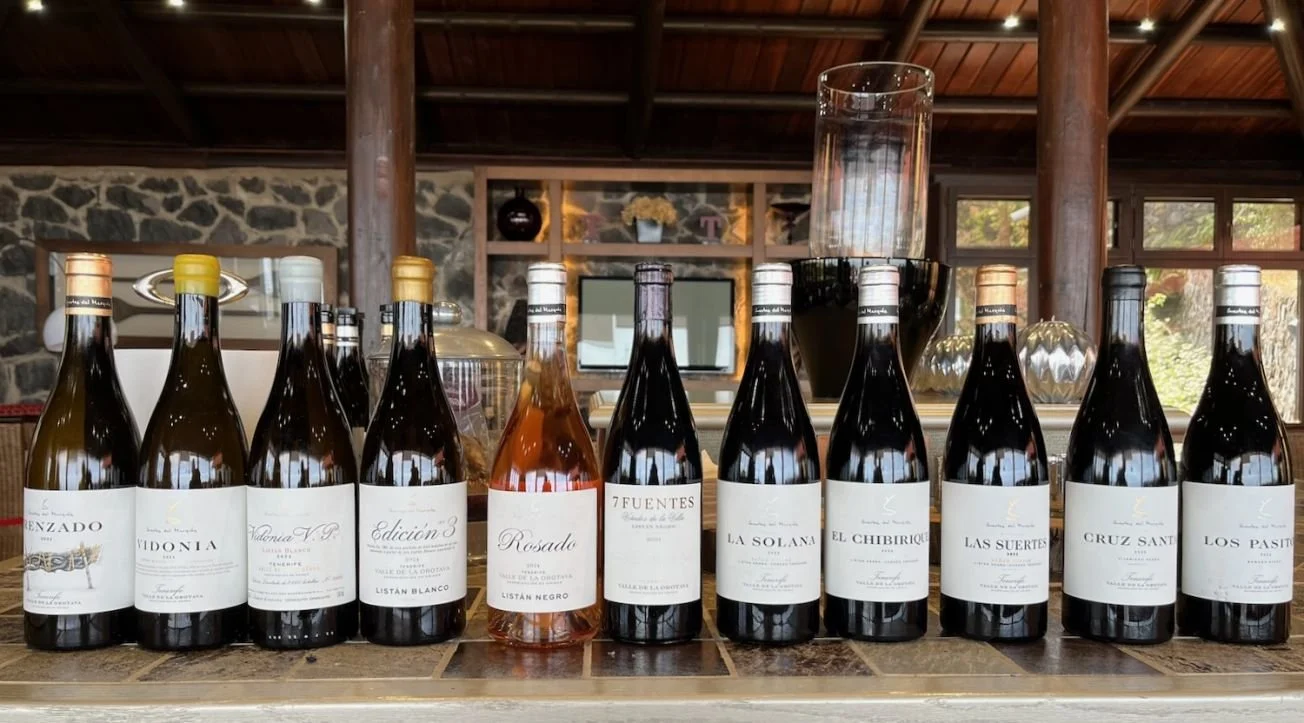
JancisRobinson.com: “Smells volcanic-smoky and refreshingly and attractively sour-fruited rather than sweet-fruited. The smoky notes of reduction, an indirect effect of the volcanic soils, which stress the vines, are less marked in this vintage, explained Jonatan Garcia Lima, because there were no heatwaves. No struck-match here. In the mouth this is captivating. As well as the smoky impression there’s an intensity of green fruits and grapefruit. Dry and lightly chalky. Super crisp and yet gently rounded on the finish. Tight but not lean, smoky but not so much as to obscure the lovely pithy fruit. Distinctive and distinguished. It may well age longer than this but I haven’t tasted examples with a lot of bottle age – and why wait when it’s delicious now. Drink now-2029.” 17 points and ‘Wine of the Week’
buy online here
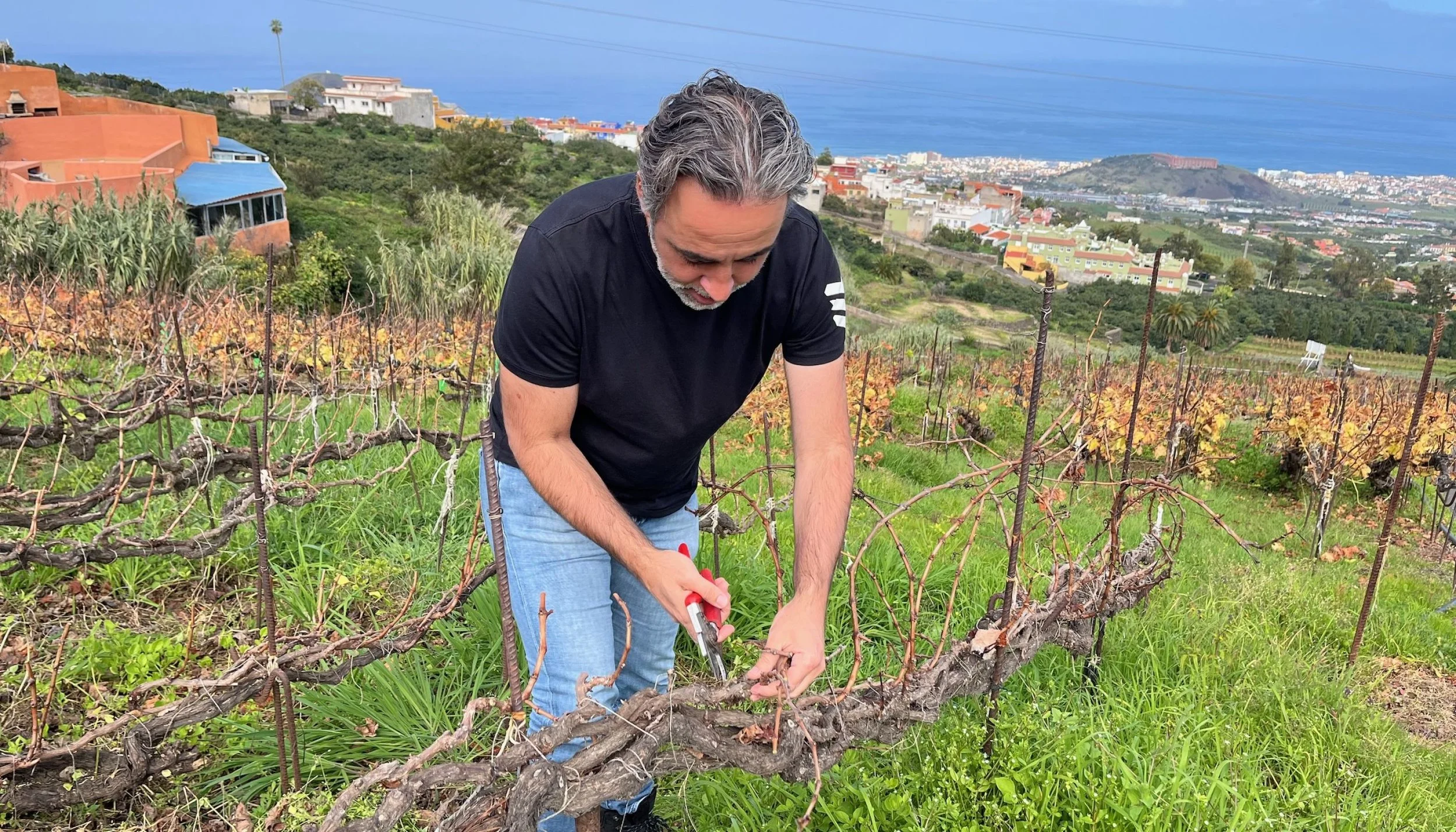
A piercingly fresh and smoky white from the unique braided vines of the rugged north coast of Tenerife. Above, Jonatan García Lima pruning a braided Listán Negro vine in his La Solana vineyard just below the winery.
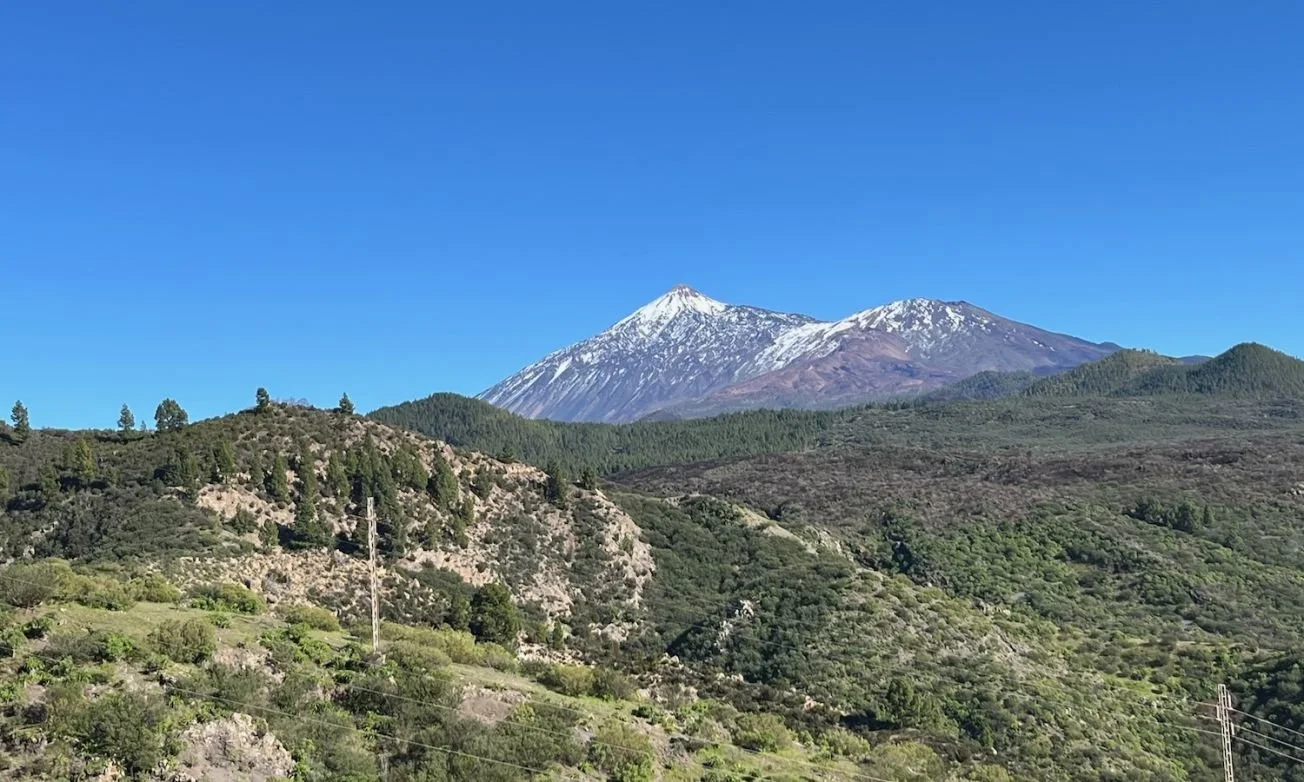
The Spanish island of Tenerife in the north Atlantic, the biggest of the Canary Islands, is dominated by the photogenic Mount Teide, or Pico del Teide, an active volcano rising to 3,715 m (12,188 ft), making it the highest point in Spain.
The island’s northern coastline is rugged and often difficult to access, the hairpin roads teetering above the sea, all so very different from the busy beaches of the south. In late January when my wife Dee and I were in Garachica on the north coast for a week’s holiday, the sea was raging and several parts of the coastal road were closed.
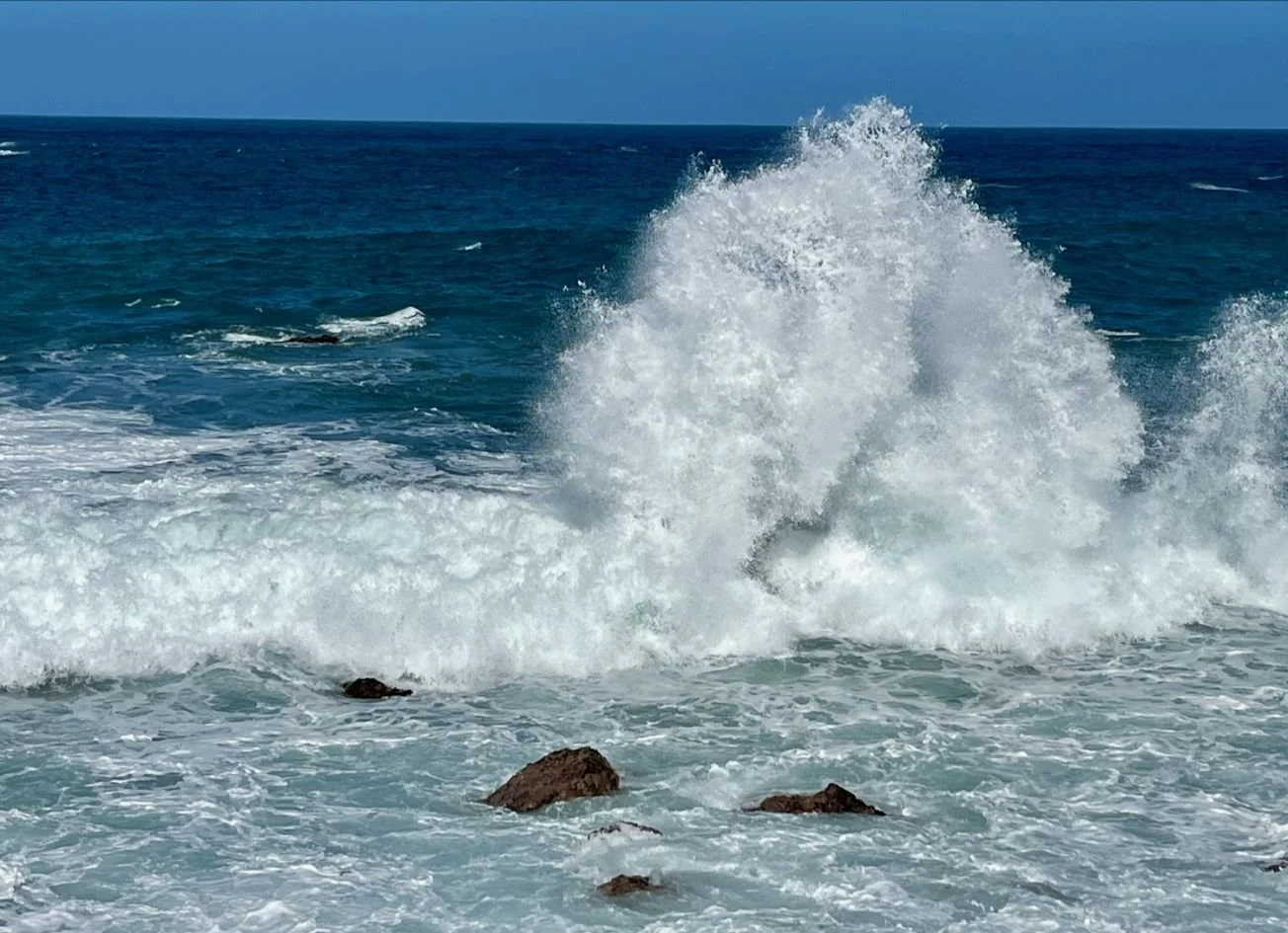
I was disappointed not be able to swim in the sea but the wet winter has been great for the vines, apparently.
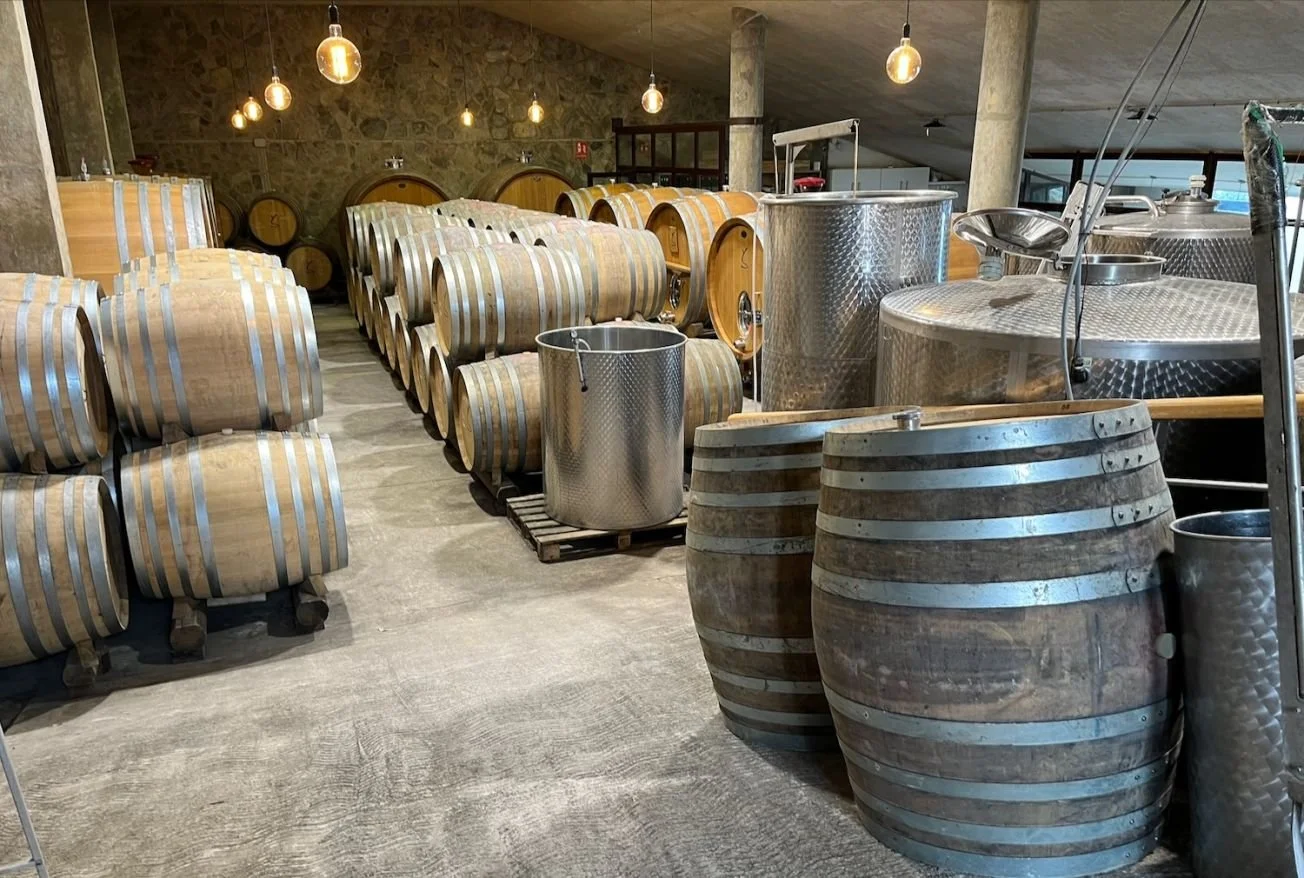
I had special dispensation from Dee to visit one winery during the holiday and it was an easy choice to head east along the coast towards the town of La Orotava. It’s here on the basalt foothills of Mount Teide in the Orotava Valley, bordered by two escarpments and sloping down to the sea (see the photo at the top and the map below), that Jonatan García Lima and his father Francisco, both with backgrounds in business administration, have 12 ha (30 acres) of vines at elevations of 350–750 m (c 1,150–2,460 ft). The vines are predominantly Listán Blanco (known as Palomino Fino in Jerez) and Listán Negro, plus other local indigenous varieties such as Vijariego Negro, Baboso Negro, Castellana Negra, Malvasía Rosada and Torrontés Volcánico. Banana plantations dominate the flatter land closer to the sea.
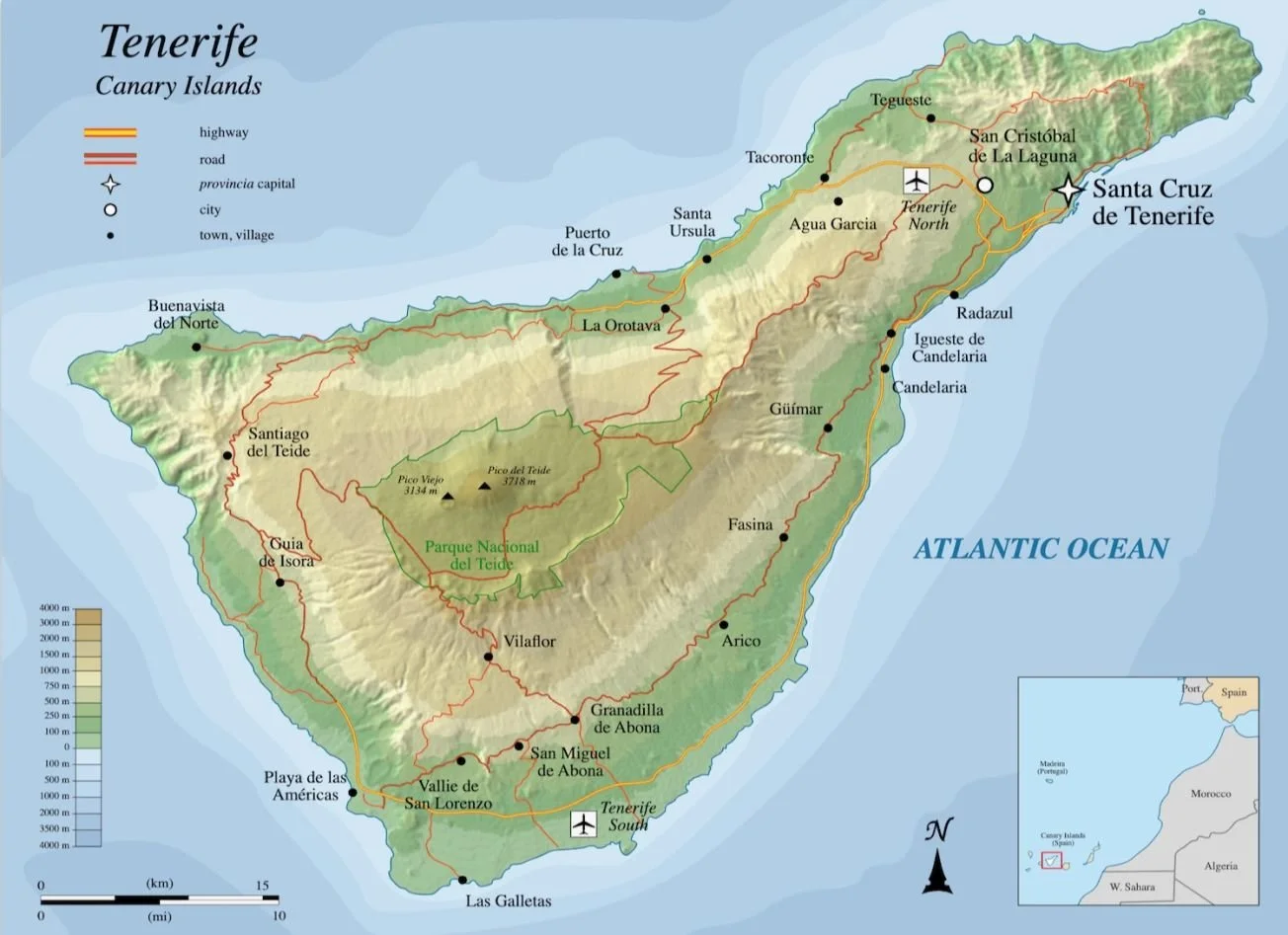
Credit: Oona Räisänen (Mysid) via Wikimedia Commons
Jancis first wrote about father and son in 2014 in The Canaries – where vines, and wines, creep up on you, explaining how it took them a quarter of a century to put together an estate of 9 ha of vines, comprising many small parcels, known as suertes. Francisco bought the first vineyards in 1986 purely to make wine for personal consumption, adding to them in the 1990s. Until 2006 they sold grapes to local producers but in that year they decided to make and bottle their own wines. For the first decade, winemaking direction came from Roberto Santana of Envinate, then in 2016–17 from consultant Luís Seabra from the Douro, before Jonatan took full control of winemaking in 2018.

Jonatan García Lima and the view from the Suertes del Marqués winery east towards the Santa Ursula escarpment
Today they own 12 ha (30 acres) of ungrafted vines and also buy some fruit from other local growers in the valley. They farm organically but have chosen not to apply for certification. Rootstocks have never been needed on the island but since the discovery last year in abandoned vineyards in the Tacoronte subregion in the north-east of isolated instances of phylloxera, there is a growing awareness of the need for precautionary measures, though the introduction of rootstocks might be the end of one of the unique features of the region’s viticulture.
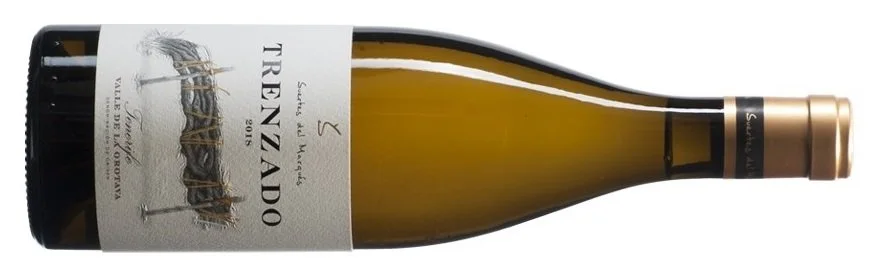
The name Trenzado is explained by the image on the label and the photograph below: cordón trenzado means ‘braided cordon’. This is the traditional training system in the valley. Jonatan told me that it was once thought that this method was not the best for quality but he is convinced otherwise, as long as the vines are pruned appropriately and yields are controlled, and he is now carrying out the laborious process of converting some of their trellised vines to cordón trenzado.
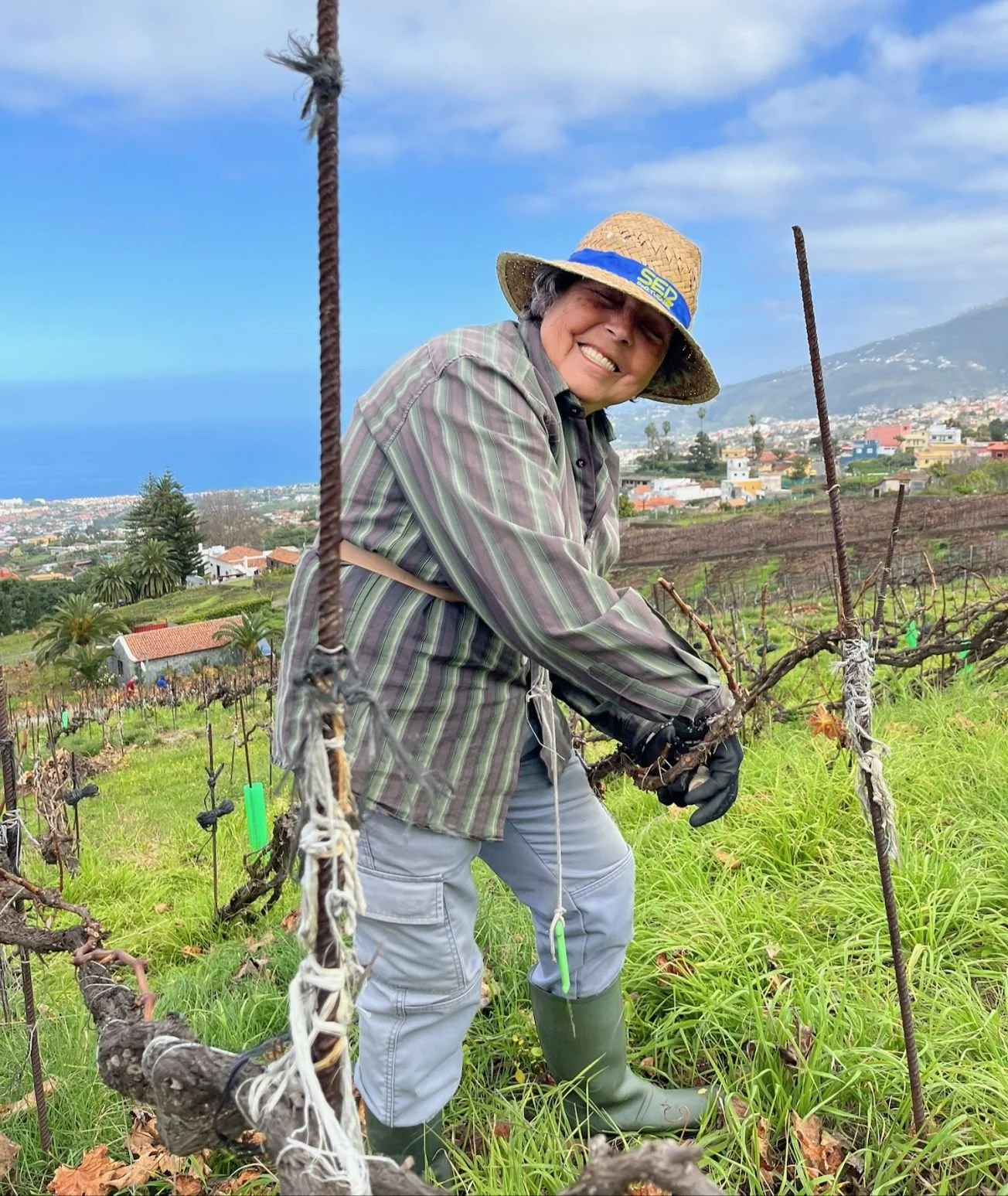
Experienced vineyard worker Nena tying a braided cordon with string and then attaching it to the stakes for further support and to keep them off the ground
This bone-dry, intensely fresh white wine, with a light smoky/stony impression and razor-sharp grapefruit and green-fruited flavours, is made exclusively from Listán Blanco from vineyards aged 60–150 years in the west of the valley. Thanks to the cloud cover and cooler temperatures of northern Tenerife, here the variety typically has much higher acidity than where it is grown for sherry in Spain’s hot, dry Andalucía. The location and winemaking combined add a deliciously dry, chalky texture to Trenzado.
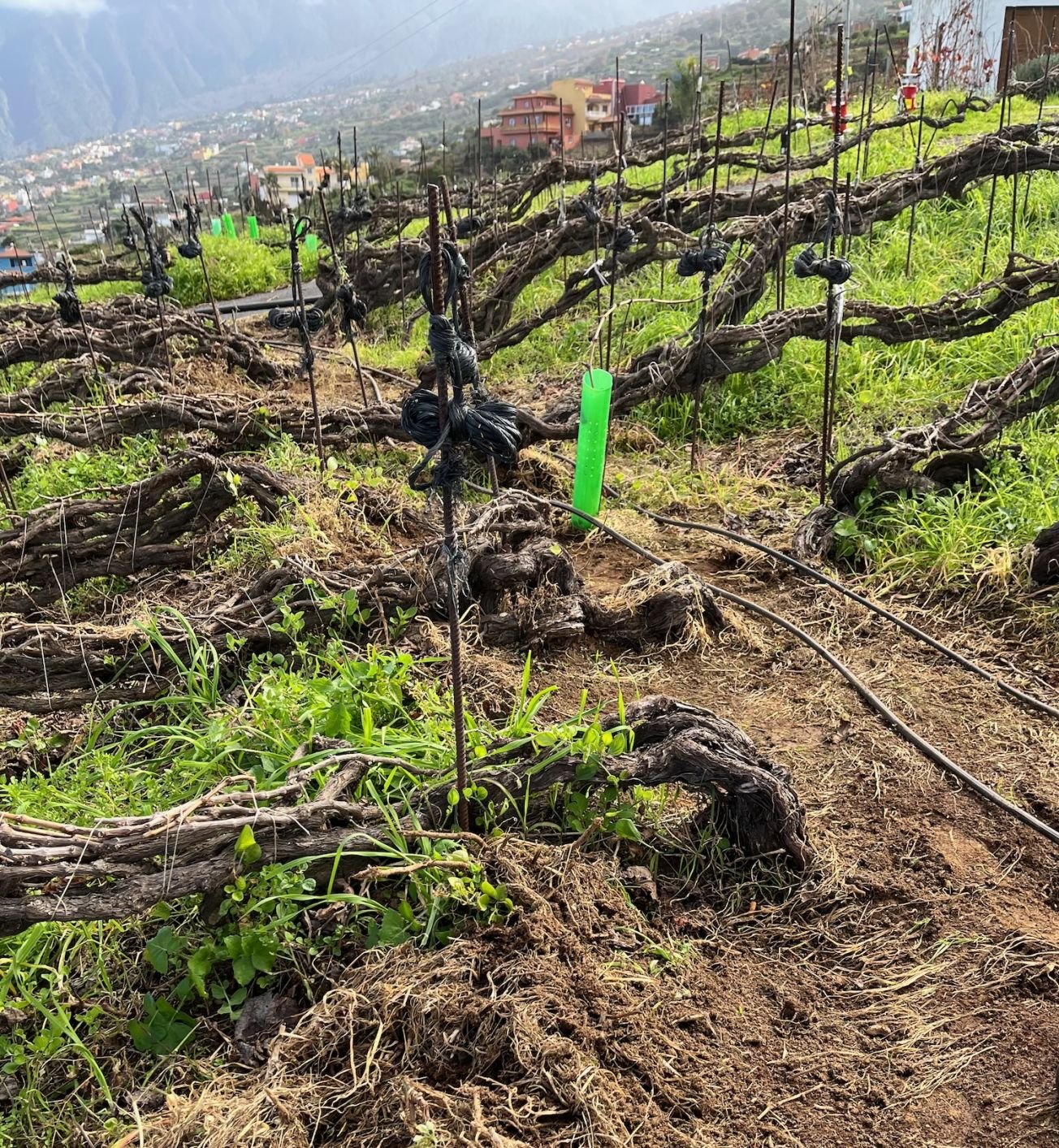
The braided cordons go in two directions from the same roots, up and down the slope