
I’m looking for…
Paolo Bea 'Rosso di Veo', Umbria, Italy, 2017
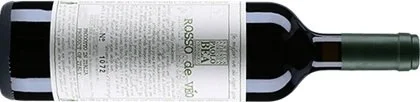
Paolo Bea 'Rosso di Veo', Umbria, Italy, 2017
“Among the absolute top wines being made in Italy today.” - Vinous
“Watching Giampiero Bea prepare and pour each bottle felt like being in a church rather than a winery, as each wine was handled like an icon or relic in preparation.” - Eric Guido
I’m glad I didn’t know this was a cult wine when I tried it, because it tends to annoy my tastebuds. I like to decide for myself whether a wine is worthy of worship, not to be told by some hipster that I should genuflect before it. So, in blissful ignorance of this wine’s reputation, I took a sip and my pupils dilated, my pulse quickened and I couldn’t wait to tell everyone within earshot that they should bow down in reverence before it.
It’s such a glorious mouthful of richly-upholstered Sagrantino, packed with riotously delicious black fruits and exotic spices and not remotely difficult to understand or hard to love (unlike a lot of cult wines!). Winemaking is strictly non-interventionist, with fermentation initiated by wild yeasts and it undergoes a long skin maceration (41 days) and extended lees aging (136 days). 13% alc. Drink now-2034,
Press review:
Vinous: “The 2017 Rosso de Veo is impossibly fresh, with a wild aromatic mix of spiced citrus, roses, cloves, hints of cocoa and, finally, medicinal black cherries. It’s silky-smooth and juicy to the core, with an abundance of energy and vibrant ripe red fruits that wash across the palate with ease. The 2017 finishes only lightly structured and lively, as the mouth waters under an air of red inner florals, and an underpinning of chalky minerals slowly fades. This may be a more immediate expression of Rosso de Veo, but it’s one that I hope to be able to try over and over again. It pays to mention that the 2017 clocks in at just 13% abv, an amazing feat for Sagrantino. Drink now-2031.” 92 points
The Wine Advocate: “Fruit comes from the younger vineyards. It opens to an inky dark appearance and shows rich aromas of blackberry confit and dried plum (thanks to 41 days of skin maceration) and 136 days of aging on the lees. The tannins are well managed, and the wine carries its full-bodied style with grace. Drink now-2035.” 92 points