
Light.Zippy.Refreshing
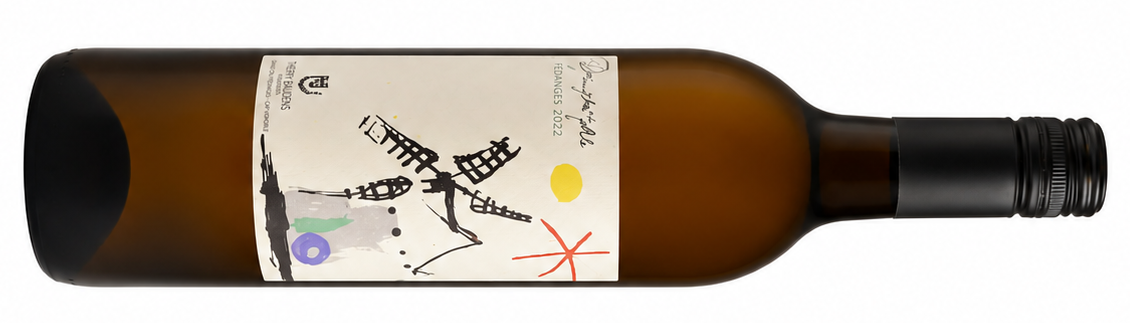
This wine has no interest in being profound. It would much rather find a sunny table, order a plate of olives and get on with having a lovely afternoon. Packed with ripe orchard fruits, zingy citrus and a splash of floral freshness fluttering about in the background, it has all the hallmarks of a great easy-drinking Spanish white. Crisp, juicy and really refreshing, it manages to be both thirst-quenching and characterful, a combination that's harder to pull off than you might think. Bright, breezy and immensely drinkable, this is exactly the sort of white wine Spain does so well: uncomplicated in the best possible way, delivering maximum pleasure with minimum fuss. Serve it well chilled and watch it disappear. Organic (certified). 12% alc. Drink now – 2028.
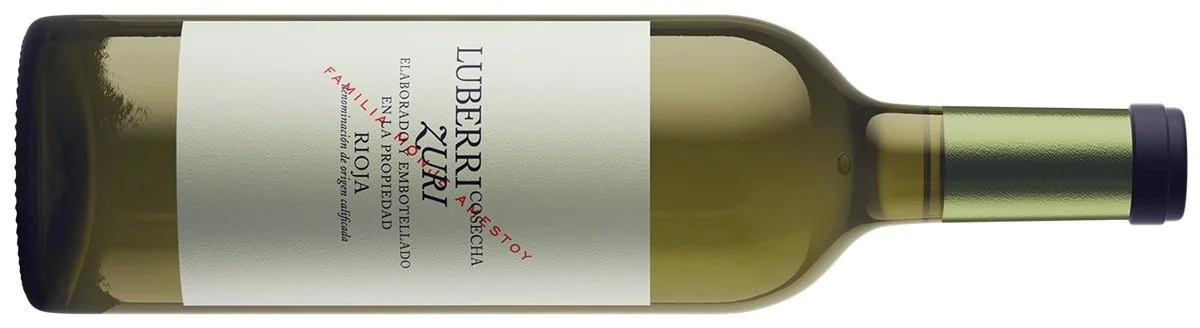
Zuri, which means ‘white’ in the Basque language, is a fresh, light, unoaked Rioja Blanco from traditional Rioja grapes, Viura (80%) and Malvasia (20%). It’s crisp, but substantive, delicately grapey, yet dry and steely. Fun fact for art fans: we proudly served this wine at the opening of the Gilbert and George retrospective at the Hayward Gallery. 12.5% alc. Drink now-2028

A very decent white, which I hope damns it with just enough faint praise to keep expectations low, but high enough for you to give it a try. It’s a star-fruit-scented blend of 50% Macabeo, 25% Roussanne and 25% Grenache Blanc with white currant, citrus and honeysuckle flavours and needs to be served cold as its sole purpose is refreshment, not introspective scrutiny. We have plenty of other wines that will leave you breathless with wonder, but this isn’t one of them. Drink it with poulet et frites and an episode of ‘Call My Agent’. 13% alc. Drink now-2028.
Organic (certified), sustainable
Vegan
Press review:
Neal Martin (previous vintage) “A blend of 50% Macabeo, 25% Roussanne and 25% Grenache Blanc grown on schist soils and whole-bunch-pressed. It features wonderful citrus fruit mixed with chamomile and pressed white flowers on the nose, and the palate is beautifully balanced, quite phenolic in style, with a slight waxy texture. Wild peach and nectarine linger on the well-defined finish. Given that this was a measly 30 quid on the restaurant list, it is absolutely outstanding value.” 92 points
“Domaine Boucabeille is run by Jean Boucabeille, who has planted 23 ha (57 acres) of native forest around his 12-ha vineyard, built ponds and installed over 100 beehives. He doesn’t plough, to avoid damaging the microbial life in the soil, and doesn’t use machinery in the vineyard, in order to avoid soil compaction. The estate has been certified organic since 2008. Boucabeille also planted 650 cork oaks in 2016, with a view to producing their own corks, and in 2018 they installed a water-treatment plant so that wastewater from the winery can be used to irrigate the cork oaks and wash machinery. Winemaking is low intervention, with spontaneous fermentations. Boucabeille also plays the accordion. This might be considered irrelevant but for the fact that musical intelligence often goes hand in hand with a different way of thinking about and connecting things, of finding rhythms and resonance. Einstein was an accomplished violinist who used to solve some of his most difficult problems by playing the violin in the wee hours of the night. Boucabeille’s wines are four-dimensional and have heartbeat as well as incredible length, breathing the garrigue of their terroir through every sip.” - Tamlyn Currin for JancisRobinson.com
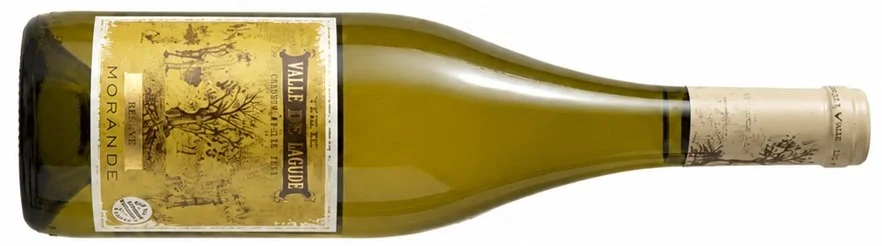
“Shows both the character of the variety and the value South America can offer.” - Decanter, 95 points
“Great value.” - Tim Atkin MW
Until the 1970s, Semillon was one of the most widely planted grape varieties in Chile, but popularity for Chardonnay and Sauvignon Blanc started to sweep the world and Semillon was forced to take a back seat for many years until Chile’s winemakers started going back to their roots (quite literally) and Semillon’s revival began, spreading also to Argentina (e.g. Riccitelli) and South Africa (e.g. Alheit, Boekenhoutskloof).
This example, from head-pruned, century-old vines is fresh and very expressive of the variety, yet textured and satisfyingly concentrated, with grapefruit, lemongrass, tangy lime, gooseberry and mint framed within Semillon’s slightly waxy texture that holds the flavours together. You can drink it now, but don’t be afraid to squirrel a few bottles away, as it has the capacity to age beautifully for another 10 years. Plenty of interest, therefore, for just £15.95! 13% alc. Drink now-2035.
Decanter: “This old-vine Semillon shows both the character of the variety and the value South America can offer. Beautifully intense nose, grassy character and lots of citrus zest, grapefruit, red apple skins and white flowers. Great complexity and freshness. Delicious. Drink now-2035.“ 95 points
Tim Atkin MW: “From 80-year-old vines in Maule, around a quarter is fermented on skins lending a waxy and gently herbal style. This Semillón offers a pleasing combination of subtle mid-palate weight and zesty acidity. Great value. Drink now-2029“ 90 points
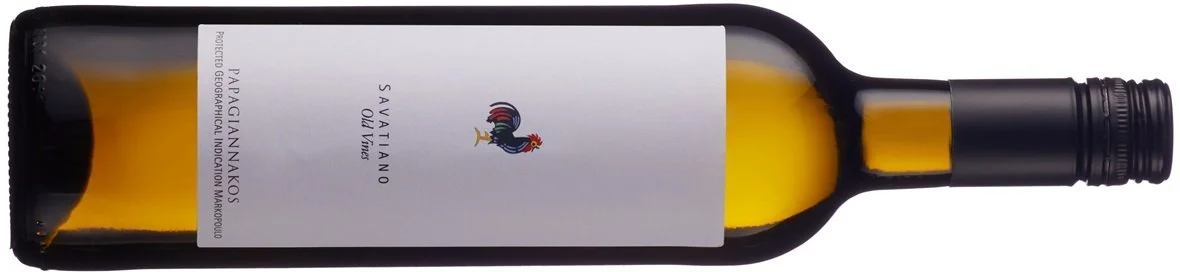
“A vivacious glass of Greek excellence.” - Decanter Magazine
A dainty and delicate Greek white sourced from 50 year-old Savatiano vines, which was made to be enjoyed in the sunshine, by the sea, with a plate of calamari. Subtle aromas of peach and lime blossom lead to a dry, zippy, refreshing palate of grapefruit, nectarine and kumquat. With Greek whites, we are always on our guard against overtly soapy or flowery aromas, as they wear thin after a few sips, but we waved this wine through without hesitation. 12.5% alc. Drink now-2028.
Press reviews:
Decanter: “Lemony gold in colour, the nose is exotic without being over the top, pineapple meets Golden Delicious apple with a flourish of fennel and anise-like spice. Generously textured with plenty of melon fruit and nectarine-stone bite with a lavish edge of pineapple to the finish, this is a plush yet vivacious glass of Greek excellence.” 93 points
JancisRobinson.com: “Fragrant with wild scrubland and citrus. Some green fruits. Gently chewy, deliciously fresh. A long, clean-cut, mouth-watering finish and attractively chalky texture.” 16.5 points
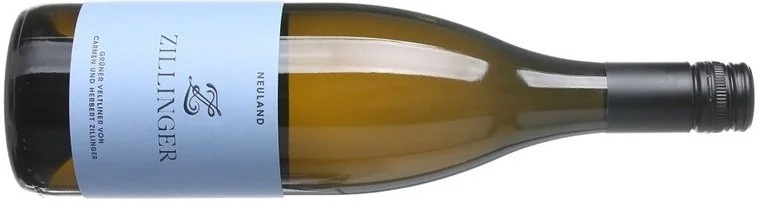
We’ll be honest, when Gruner Veltliner first started turning heads, we barely noticed. “It’s like a meadow in a glass!” they said. “Pair it with anything, it’s flawless!” they swore. And there we were, shrugging, feeling like the only ones at the party who didn’t recognize the hit song everyone was dancing to.
Tasting the Zillinger Neuland Grüner Veltliner 2024 gave us a glimpse into the hype. It’s a wine of great clarity and purity—like crystal-clear alpine water running over broken slate. Aromas of sweet lime, white peach, and a hint of delicate wildflowers and white pepper invite you in, while the palate is steely-dry, zippy and sleek. A whisper of chalky minerality lingers, reminiscent of a fine Chablis, making each sip refreshing and precise.
There’s a graceful versatility here: it pairs seamlessly with food yet is compelling on its own. Bright, polished, and utterly drinkable, it’s a delicious reminder of why people fell for Gruner Veltliner in the first place. Honestly, this is one bandwagon worth joining. 12% alc. Drink now - 2028. Organic and biodynamic farming.
Press Reviews:
Jancis Robinson MW: “Full of life! But also expressing very pure, varied, 'wild-flower' aromas. Clean as a whistle. Dense and surprisingly rich and layered for a wine this young and this relatively inexpensive. Brilliant flavours. Long and vibrant. So ready and accessible! VGV (in Austria anyway!) (JR)” 17 points
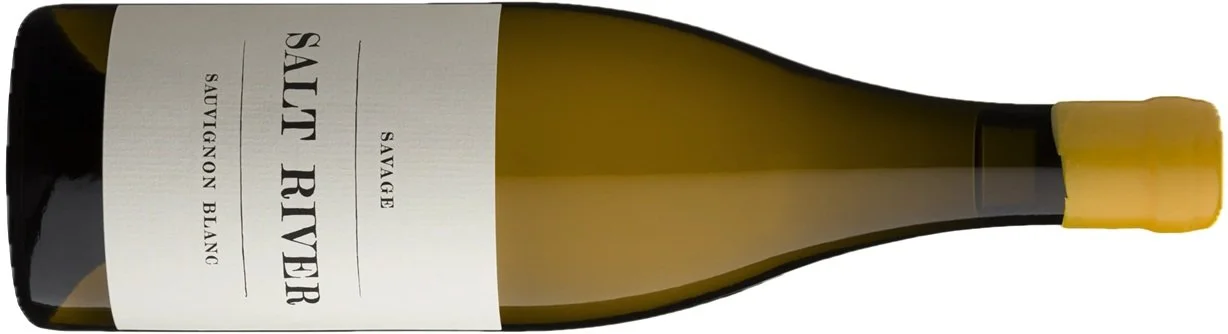
“This is very classy and one of his best Salt River Sauvignons to date.” - Greg Sherwood MW, 93+ points
Duncan Savage’s ‘Salt River’ takes a serious look at Sauvignon Blanc, seen through the lens of the South Atlantic Ocean. It’s not a ‘varietal’ wine in the sense that it doesn’t turn up the dial on Sauvignon Blanc’s trademark aromas, as you might expect to find in a Marlborough expression, but pares them right down, so that the wine is taut, pithy and dry.
Sancerre doesn’t mention Sauvignon Blanc on the front label and there’s an argument for this wine doing the same, because it communicates a lot more about the terroir than the grape variety, displaying a distinct saline quality, a bit of rubble dust, as well as grapefruit peel, preserved lemon and marine breeze. A serious alternative to Sancerre or Pouilly-Fuissé. 13.5% alc. Drink now-2030.
Press review:
Greg Sherwood MW: “2025 is a delicious expression with rich layers of white citrus, yellow grapefruit and Cape gooseberry with back grown aromatic hints of cut grass and Granitic mineral spice. Intense, concentrated and beautifully harmonious. This is very classy and one of his best Salt River Sauvignons to date. Drink now to 2032+.” 93+ points
JancisRobinson.com: “Restrained but precise aromas of grapefruit and starfruit, with elderflower floral notes and a subtle nettle leafiness. A real stony undertow, too. Engaging balance of the variety’s vigorous freshness and a slightly chewy texture. Chalky, green-fruited and saline on the finish, with a white-pepper kick. Drink now-2030.” 16.5+ points
Customer comments:
“It’s delicious!!” - Mr M.P.
“It’s better than anything I have tasted from the Loire in recent years.” - Mr A.W.
“It’s delicious. Can I have another 6 bottles, please?” - Mr K.D.

A mountain wine, breezy and fresh, billowing with meadow flowers, gooseberry and blackcurrant aromas, so, in that respect, reminiscent of Sauvignon Blanc, but there’s a little twist of nutmeg that takes it off in an interesting oriental direction too. Dry, vibrant and delicately refreshing. From vineyards situated at 720 metres above sea level, fermented and raised in stainless steel with the wine kept on the lees until bottling. 13% alc. Drink now-2027.

Koshu is the haiku of the wine world: subtle, layered, and quietly profound. You’ll find sweet, gentle aromas of green apple, candied nashi pear, apricot skins, Darjeeling tea, and old rose, with just a whisper of vanilla from eight months in oak. The palate is complex and textural, thanks to gentle skin contact with the Koshu grape, creating a remarkable three-dimensional mouthfeel. Château Mercian, Japan’s oldest winery, has been perfecting Koshu since 1870, when two brave young men were dispatched to France to learn how to make wine properly. Their descendants are still tending the vines today, keeping the story alive.
This isn’t a wine that shouts. It’s a wine that harmonises — like slurping ramen in a hillside noodle shop on a frosty night, where the warmth of the broth, the steam in the air, and the quiet depth of the wine all play their part. Understated, elegant, and deeply satisfying. 10.5% alc. Drink now - 2027.
Press Reviews (previous vintage):
JancisRobinson.com: “Skin-contact Koshu. The faintest tinge of pink. Satsuma, floral, dry rose petals and Darjeeling. Mesmerising. Hint of quince. I like the delicate skein of salty bitterness that runs through it like a fine line. It has damask texture. Ginger root. Grapefruit peel and nutmeg. Nori. Sesame seeds. For a skin-fermented wine, this is astoundingly gauzy. It has an exquisite ballet-dancer control. Strength tucked into fine, fine, fine control. (TC)” 17 points
All the wines in our list come with a no “meh” guarantee. We don’t promise that you will love them all, but we confidently assert that you won’t find a single wine that makes you shrug your shoulders indifferently. This wine will raise an eyebrow at the very least, delivering a sunny splash of South-West France: zingy Sauvignon meets juicy Colombard in a rush of grapefruit zest, white peach and lemon sorbet. Crisp, carefree and wildly drinkable. It’s a real overachiever. 11.5% alc. Drink now – 2028.