
White Wine

The word ‘Feinherb’ on the label indicates a wine that is ever-so-slightly off-dry, but it really boils down to how well balanced the wine is, as to whether the acidity makes it seem perceptibly dry or not and I found this example fully dry, with just a hint of ‘tenderness’, as they say in France. I haven’t had time to write a proper tasting note, but my hand-written scrawl says: “Quite an intense peach/stone/lime nose, tastes dry, very full and juicy, a proper mouthful of fruit.” If you prefer a bone dry style, we also have their Trocken. 12% alc. Drink now-2027.
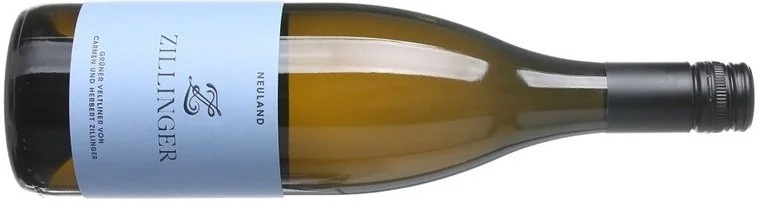
We’ll be honest, when Gruner Veltliner first started turning heads, we barely noticed. “It’s like a meadow in a glass!” they said. “Pair it with anything, it’s flawless!” they swore. And there we were, shrugging, feeling like the only ones at the party who didn’t recognize the hit song everyone was dancing to.
Tasting the Zillinger Neuland Grüner Veltliner 2024 gave us a glimpse into the hype. It’s a wine of great clarity and purity—like crystal-clear alpine water running over broken slate. Aromas of sweet lime, white peach, and a hint of delicate wildflowers and white pepper invite you in, while the palate is steely-dry, zippy and sleek. A whisper of chalky minerality lingers, reminiscent of a fine Chablis, making each sip refreshing and precise.
There’s a graceful versatility here: it pairs seamlessly with food yet is compelling on its own. Bright, polished, and utterly drinkable, it’s a delicious reminder of why people fell for Gruner Veltliner in the first place. Honestly, this is one bandwagon worth joining. 12% alc. Drink now - 2028. Organic and biodynamic farming.
Press Reviews:
Jancis Robinson MW: “Full of life! But also expressing very pure, varied, 'wild-flower' aromas. Clean as a whistle. Dense and surprisingly rich and layered for a wine this young and this relatively inexpensive. Brilliant flavours. Long and vibrant. So ready and accessible! VGV (in Austria anyway!) (JR)” 17 points

When you drink this wine, spare a thought for the poor sods who picked the grapes, because every grape had to be harvested by hand from incredibly steep slopes along the Mosel Valley (even Evel Knievel wouldn’t drive a tractor down there!).
Daniel Fries is a really exciting young winemaker (first vintage 2019) and we are thrilled to have discovered him so early in his upward trajectory. We have selected his estate Riesling Trocken 2023 for you to try, which is his ‘entry level’ wine, before you climb the quality ladder towards his Erste Lage sites, but it really rises above its station at £21.50 per bottle. It’s completely dry (Trocken) and we put it through its paces with prawn tempura roll, salmon nigiri aburi, spider roll and yellowtail sashimi. It was the perfect accompaniment, with just enough tender fruit to keep the raw wasabi at arm’s length, while sufficiently crisp and refreshing to elevate the sweetness of the crab meat, the prawns and the seared salmon. Fries with sushi? Yes please!
The aromas are focused around tangy lime and juicy white nectarine, so the wine has precision and succulence in equal measure. The vines grow on pure slate soils and even if science can’t (as yet) explain how minerals in the soil can manifest themselves as flavours in the wine, there is a device that can detect it at very small parts-per-million called the human tastebud and there is something unmistakably ‘slatey’ about this wine. 12% alc. Drink now-2029.

Little Red Riding Hood strayed from the path and she survived to tell the tale, albeit covered in lupine gastric juices, so it’s worth venturing into the dark woods once in a while. Take this unusual and fascinating Slovenian white, for example, made from a blend of organically grown Welsch Riesling, Chardonnay and Sauvignon grapes. It’s delicious and really quite a serious wine, comparable in some ways to a textured, gastronomic white Bordeaux, displaying gooseberry fool, green plums and lemon posset held in a grip of salty minerals. It's textured and creamy and has lots of richness, but still with that lovely citrus and gooseberry dash that vitalises the palate. Enjoy it on its own, but fish and white meat is all the better to drink it with. 13.5% alc. Drink now-2028 Organically farmed
Press reviews:
Jamie Goode: “Blend of three varieties from the three crus. 50% Welschriesling from 45 year old vineyards (quartz gravel, 2,500 litre Pauscha), 30% Chardonnay (marine sediments and shells, 600 litre oak) and then 20% Sauvignon (quartz gravel and sands, 600 litre barrels). Harvested separately. This is energetic, detailed and precise with lovely structure and acidity with some grapefruit pith and lime. Lovely yellow fruits, but also some mineral notes and good acidity. This is complex and layered, with good concentration and depth. Gastronomic.” 94 points
Decanter: “The calling card of this 22ha organically farmed estate in Slovenia’s far northeast. It shows inviting aromas of spiced peach and ripe pear with lightly flinty and herby overtones. nicely textured, with lemon zest, juicy apple and yellow plum flavours, and great harmony, supported by vibrant acidity and a fresh, lingering finish.. Drink from now-2029.“ 92 points

“Serious power and finesse.” - JancisRobinson.com, 17+ points
If you were to draw a Venn Diagram with the features of our favourite white wines within each circle, then this German Chardonnay would lie entirely at the intersection. It has the wispy ‘struck match’ notes that we love in a reductive white, it has the ‘flinty’ notes that we hope to find in a great white Burgundy, it has the subtle ‘smokiness’ reminiscent of a volcanic white, and it has the poise and refinement of a ‘minerally’ Pouilly-Fumé, but most importantly, it is what it is, a very stylish and elegant, barrel-aged Chardonnay from the Rheinhessen. 13% alc. Drink now-2034.
Press reviews:
JancisRobinson.com: “Flinty-fumy matchstick reduction on the nose. Cool citrus, lemon peel coated in vanilla-bean powder. Oddly enchanting and refined. Salty, slender and cool; carving a deep, juicy path, a fjord between the steep cliffs of acid and stone. Serious power and finesse for an Ortswein. (PS). Drink now-2032.” 17+ points
JancisRobinson.com (Tamlyn Currin): “Fantastically smoky – right to the sulphurous line, right to the brink looking in. Sucked-in citrus so sharp it's a paper cut. The wine has focus so laser fine that it feels thin and faster than the speed of light and it's gone and then you realise that everything about this wine is what it leaves behind – like following an arrow shot to split a mountain in half and finding a meadow, wide and open and full of light. Candied angelica, candied lemon peel, baklava, lime pickle, apple blossom, white pepper and wild flowers. I would argue that this wine has not even spun its cocoon in its evolution towards beauty. Drink 2026-2032.” 16.5+ points
Vinous: “The 2022 Chardonnay Ingelheimer was picked in Erste Lagen sites, in both the Mainzer Berg and the Westerberg. The wine spent 18 months on gross lees in 500 litre barrels. Reduction and a touch of walnut skin predominate on the nose. The palate comes in with freshness, led by yeasty notions, slightly salty creaminess and a lovely chalky undertow. Drink now-2040.” 91 points
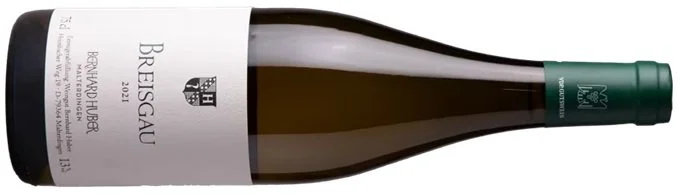
The foothills of the Black Forest in Breisgau have similar terroir to Burgundy, with weathered shell-rich limestone soil and this astonishing white from Bernhard Huber could easily be mistaken for a Meursault. It was fermented and aged in barrel in the same way as Huber’s top Chardonnays, but it doesn’t command the same lofty price tags, because it’s only a blend of Pinot Blanc and Pinot Gris. That little world ‘only’ is not being very fair to Pinot Blanc or Pinot Gris, because they are noble grape varieties in their own right, but they don’t have the cachet of Chardonnay. However, unless cachet is terribly important to you, we suggest you load up, because this is a tremendous bargain. It tastes like a Burgundy from one of those smart addresses, where ‘struck flint’ aromas are the signature, but it’s not all chipped stone, there are citrus notes and white-fleshed fruits and dainty floral touches too. 13% alc. Organic certified. Drink now-2032.
Press review:
The Wine Advocate: “Huber's 2021 Breisgau is a Pinot Blanc blended with Pinot Gris that was vinified like the Chardonnays. The wine offers a clear, elegant and quite substantial, limestone-driven and slightly reductive nose with ripe fruit aromas and refreshing and spicy phenolic notes. Full-bodied, tight and fresh on the palate, this is a clear, dry and structured white with a characterfully grippy limestone finish. The acidity is fresh yet fine and well integrated into the clear and well-defined fruit. The finish is long and saline and stimulating in its bite. Drink now-2025.” 92 points

“This is an impressive Silvaner with Burgundian characteristics.” - The Wine Advocate, 93+ points
“Carsten Saalwächter is undoubtedly onto something in demonstrating that Silvaner can do anything Riesling and Chardonnay can do. His wines are liquid testimony.” - Anne Kriebl MW
We don’t have a Sancerre on our list, but don’t panic, we do have two Silvaners from the Rheinhessen! That either tells you that we have a terrible head for business, or that we can’t choose between them, because they are both so good (although I realise those two premises aren’t mutually exclusive).
This is the cheaper of the two, which doesn’t mean it’s cheap, in fact it’s pretty expensive for a Silvaner, but that’s only because Silvaners don’t tend to be expensive. Are you still there? I’m not sure I am. The point is (there’s a point?), this is roughly the same price as a good white Burgundy, so it would be an act of peculiar self-sabotage to price it alongside a top Cote d’Or if it weren’t a bit special. Well, special it most certainly is and ! It has the kind of beguiling aromas that you might find in a Puligny-Montrachet from Domaine Leflaive, with a wisp of flinty reduction, a tumble of citrus fruits, a distinct impression of cool limestone and even a hint of oyster shell, or maybe I’m just imagining what it would taste like with one. It’s beautifully delineated with perfectly-pitched acidity, that is perky, yet not intrusive. 13% alc. Drink now-2040
Press review:
Jamie Goode: “Amazing reduction with spice, smoke and minerals. Textural palate shows pear and citrus fruit with good detail. Salty and profound.” 95 points
The Wine Advocate: “From old vines planted in 1964 and 1968 on the yellow limestone plateau above the ‘Grauer Stein’, Saalwächter's 2022 Silvaner ‘Steinkante’ opens with a pure, intense and nicely reductive bouquet with flinty notes combined with clear, ripe and open fruit intertwined with herbal as well as chalky notes. Very elegant and round on the palate, this medium to full-bodied Sylvaner develops an intense, mineral and layered character with a long, enormously saline finish with fine, stimulating phenolic grip. This is an impressive Silvaner with Burgundian characteristics. Drink now-2045.” 93+ points
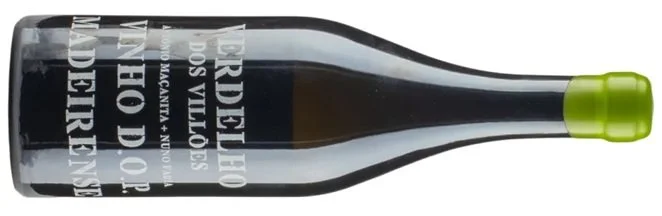
Such a thrilling, dry white wine (just in case you thought all Madeira was sweet), sourced from Verdelho vines on the north side of the island, very close to the ocean and it positively pinballs across the palate with yuzu, grated lime peel, struck flint, matchstick and salty margarita notes. It’s a wine that pings with energy, unmistakeably an island wine, with a breezy Atlantic freshness and, although it’s only 12% alcohol, it has surprising weight and length. If I were forced to compare it to another wine, I’d say it sits somewhere between Didier Dagueneau’s ‘Silex’ and a Listan Blanco from Tenerife. I bet that was helpful. It was fermented and aged on its lees in barrel (although a portion was raised in stainless steel to retain Verdelho’s natural brightness). Drink now-2032.
Press review:
The Wine Advocate: “This has a reductive profile with notes of flint and some spicy and smoky hints (they had some new barrels in 2023). It has 12% alcohol and high acidity (around eight grams) after full malolactic and is sharp, chalky, tasty, saline, pungent and dry. It should age nicely in bottle. 1,500 bottles produced. Drink now-2036.” 95 points

Call me shallow, but a beautiful label can favourably predispose me towards a wine and this one had me writing an enthusiastic tasting-note before I’d even taken a sip. It’s a very gentle Furmint (the Hungarian grape variety having a renaissance in Austria), with flavours of yellow plum and pear and a touch of something golden, not wholly dissimilar to a top-notch Gruner Veltliner. 12.5% alc. Organically farmed. Drink now-2028.
Press review:
JancisRobinson.com (previous vintage): “Smells of pear skin and green-apple skin. White pepper and pickled jalapeño. And sauerkraut. Popcorn. Chamomile. Sweet hay. It's complex, interesting, mineral. There was about 150 ml left in the bottle after the tasting, and after six days it became more and more spicy (cardamom) and nutty (green almonds) with the acidity developing a lime fragrance. Serious Furmint. (TC). 12.5% alc. Drink now-2029.” 17 points
Red Wine
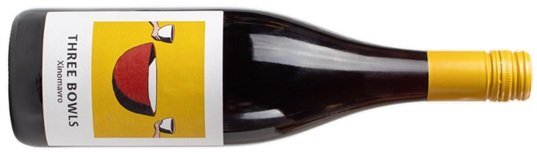
A lovely example of a gentle, softly-textured Xinomavro, displaying the silky, medium-weight body of a Pinot Noir and flavours reminiscent of those trendy Garnachas from the Gredos Mountains. It sits on the palate dealing sweetness and savouriness in equal masure, so you taste strawberry and grenadine, as well as greenhouse tomatoes and loose tea, with the gentle tannins of loose tea giving a pleasing dryness to the terracotta notes on the finish. This would go perfectly with all kinds of mezze, as well as salmon or tuna (either raw, seared or grilled). 13.5% alc. Drink now-2030.
Press reviews:
Jancis Robinson MW: “A pale, gentle example but well balanced and definitely of the PDO. Well done! Good Value. Drink now-2029.” 16.5 points
Julia Harding MW: “Mid-to-light crimson. Classic Xinomavro aroma of red fruits, dried tomatoes. And an excellent example of the variety's tannins, sufficiently tamed but not overly so. Firm, dry and likely to age well, though you could approach it now with food. Very Good Value. Drink now-2030.” 16.5+ points
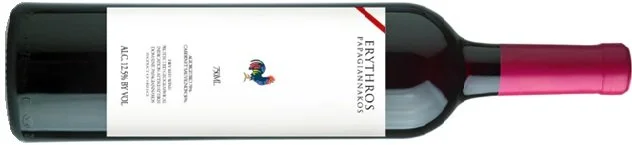
A very pretty red that blends Agiorgitiko (pronounced “Ah-Yor-Yee-Te-Ko” and means ‘Saint George’) with Cabernet Sauvignon to produce something very gentle and pretty and only 12.5% alcohol. Plum blossom, blckcurrant and sweet strawberries sit on pillowy tannins, thanks to the wine undergoing a 5-day pre-fermentation cold soak, which has the effect of a soft infusion, instead of a harsh extraction (more like making tea than coffee). It would be delicious with a couscous or a tagine or a classic moussaka. 12.5% alc. Aged for 6 months in 2nd fill -French oak barrels Drink now-2032

This is not a wine for fans of closure, because it’s infinitely moreish! It’s a seriously delicious blend of Blaufrankisch (70%) and Syrah (30%) combining soft-bodied red fruits, a whiff of bonfire, a twist of white pepper and the citric kick of blood orange and you just can’t help coming back for another sip. One could mistake it for a really fine Cru Beaujolais or even a Northern Rhone Syrah. 12.5% alc. Drink now-2030.
Press review:
The Wine Advocate: “Muhr's 2019 Carnuntum offers a ripe, pure and floral, finely intense and Burgundy-like bouquet of dark forest berries and cherries. On the palate, this is a silky-textured, very elegant and well-concentrated red wine with juicy, ripe fruit with fine and spicy tannins and a saline finish. This is a pure, fresh and intense as well as concentrated red wine of excellent class. Drink now-2032.” 90 points
JancisRobinson.com: “Garnet with a dark core. Elegant aromas of black fruit, plum, wild cherry and a captivating spice of nutmeg and black pepper. One feels the full range of Blaufrankisch, from the lifted ethereal notes of thyme and juniper to the depths of ripe black fruit, and then comes the concentrated dark soul of the Syrah. Polished tannins and a long, savoury finish. Supple and sleek.” 16.5 points
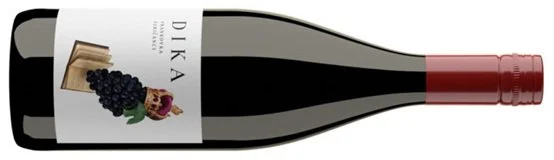
“Excellent-value.” - Decanter
A sweetly juicy and elegantly oaked Frankovka, otherwise known as Blaufränkisch (which I realise to many people would be like me saying Rumpelstiltskin, otherwise known as Tűzmanócska). It feels full, yet fresh, with comfortingly rich impressions of plum skins and warm leather, animated by cherry, and those tiny, flavour-packed wild strawberries. 13.5% alc. 18 month in large Slavonian oak barrels. Drink now-2030.
Press review:
Decanter: “Earthy and vibrant, with elderberry, spiced plum and fresh red-black berry fruit. Medium-light bodied with grippy, rustic tannins and lively acidity. An excellent-value Frankovka (aka Blaufränkisch) ideal for roasted vegetables or midweek stew.” 90 points
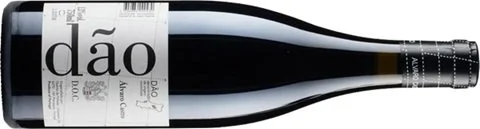
“Quinta da Pellada is still one of the finer, if not the finest, producers from the region and one of the pioneers of quality wines in the Dão region, led by the charismatic Álvaro Castro.” - The Wine Advocate
We rarely have more than one or two Portuguese red wines on our list, because they feel as if they are swimming against the current trend towards lighter, fresher styles, so we were delighted to find this aromatic, floral, fruit-driven little gem, with its juicy palate of blueberries, dried cherries, orange and rosehip. The tannins are soft and supple, texturally similar to a Pinot Noir, but the flavours bear the hallmarks of the local grapes that comprise the blend: Alfrocheiro, Touriga Nacional and Jaen. 13% alc. Aged for 12 months in French oak. Organic farming. Drink now-2031.

We were at a tasting recently, with the usual array of wines lined up on trestle tables, but I spotted a member of the company wandering around with a bottle that wasn’t in the line-up, furtively pouring it for a few of his favourite contacts. Ever the master of discretion, I sidled over to him and said “Oi, Pete! What’s that? Slosh a bit in here!”, holding out my glass. Fortune favours the ill-mannered and it turned out to be the star of the tasting, only there wasn’t much to go around, hence the surreptitious pouring. We put our hand up for as much as we could get.
It’s made from the indigenous Limniona grape variety, which ‘Wines of Greece’ describe as “the rising star of the Greek red varieties and sure to be a driving-force for the development of numerous top wines around Greece for years to come”. It pours a wonderfully glossy ruby colour, not black or opaque, but vivid and translucent, and the fruit aromas are a mix of sour cherry, raspberry and quince with a sprinkle of cinnamon and nutmeg from the new French oak in which it bathed for a year before release. A really stunning example of modern Greek winemaking. 13% alc. Drink now-2030.
Organic (certified)
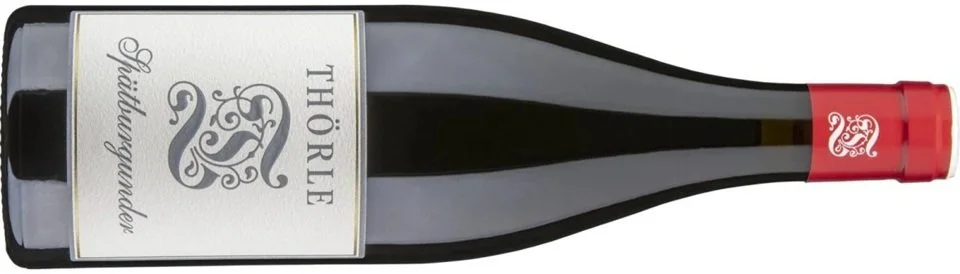
The fruit is so vivid on this Pinot Noir (aka Spätburgunder), that it feels as if it’s in high definition. Wild raspberries and shiny morello cherries show in clear focus on the nose and the palate has wonderful clarity of fruit too, with tiny, pixelated top notes of pomegranate. rosehip and orange peel. This is Thörle’s entry-level Pinot Noir and is much closer in quality to their ‘single vineyard’ expressions than the discrepancy in its price tag would suggest. 13% alc. Unfiltered. Drink now-2032. Organic (certified) & biodynamically farmed.
Press review:
James Suckling: "The vibrant sour cherry aromas are beautifully interwoven with lovely creaminess, fine tannins and chalky minerality. I love what the energetic acidity does for the long finish of this slightly cloudy beauty. From organically grown grapes. Matured for 18 months in well-used, small oak casks. Unfiltered. Drink or hold." - 94 Points
‘Winery of the Year 2026’ - Vinum Magazine
It’s particularly gratifying when you meet a producer, fall head-over-heels for their wine, place an order and, as the wine is trundling its way across Europe, you discover that they have just been named ‘Winery of the Year’ by a leading wine magazine. It won’t make the wine taste any better when it arrives, but it makes us feel smug, and that’s what really matters.
We discovered Weingut Metzger in Germany in February. A group of young Pfalz producers had all chipped in to hire a space to show their latest releases and they each had a stand with two or three bottles to represent their estate. We were slightly nervous to approach Metzger, because the winemaker, Martin, stands at around 6 foot 7 inches on dry land, but his stand was already on a daïs, so he loomed over us like a WWF wrestler and our eyeline was roughly level with the bottom of his beard. We held our glasses out like Oliver Twist asking for more gruel and hoped he didn’t notice our hands trembling.
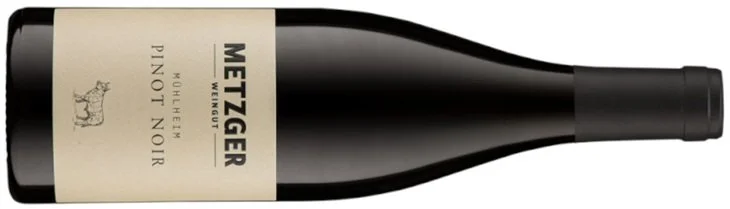
As it turned out, Martin was as gentle-mannered and softly-spoken as his wines – he clearly doesn’t crush his grapes by foot! Our quest in these encounters, much like simple origami, is twofold. First and foremost, to find something of great value for Vin Cognito customers, but also to get a sense of the winemaker’s integrity, which comes across more succinctly with eye contact and a few spoken words than any press release can ever convey. We were immediately convinced by Martin and the quality of the wines, with his Pinot Noir 'Mühlheim'2022 being the clear value bet at £26.95. If you love red Burgundy or great New Zealand Pinot Noir, then this represents terrific value by comparison.
It’s a beauty, swirling with sweet and sour cherry notes, wild strawberry, woody spices and grated tangerine peel as a delectable grace note. The palate is fairly deep for a Pinot Noir, full of bright, energetic blackberry fruit, with all of Pinot Noir’s charm on display. My hand-written tasting-note at the time helpfully says, “so drinkable!”, which is nothing more than the minimum requirement for any wine, but I kind of see what I meant, it’s just so succulent, ripe and juicy that it slips down incredibly easily. 13.5% alc. 50% new oak. Drink now-2034.
Press review:
Falstaff: “Dense and fragrant nose, smoke, light and dark wild berries, dark wild cherries, earthy notes, leaves, nougat chocolate. Powerful yet elegant on the palate, pithy, ripe tannins, fresh fruit, well-integrated juicy acidity, fine savouriness, stimulating to drink.” 91 points

“I really love this one for so many reasons. One of the finest I have ever tasted from Styria.” – The Wine Advocate
“A Pinot that so many freaks would adore if only they knew it. If you love Loire red wines, this is a wine you should try.”– The Wine Advocate
We are unashamed Pinot Noir obsessives and that’s because no other grape variety connects as immediately to one’s emotions (in the same way that, in the arts, music can), and this wine took us to that rare and magical place that Pinot-lovers dream about, where you start to taste colours and smell sounds. It tastes of impossible things like molten rubies and liquid flowers! It’s ethereal and sensual, haunting your senses with its glorious aromas of hibiscus, orange peel, cherry juice, betel nut and even a little xylene (the pleasant smell, for us at least, found in a permanent marker pen!). The palate is silky and sinuous, yet rich and glossy, with a frisky Austrian acidity that whips it into shape. I could go on, but I’d just be chasing descriptive rainbows, which, in the end, is what keeps Pinot fans coming back for more. 12.5% alc. Drink now-2032. NB This works very well slightly chilled, as the flavours punch through the cool temperature rather than being masked by it.
Press review:
The Wine Advocate: “Gottfried Lamprecht's 2019 Pinot Noir vom Opok (opok is vernacular for a chalky marl soil) opens with a fascinatingly deep, pure, spicy and earthy nose with fresh black berry and forest aromas. Silky, lush, intense and full of ripe sour cherries, this is a generous, lush and finely grippy Pinot with fine tannins and spectacular length. This is an authentic Pinot on an excellent village level and one of the finest I have ever tasted from Styria. I really love this one for so many reasons: purity, mineral freshness, intensity yet also subtleness and this certain rustic grip on the finish. A rural Pinot that so many freaks would adore if only they knew it. If you love Loire red wines, this is a wine you should try (if you can). Drink now-2035.” 90 points

“Lavishly and deliciously aromatic – deep black pepper and dried violets on a plump pillow of ripe, sweet, freshly picked blackcurrants and blackberries. Rain on dusty, dry leaves. Earth and incense. So complex and layered, the fruit so pure.” - JancisRobinson.com, 17 points
If you know anything about Georgian wine, then you already know more than us, but we do know a great wine when we taste one and this unpronounceable red knocked our socks off at very cool tasting of Georgian wines in London’s fashionable Shoreditch, where we stood out like sore thumbs, having neglected to wear double-denim (ironically, of course), sport a nose ring or carry a cat-faced Japanese satchel.
Don’t be scared off by the name, the flavours are much more familiar, displaying glossy, red-fleshed plums, black cherries, pomegranate syrup and high-toned notes of shoe polish and felt-tip pen, not wholly dissimilar to a Piemontese red. The deep colour is a consequence of the grape variety, Otskhanuri Sapere, having thick, jet-black skin, and the fact that the grapes were laid out to dry in whole bunches in the winery’s loft, concentrating the flavours and the colour and softening the tannins. It was then aged for 7 months in qvevri. 13% alc. Organic & biodynamically farmed. Drink now-2036.
Press review:
JancisRobinson.com: “Deep purple-ruby. Lavishly and deliciously aromatic – deep black pepper and dried violets on a plump pillow of ripe, sweet, freshly picked blackcurrants and blackberries. Rain on dusty, dry leaves. Earth and incense. So complex and layered, the fruit so pure. Similar depth and purity on the palate, supported and lifted by tremendous freshness. The fine-grained but mouth-coating tannins need a little taming – with time, air or food. But they help sustain the spiced-meat and blackcurrant finish. Built to last. (OC). Drink now-2035.” 17 points
Customer comments:
“This is the worst red wine i have ever tasted!” - A.Z., Safestore Storage

Love, love, love this! A delicately pale Pinot Noir from steep terraced vineyards in the Mosel Valley. It has that ineffable quality that you occasionally find in a Chambolle-Musigny, where you feel like you are drinking molten rubies. It has finely-detailed aromas and flavours of red cherry, tangerine, agarwood, rosehip and orange oil, but despite its light footprint, it has amazing concentration and length. 12.5% alc. Drink now-2032.
Press review:
Decanter (previous vintage): “Light, lifted, floral. Juicy cherries, raspberries and a hint of Black Forest gateau. Silky tannins and linear acidity support a sappy, crunchy frame. Elegant, ethereal and subtly old-school.” 94 points
“Such skill on show here; a beautiful wine… Moreish and hedonistic yet fine and poised.” - Decanter, 96 points and their ‘Must Try Red’ in the September 2026 edition!
“Really exciting wine… Tastes like a wine that might be quite a bit more expensive. Good Value.” - Jancis Robinson MW
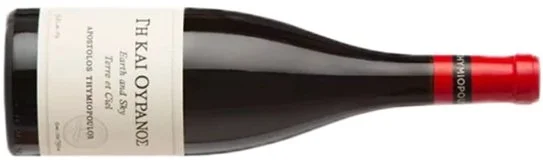
Fans of full-bodied red Burgundy and/or Chinon will feel at home with a glass of this in their hand. It is high-toned and elegant, certainly for a wine made from Xinomavro, which can be a bit rustic and astringent, whereas this is so smooth and glossy you could slide down it. Aromas of loose tea leaves, kola nut, black cherry and wet clay lead to a palate of red-fleshed plums, shiny dried cherries and rhubarb compote showing a distinctly Mediterranean warmth of flavour on the finish. It’s approachable now, but will surely unfurl further layers of complexity over the next decade and possibly beyond. It was aged for 16 months in large French and Austrian barrels, a quarter of which were new. 13.5% alc. Drink now-2036. Organic & biodynamic farming.
Press reviews:
Decanter: “Such skill on show here; a beautiful wine that's perfumed with peony and plum. Exquisitely textured like satin embroidered with silk thread: soft and flowing yet punctuated with stitches of tannin and mineral tension. Shiny red apple skin and black cherry sweetness wrap up the finish into something to moreish and hedonistic yet fine and poised, it's impossible not to return for another sip.“ 96 points
Jancis Robinson MW: “Mainly 45-year-old vines on limestone with schist and clay topsoil. Fairly deep garnet with a pale rim. Really exciting wine – excellent demonstration of the variety’s tannins and acidity on the palate but with a lightly tarry nose. Damson fruit. Very energetic. Dry finish. So zippy! Tastes like a wine that might be quite a bit more expensive. Good Value. Drink 2026 - 2033.” 17.5 points

“Serious wine with real fruit, structure and length that could compete with a Burgundy at twice the price” - Jancis Robinson MW
Discovering the Pinot Noirs (and Chardonnays) of the Baden region in western Germany has been one of the most enlightening moments in our wine journey so far. This Spätburgunder (Pinot Noir) offers a pure, fresh, elegant and slightly flinty bouquet of spicy cherries and ripe, juicy dark berries. Finely mineral and vital on the palate, it is an elegant and refined, pure yet intense and crunchy as well as spicy Pinot with intense ripe fruit. Drink now-2035.
Press review:
Jancis Robinson MW: “Serious wine with real fruit, structure and length that could compete with a Burgundy at twice the price, and would taste much fresher than most 2019s from the Côte d'Or. Drink now-2032.” 17 points
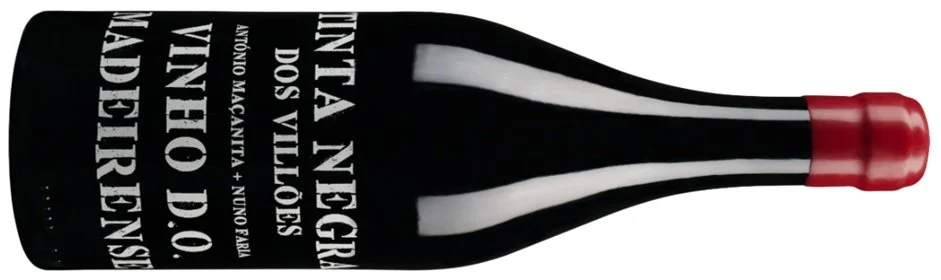
This is about as pale as a red wine gets before it geta put on the rosé shelf! It’s made from the Tinta Negra grape, grown on the island of Madeira and is not a wine for fans of punchy, full-bodied reds, it’s all about delicacy and subtle expression, but there is room for both in the world of wine, just as there is room for oil painting and watercolour in the world of art. It has gentle notes of cherry blossom, wild strawberries, pink grapefruit and dried flowers, with a palate that is fresh and sweetly succulent with a wispy smokiness that refers back to its volcanic soils. 10% alc. 40-year-old vines. 30% whole bunch. Aged 8 months in used French oak barrels. Drink now-2034.
Press review:
The Wine Advocate: “We did a vertical from 2021 to 2024 to see the evolution of the red, and the 2024 Tinta Negra dos Villões is the palest and most perfumed, very different from the others, with lower alcohol (only 10%) and very high malic acid (but it's not very lactic). It has notes of acid berries, wet basalt, black pepper, dry roses, a touch of soy sauce and a smoky twist, with a light- to medium-bodied palate and unnoticeable tannins. It's a variety from the family of Bastardo and Alfrocheiro. All vintages were different, and to me this is the finest one. Drink now-2030.” 93 points
JancisRobinson.com: “Light crimson colour and invitingly sweet-red-fruited: sultry and seductive alcoholic strawberries, a hint of smoke and stone dust to dampen any excess fruit sweetness, vibrant with red cherry. The tannins are perfectly matched to the tart but generous fruit: smooth, rounded and building to a firmer grip on the finish. Relatively gentle but sufficient. I am not aware of the stems (ie the effect of the whole bunch is subtle) but they bring a slightly woody/herbal note, which also counteracts the potential fruit sweetness. Taut, zesty, with intense freshness but also a sour-fresh bitter-cherry and red-fruit sweetness on the finish. Very long and layered. It feels like a tightrope walk between red-fruited seduction and a tensile framework of acidity and tannins.” 17.5 points