
White Wine
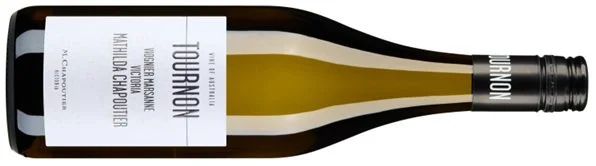
“It's hard to imagine how you could want more for the money.” - The Wine Advocate
Viognier is a varietal that rarely tastes of Viognier, because it’s notoriously difficult to work with, so I wasn’t expecting a great deal from this inexpensive example. It’s a grape which needs to be picked at exactly the right hour. If you pick too early, its flavour spectrum lies somewhere between zilch and nada, but if you pick too late, it tastes flabby and limp. It reminds me of Eddie Izzard’s sketch about pears “they’re ripe for half an hour, and you’re never there, they’re like a rock or they’re mush.”
Whoever made this wine knows how to work with Viognier and a closer inspection of the label leads you to the name, in unassumingly small font-size, Michel Chapoutier. Now there’s a chap who knows a thing or two about Rhone varieties, but you will have noticed that this wine comes from Australia not the Rhone Valley, specifically the Pyrenees Highlands in Victoria, where Chapoutier has established an Australian outpost, seeking to explore his passion for biodynamic Viognier and Syrah.
His ‘Mathilda’ Viognier 2024, named after his daughter, Mathilde, is redolent of fresh apricots, honeysuckle, ginger and white peach, with a lovely shimmer of green apple acidity that waltzes across the finish, keeping it lively. There’s a little dash of Marsanne to add a bit of pithy texture too, but the overall impression is a clean, dry, lightly-aromatic white for sipping in the sunshine with a Thai salad or some gochujang chicken wings. 13.5% alc. 82% Viognier, 18% Marsanne. Drink now-2028.
Press reviews:
The Wine Advocate (previous vintage): “I have high hopes for this Mathilda Viognier Marsanne - a very cheap, very aromatic little white wine here. The nose is outrageous: a fete of spring florals, rose petals, lychees and apricots. And the palate delivers all of this in a dry, cleansing, tight package. It's hard to imagine how you could want more for the money.” 90 points
Jancis Robinson MW (previous vintage): “Lots of character and an interesting, well-integrated blend from the Chapoutiers. Good Value.” 16 points

“This is one for those who like their Chardonnays with pizzazz.” - Rebecca Gibb MW
While there is still room in the world for experts (despite Michael Gove once announcing that “the people of this country have had enough of them”), we’d like to offer an expert opinion, based on qualified, empirical research, and state that this is a very good value Chardonnay. Contentious stuff, I know, but it had to be said. It’s easily on a par with those wonderful Kumeu River ‘Single Vineyard’ Chardonnays, which, you don’t need an expert to tell you, are the benchmark for New Zealand.
It’s lean, yet full-flavoured, with lime and toasted hazelnut to the fore and a sense of chalky cool that fleshes out the body and gives it a richness, without adding weight. If New Zealand Chardonnay isn’t the best value alternative to fine white Burgundy, then I don’t know what is, so I will have to ask an expert. 13% alc. Drink now-2030.
Press reviews:
Cameron Douglas (Master Sommelier): “A rich and nut-centric bouquet with smoky outlines then core flavours of peach and vanilla custard, grapefruit and nectarine. Firm and dry, a wine with tension and power, the fruit core for contrast and mix of tannins and acidity to deliver poise then length. A lovely example, youthful with plenty of development time ahead. Best drinking from later in 2026 through 2031+.” 94 points
Vinous (Rebecca Gibb MW): “The Marlborist’s 2023 Chardonnay is smart and saline, with a piercing line of acidity running through its textural core. This has a barrel-fermented style that provides toasted nut flavours alongside the grapefruit-like apple fruit notes. It is a shade more delicate than medium-bodied, with an element of richness on the mid-palate alongside delicate pastry notes pointing to its extended lees aging. Thoughtfully constructed, this relatively new producer is forging a growing reputation. Drink now-2031.“ 91 points
Customer comments:
“Spectacular!” - Mr A.M.
“NZ Chardonnay v. good!” - Mr. M.G.
“This is incredible! Another twelve please.” - Mr I.S.
“We worked our way through several of the whites (the Marlborist being the favourite so far).” - Mr J.G.
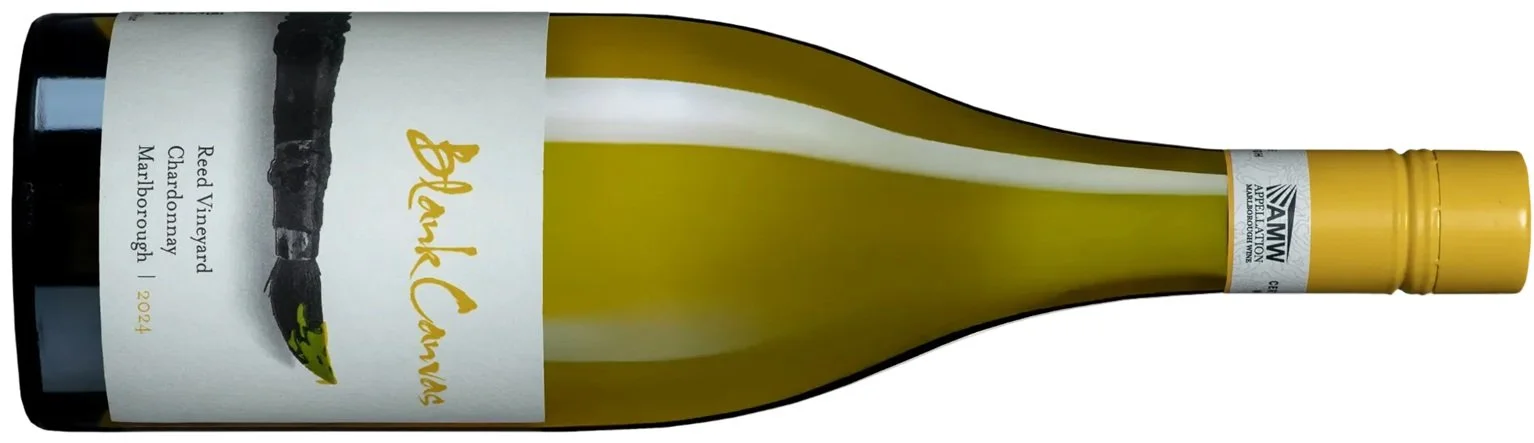
“Very Coche-Dury.” - JancisRobinson.com
“Amazing.” - Jamie Goode, 95 points
Blank Canvas’s winemaker, Matt Thomson, must have to pay for a lot of broken windows, because he has knocked it out of the park yet again. Billowing with golden-flecked stone-fruit and tangy grapefruit, there is a tease of struck match and notes of wood shavings and toasted sourdough. The balance between the rich, savoury characteristics and the toothsome oak is just perfect, while the fine, tinkling lemony acidity illuminates the fruit flavours with great clarity and carries the notes of hazelnut and peach with it on its long, silky journey. This is one of the yummiest wines we have in store and a wine I would recommend it to anyone who loves serious Chardonnay, including top notch white Burgundy. It is, quite simply, brilliant. 13.5% alc. Drink now-2032.
Press reviews:
Jamie Goode: “Concentrated, fine, mineral and expressive. A powerful wine with lovely citrus intensity, layered complexity and good acidity. Such refinement here allied to power. Amazing.” 95 points
The Wine Advocate: “The 2024 Reed Chardonnay is reductive and spicy on the nose, with freshly picked curry leaf, white peach, green apple and green olive brine. In the mouth, the wine is savoury and layered with reduction, which carries through to the finish. Very good wine here, the fruit is restrained/delicate and sits beneath the winemaking, while the finish is long. Drink now-2034.” 94 points
JancisRobinson.com (previous vintage): “Seductive and well-judged ‘reductive’ (smoky, struck-match) aroma and really toasty as it opens up, something cedary. Very Coche-Dury but, most importantly, there is the fruit intensity to carry off this winemaking style. Nutty, creamy, mealy citrus. So many things going on that it makes you slow down to try to enjoy all this complexity. Deep, deliciously fresh and incredibly persistent with an aftertaste of savoury/mineral citrus. Worth every penny of its NZ price of $45. Classy and got better and better over the few days post opening.” 18 points
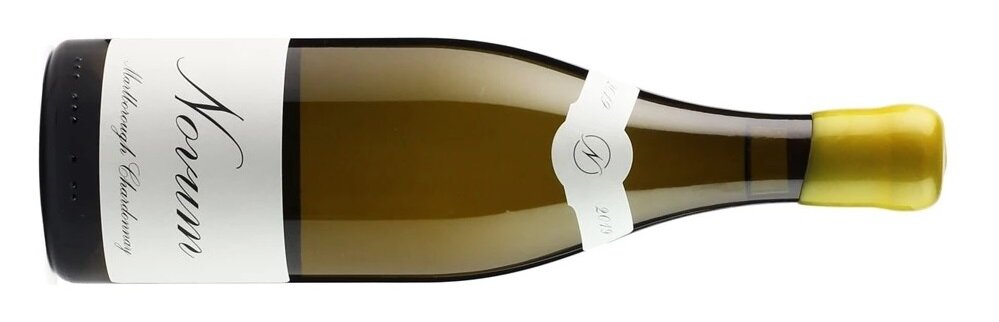
“White Burgundy lovers should put this on their shopping list.” - Rebecca Gibb MW, 95 points
A very distinguished Chardonnay indeed and a fine partner to Novum’s beautiful Pinot Noir. It’s subtle and restrained in its aromas, less oaky than you might anticipate from a New World Chardonnay and more like an ambitious Pouilly-Fuissé, with its stylish impression of chiselled stone and shaved lemon peel, hazelnut yoghurt, oatmeal and a hint of cold white butter. It’s like a confluence between New Zealand purity and Burgundian elegance. Grapes are whole bunch pressed, settled overnight before being racked to French barriques for wild primary fermentation. The wine then spends an additional 11 months in barrel (20% new oak), where it goes through a wild malolactic fermentation, with the lees stirred on every full moon. 13% alc. Organic & biodynamic (not certified). Drink now-2027.
Press review:
Vinous: “This unshowy Chardonnay seduces you with its understated but savoury style. Full-bodied yet perfectly tied together by a fine line of acidity that pierces the rich core of fruit from its beginning to its lengthy finish. Expect subtle oak-derived nutty characters allied with oatmeal, citrus and nectarine. White Burgundy lovers should put this on their shopping list. Drink now-2025.” 95 points
Customer comments:
”Stunning!” - Mr. G.F.

“One privilege of tasting and writing about wines selected for The Wine Companion is discovering a hitherto unknown winemaker, winery and/or wine that blows your mind. Now i mean no disrespect to wineries previously selected for ‘Best New Winery’, nor do i want to paint myself into a corner in the years to come, but people such as owner-winemaker Shaun Crinion of Dappled Wines come around once in a metaphorical blue moon.” - James Halliday, Australian Wine Companion
A stunning Chardonnay with spine-tingling, zesty fruit, a hint of smoky reduction, a wisp of new oak (20%) and lots of lime, grapefruit and cold-pressed citrus oil. It's fresh and bright, but there's richness and concentration too, which is always a clever conjuring trick to pull off. 13% alc. Partial malolactic fermentation. Organic & biodynamic practicing. Drink now-2030.
Press review:
The Wine Companion: "A blend of Upper and Lower Yarra vineyards. Zero battonage and left on lees for 10 months. A lively green gold. Gee, this smells good! Aromas of stone fruits, hazelnuts and some struck match leads onto the saline, linear and long palate. Will be even better 6–12 months from now." 95 points
JancisRobinson.com (previous vintge): “A touch of struck-match here, as well as a touch of lime leaf and pure citrus underneath. Grapefruit – fruit and pith. Subtle chewy texture, plenty of spice and creaminess but not especially oaky. Very much in the reduction style but not overdone. Lean and sinewy but not austere. Deep and long, stylised but not OTT. Should age well. Drink now-2030.” 17+ points

"The best Chardonnay yet from this address. Superlative." - The Wine Companion, 95 points
It takes about 43 facial muscles to produce a smile and, no, I'm not going to go all 'bumper sticker' philosopher and say it takes more muscles to frown. I only mentioned it, because a smile seems so simple, yet it involves a lot of moving parts and I often think the same about a glass of wine as it sits there, all pale and monochromatic.
If this wine were to visually reflect all the hard work that went into its creation, it should look like the ceiling of the Sistine chapel, but it just looks like the water that Michelangelo dipped his yellow brush in. It was sourced from the 'Bowyer Ridge' vineyard in the Adelaide Hills, where the fruit was hand-picked, whole-bunch pressed and the free-run juice was racked off and fermented with wild yeasts in French oak barrels (18% new), the majority of which were 500 litre puncheons, as well as hogsheads and demi-muids. It was left on its lees in barrel for partial malolactic fermentation with regular battonage to build texture. Simple really.
The name 'Paralaian' comes from ancient Greece and refers to a person or people who live by the sea and that is where you will find winemakers, Charlie Seppelt and Skye Salter. Their 'Bowyer Ridge' 2022 is bristling with juicy acids as well as salty minerals, a classic coastal Chardonnay, whose flavours reflect the work that went into it, with intense yellow citrus, a warm biscuit and almond paste character (from the batonnage) and toasty, nutty notes (from the oak), like a sort of Chablis-Assyrtiko-Meursault mash-up with fabulous, mouth-watering acidity that lights up the palate like the flippers on a pinball machine. I'd be amazed if it didn't stimulate at least 43 of your facial muscles. 13.5% alc. Drink now-2036.
Press review:
The Wine Companion: "This is a thrilling mid-weighted Chardonnay with obvious fruit sacrificed for textural intrigue derived from partial malolactic fermentation, schist melded with sand, juicy acidity and savvy lees handling. The complexity that this engenders is winning. Think almond meal, corn kernel, citrus zest and allusions of glazed quince and toasted hazelnut barrelling long. The oak is beautifully embedded and while I've made this sound powerful, it has a latent, sophisticated and subdued energy that builds across the glass. The best Chardonnay yet from this address. Superlative." 95 points
The Wine Advocate: "The 2022 Chardonnay is from the Bowyer Ridge Vineyard and is a gently nutty, super salty, spicy, acidic little thing. It has a quenching array of white and yellow peach and nectarine, suggestions of curry leaf and brine and layers upon layers of very fine, chalky phenolics. I like it; it's elegant and pert. Drink now-2037." 94 points

“Worth every penny.” - JancisRobinson.com, 17.5 points
A typical Yarra Valley non-vintage white wine made from the Jura grape, Savagnin, produced by the fractional blending in a solera system of four different vintages (2015, 2019, 2020 and 2021). As I said, typical. Only 60 bottles were made available for the UK market and we managed to bid successfully for 30 of them and we are so glad we did! If you like Jura whites, the ones that are ‘topped up’ not the oxidative ones, then you will absolutely love this!
A lot of effort goes into making it and it really shows in the finished wine, which is hard to describe, because it’s not just a simple fruit cocktail. In fact, the fruit element is quite neutral, something along the lines of greengage, pear or star fruit, but the blending of four vintages, the use of clay eggs and the regular topping up of the vessels brings notes of ground almonds, green tea, salted lime and spiced apple kombucha. Hard to describe doesn’t begin to describe it! All I can say is that it will really enthral you if you like the Jura whites from producers like Cavarodes or Labet. Chiselled, elegant and refreshing on the one hand; complex, fascinating and delicious on the other. My hand-written tasting note just says: “PROPER WINE!”. 13% alc. Drink now-2030.
Press review:
JancisRobinson.com (Tamlyn Currin): “I was pretty smitten with this wine. Very different from the Crittenden Savagnins (Soumah founder Brett Butcher says they’re looking for a fresher style). But wow, the pulse and presence of this wine is spine-tingling! Ruched-silk texture, has a wonderful savoury-sweet play that is a bit like buttery filo pastry, dried rosemary and wild honey. Deep grapefruit acidity. Lots of layers, tissue paper and silk. Thrilling depth and layers. Pink grapefruit. Stippled with five spice. So precise that it’s almost as if you can taste every tiny grain of spice, dot by dot. Long, long, long. Worth every penny. Drink now-2033.” 17.5 points
The Australian Wine Companion: “Fermented and matured in clay eggs; a solera blend of wine from 2015, 2019, 2020 and 2021. With more than a nod to the Jura, this well-crafted wine has much more in common with the region's ouillé (topped up) wines than the more oxidative vin jaune. A bright green gold, you'll find aromas of poached pear, marzipan, sage and fennel. Textured and saline, the finish is grapefruit pithy and long. I like this a lot.” 93 points
Decanter: “A salty nose with lemon, nut, and spice aromas. The palate reveals pear, melon, subtle oak, and steely acidity.” 93 points

“All class from beginning to end.“ - 97 points, The Australian Wine Companion
So, there we were, cooing over Shaun Crinion's Dappled 'Appellation' Chardonnay with his UK importer, telling him how it was one of the best Australian Chardonnays we had ever tasted, when he looked left and right to make sure the coast was clear and, in a conspiratorial whisper, told us that he also had 3 cases of the Dappled 'Les Vergers' Single Vineyard Chardonnay, which he had served blind to a group of sommeliers alongside a Meursault from Domaine Roulot and everyone mistook it for the Roulot. Knowing already how great the 'Appellation' Chardonnay was, we didn't hesitate and snapped up those 36 bottles and we suggest you do the same. 13% alc. Whole bunch pressed. Wild vineyard yeasts. 12 months in new and used French oak on full lees with no battonage. Drink now-2032.
Press review:
The Australian Wine Companion: “Sourced from a vineyard in Seville at 232m. A natural yeast fermentation and minimal SO2. A luminous and bright green gold. A beautifully poised and understated bouquet with white peach, fresh pear, a little cashew and some oyster shells. The palate is linear, chalky and long. All class from beginning to end, and a wine that will reward at least 3–4 years in a cool, dark place.” 97 points
“One privilege of tasting and writing about wines selected for The Wine Companion is discovering a hitherto unknown winemaker, winery and/or wine that blows your mind. Now i mean no disrespect to wineries previously selected for ‘Best New Winery’, nor do i want to paint myself into a corner in the years to come, but people such as owner-winemaker Shaun Crinion of Dappled Wines come around once in a metaphorical blue moon.” - James Halliday, Australian Wine Companion

James Suckling: "Lots of minerality with crushed stone, chalk, white grapefruit, peach stones, white apricots, wild herbs and lavender. Touch of cedar. Evolves to nutmeg and crushed almonds. Wow. It really builds on the palate, leading to a crescendo and intensity that blows your mind. Compact and phenolic, yet so agile and refined. Goes on for minutes." 99 points
Vinous: “The 2021 Chardonnay Maté's Vineyard offers greater tension and sapidity compared with how the more relaxed 2020 did upon release. It will need time in bottle to shake off the rawness of youth. It is focused, concentrated and precise. There's sophisticated use of oak, which integrates seamlessly within the package. I got a cold the day after this was first opened, and almost a week later, when my senses returned, it remained impeccable, focused and compact. Drink 2023-2035.” 97 points
Jancis Robinson MW: “Savoury nose suggests a firm backbone. Really concentrated and richer than the Hunting Hill. Long and very youthful. For the moment, it’s a coiled spring with lots to chew on on the finish. Ideally it should be drunk at 9–10 years old but I suspect most of it is hoovered up long before that. Drink now-2038.” 17++ points

“A truly heavenly Chardonnay.” - The Australian Wine Companion, 97 points
“So good. Again!” - The Wine Advocate, 96 points
The Rocket Chardonnay has burst onto the scene (ha! ha! like a rocket, geddit?! brilliant!) since its launch (ha! ha! like a rocket, geddit?! brilliant!) in 2017. It has already become a cult wine without even trying (actually... trying to become a cult wine instantly disqualifies you from becoming one). The aromas lift off (ha! ha! like a rocket, geddit! brilliant!), displaying all manner of ineffable loveliness, best described as a continental breakfast trolley tumbling down the side of a volcano, so there’s lime marmalade, toast, warm viennoiserie, pumice stone, struck match, flint and half a grapefruit. 13.5% alc. Drink now-2032.
Press reviews:
The Australian Wine Companion: “The back label confides 'Made on earth by humans.' It is a truly heavenly Chardonnay, with impeccable balance and mouthfeel, attributes it will retain as it matures in bottle. The fruit has the whip hand, not the oak.“ 97 points
The Wine Advocate: "The 2022 Limited Release The Rocket Chardonnay is a more open-weave, raw, powerful rendition of Chardonnay than the sleek Tilbury, tasted alongside. This has crushed curry leaf in profusion, sugared pink grapefruit, apple pie, layers of preserved lemon and even a hint of loquat. There is an all-consuming galaxy of flavour and texture here. Some roasted almonds and crushed shells close the palate. So good. Again! Drink now-2035." 96 points
Decanter (previous vintage): “It’s lean, sprightly and immediately delicious. The racy front palate has fresh lemon zing and a smart savoury drawstring around the waist. Complexity unfurls as flavours gently roll without ever intruding on the lightness and bounce of the palate. It’s cleverly understated, yet highly sophisticated; a lively dancer that’s great fun to be with.” 98 points

“Ethereal and confident, a complex wine, alluring and demanding attention.” -The International Wine Challenge, 98 points and ‘Overall Best Chardonnay in the World’
A stunning, white-knuckle ride of a Chardonnay. Rocky mineral aromas vie with grapefruit and waxy lemons and slices of white truffle. If it were Burgundy, it would be a Philippe Colin Chassagne-Montrachet Premier Cru, jam-packed with tangy fruit and woody high notes, but it isn't, it's from an island 12,000 miles away in the Tasman Sea. Astonishing wine! 13.5% alc. Drink now-2036.
Press review:
The Australian Wine Companion: “It seems a gross understatement to say that Tolpuddle has been in fine form as of late, but they have knocked it out the park again with this release from the cooler '23 vintage. The palest of straw in the glass, the aromas crisp and filigreed. Citrus, white peach and nectarine cut with glorious wisps of struck match and flinty complexity. Grilled hazelnuts, deftly-judged vanillin oak, lardo, white flowers, crushed riverstone, clotted cream and sea spray. The wine envelops the imbiber; flavours precise and pure with an umami-rich, mineral cadence, dreamy texture and daubs of spiced oatmeal, grilled peaches and flint. The finish is sustained, the only thing unresolved the need for another (larger?) bottle. An outstanding Australian Chardonnay.” 98 points
International Wine Challenge: “This is both ethereal and confident, a complex wine, alluring and demanding attention. Rich yet taut, deep yet supremely elegant, offering beautifully integrated spice notes and cool fruit. Compelling and addictive.“ 98 points and ‘Overall Best Chardonnay in the World’

“This is the best wine I’ve made to date.” - Patrick Sullivan
“Serious, impressive.” - Jancis Robinson MW, 17.5 points
“Mesmerising.” - The Australian Wine Companion, 97 points
Chardonnay from a single hectare, dry-grown vineyard planted at Neerim South near Mt Baw Baw in 1982. Volcanic soils; 300 metres altitude. 200 cases produced. 13.5% alc. Drink now-2033.
Press reviews:
The Wine Companion: “Without ego, just matter of fact, Patrick Sullivan says, ‘This is the best wine I’ve made to date.’ Why? The balance of acid, fruit, texture and tension. No argument, young man. This is something else. Electrifying, pure and long. It couples power and elegance, detail and delight, flavour and finesse. Citrus, white stone fruit, flinty, funky sulphides, electrifying acidity. It’s all about the palate, how it feels and how it makes you feel. Mesmerising.” 97 points
Jancis Robinson: “Lemon curd and yellow plums on the nose. Fantastic concentration and detail. Again, the interplay of oak and fruit is just right, adding complexity without being overwhelming. There’s a touch of ginger, too. A marriage of power and elegance through the palate. Layered, fine acidity, with more mineral spice and pure lemon character on the long, evolving finish. Serious, impressive. Drink now-2034.” 17.5 points
The Real Review: “The complex and beguiling bouquet presents buttery, smoky, candle-snuff and cashew nuances over background stone fruits, as well as lemon-juice. It’s bright and lively in the mouth with invigorating acidity and riveting intensity, lingering long after the wine has gone. A very fine chardonnay indeed, with a great acid line. Drink now-2033.” 97 points
Red Wine

Pinot Noir has a reputation for being a capricious grape, reluctant to give of its best unless everything is in place (soil, climate, temperature, aspect, humidity etc), but this diva-like behaviour might just be the result of the limited choices that winemakers had in the centuries that preceded modern interconnectivity. Burgundy is the traditional home of Pinot Noir, and Burgundy is relatively cold, with low rainfall, south east-facing slopes, early morning mists and winter snow. This has led to a lot of wine books stating that Pinot Noir likes relatively cold climates, low rainfall, south east-facing slopes, early morning mists and winter snow. That was probably the accepted wisdom, until forward-thinking winemakers planted vines in Australia, New Zealand, the Americas and South Africa, and Pinot Noir discovered sunshine and ocean breezes and dry earth beneath its roots and flourished in a way that no one expected.
Take this delightful, uncomplicated Australian Pinot Noir, for example, full of juicy, bright fruit, so evidently ripened by warmth and sunshine. It’s not a Burgundian Pinot Noir in any way, shape or form, but that’s not the only acceptable paradigm anymore. It’s a great red for picnics or barbecues, bursting with bing cherry, orange blossom and cranberry freshness. As a minimal intervention wine, the very slight hint of spritz on opening is carbon dioxide in lieu of sulphur dioxide and dissipates quickly once opened. 13.5% alc. Wild yeast fermentation. Aged in pre-loved 225-litre barrels. Drink now-2030.

When this deep, inky liquid was poured into our glass, it felt like that moment on a roller-coaster when the safety bar is lowered, the train jerks forwards and you feel that mild sense of panic. Australian Shiraz can be a bone-shaking experience that knocks you from pillar to post, so we braced ourselves, but this wasn’t a rattling assault on the senses, they had cushioned the seats and oiled the wheels, so it glided over the rails and we were able to enjoy the ride and appreciate all the twists and turns. I have now run out of rollercoaster analogies, and I’m quite proud of myself for not using any of the obvious ones.
This white-knuckle ride of thrilling loop the loops [You’re fired! - Ed.] is the best value Shiraz we have tasted since Mad Dog Munzberg’s ‘Mad Dog’ Shiraz 2013 and anyone lucky enough to have bought a few bottles of that, before Mad Dog hung up his secateurs, will know that’s a mighty fine compliment. It’s deep and dark, with aromas and flavours evoking blackcurrant cordial, blueberry jam (but it’s not jammy), violet, bergamot, vanilla and chocolate nibs. The texture is glossy and silky, not hefty and tannic, proving that bigger isn’t necessarily better. There’s a reason why tennis rackets aren’t 6 feet wide. There’s a point at which something reaches perfect form and balance and it applies to wine as much as it does to tennis rackets. Now there’s a sentence I never thought I would write. 14.5% alc. All hand-harvested from the family's ‘Blewitt Springs’ vineyard. Drink now-2035.
Press review:
JancisRobinson.com (Tamlyn Currin): “Smells of blackcurrants splatted on hot stones, indigo ink bleeding into wet card, rain on an angry day. Feels like parchment; ink on wet card; smudging kohl eyeliner off a rain-wet, cold, angry cheek. Yours. Tastes like a train station when you're there to say good bye; like sucking Ribena from a tiny box carton through a straw when all you want to do is cry; like hot tarmac after a rainstorm and dusty bitter black olives and that shock of tannin landmine the first time you put a sloe berry in your mouth; and it tastes like the sweet lippy dribbly kiss of your kid who's just been foraging for bramble berries and the blue-black stains go from chin to forehead to fingers to knees. It tastes like those grass-stained, earth-bruised, berry-blue plump knees. Good Value. Drink now-2030.” 17 points
Customer Comments:
“This is quite delicious, but your description is even better...!” - Mr. P.J.
“WOW! Brilliant wine! Like the best of Barossa without the OTT alcohol. Great find!” - Mr. J.G
Winemaking
Fruit selected from the “Square Block” within Patritti’s Blewitt Springs vineyard was fermented in static fermenters on skins for seven days, with a small percentage of whole bunches. Following settling and malolactic fermentation in tank, the wine was matured in 40% new American oak puncheons and 60% used puncheons for 14 months before blending and bottling.
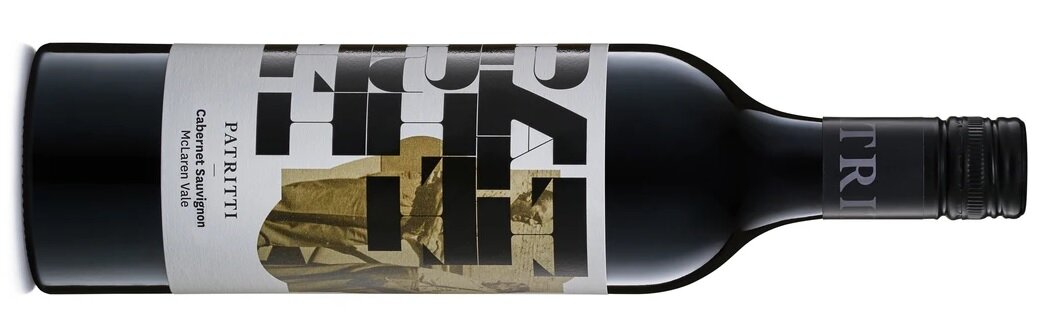
The Australian Wine Companion: “This is a fine example of a saline, robust maritime cabernet. It maximises the Vale's exposure to retain varietal typicity without the excess of examples from other warm regions: blackcurrant, hedgerow, plum, tapenade and a twine of sage and bouquet-garni-doused tannins, pliant and salty. The oak (25% new French; 75% seasoned French and American) is nestled into the fray nicely. The pH better tuned. The finish long and snappy.” 91 points
JancisRobinson.com: “Silver-green needles of cedar and capsicum and dawn-dew-cold-clenched laurel threads woven deftly through plush fruit that starts red-bleeding crimson and spills and spreads, bruising into the purple blues of cassis and bramble berries. Tarragon and chocolate mint throw cold but sensuous semi-colons between the effusively smooth glide of ripe rhapsody. Harp-lines of pale-green herbs. A wine that is trying to do nothing but cajole, entice and persuade you to be here right now, nowhere to go, all efforts at resistance abandoned. A Cabernet that is leaning into its place, its time, its space, not trying to be anything else and you can just feel that almost zen-like sinuosity. For the yoga practitioners out there, I would describe this as a Cab Bālāsana, in child's pose. Very Good Value. (TC).” 16.5 points
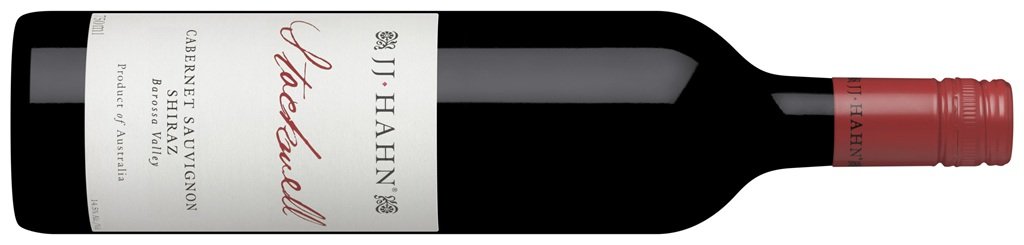
Very few Australian wines go under-the-radar, mainly because Ozzies are passionately patriotic and give their wines a fair shake of the sauce bottle, but this little ripper feels as if it inexplicably slipped past extra cover. Admittedly, we did get a great deal on it, because the shipper was bin-ending their inventory, so it would normally be about £25.00 a bottle (and very fair at that!). but at £19.95 it’s an absolute steal!
With a decade under its belt, it is in a really good place right now and will be in an even better place when it’s in a glass in front of you next to a char-grilled steak. On the nose, you pick up the Cabernet Sauvignon and its leafy cassis, as well as a little freshly milled black pepper courtesy of the Shiraz, and on the palate it is flamboyantly full-bodied, plump with fruit and tannins that are slowly mellowing away. 14% alc. Drink now -2036.
Press review:
The Australian Wine Companion: “Sweet dark fruit, currants and tobacco with a sprinkling of dried herbs and a rich fruitcake mix of aromas. Plenty of stuffing with firm tannins and some time ahead of it.” 91 points
Customer comments:
“The Hahn is delicious - and great value at that price.” - Mr J.M.

The ‘Violet Hour’ is a term that was coined by the essayist, Bernard DeVoto, to describe the period of transition from day to evening and the pleasures to be found in coming together for drinks (not to be confused with the ‘Violent Hour’, which comes shortly after closing time at Wetherspoons). I find it very evocative, a moment of impending change, from light to dark, bittersweet with promise and passing.
There’s a bittersweet quality to this Shiraz too, with its lustrous blackcurrant perfume and its darker notes of tobacco and cocoa nibs. On the palate, inky black cherry and damson are held in a supple, medium-bodied texture, with surprisingly light tannins and a mineral tension that keeps the wine vivid and succulent, more attuned to the northern Rhone than archetypal Ozzie Shiraz. Enjoy it during the hours when day slides gently into night, whatever they call that. 14% alc. Sourced from the ‘Rayner’ vineyard, planted in 1947 (named in the ‘Top 50 Vineyards in Australia’). Aged for 10 months in seasoned oak. Drink now-2036.
Press review:
The Wine Companion: “The value here has always been super keen. That’s as true as ever with this iteration from a cool year, typically lifted and fragrant but also with some serious import. A tick up from mid-weight, this is spicy and peppered ferruginous minerality, along with blackberry, dark cherries, tapenade, violet, cassia, bay, coffee bean and salted liquorice. Red berries swell up on the palate, with a thoughtfully woven skein of tannins underwriting its class. Excellent." 96 points
Bondar in a nutshell:
‘Winemaker of the Year 2024’ - Halliday’s Wine Companion (finalist)
Takes over the famous McLaren Vale ‘Rayner Vineyard’ planted in 1947
‘Young Gun of the Year 2020’ – Halliday’s Wine Companion (finalist)
Assistant winemaker at Alain Graillot in the Northern Rhone
Previous vintages reviewed by Halliday’s Wine Companion:
2022 vintage – 95 points: “This is a tremendous bargain.”
2021 vintage – 97 points: “Bargain bonanza.”
2020 vintage – 97 points: “One of the great bargains.”
Customer comments:
“A bottle opened this evening of the Bondar Violet Hour Shiraz. My years in the fine wine trade lead to only one comment: good juice. Perhaps even an exclamation mark thrown in. Certainly worth £25, if not 30 smackers.” - Mr P.E.
“Tried this last night. Remarkable how packed with fruits and flavours yet delivered with a light touch and freshness. My friends and I loved it and wish I’d ordered a full case. So please put me down on your list next time you get any!” - Mr J.G
“This is my new favourite winery!” - Ms. H.D.
“It’s a wonderful wine!” - Mr. P.E.
“Delicioso!” - Mr O.D.
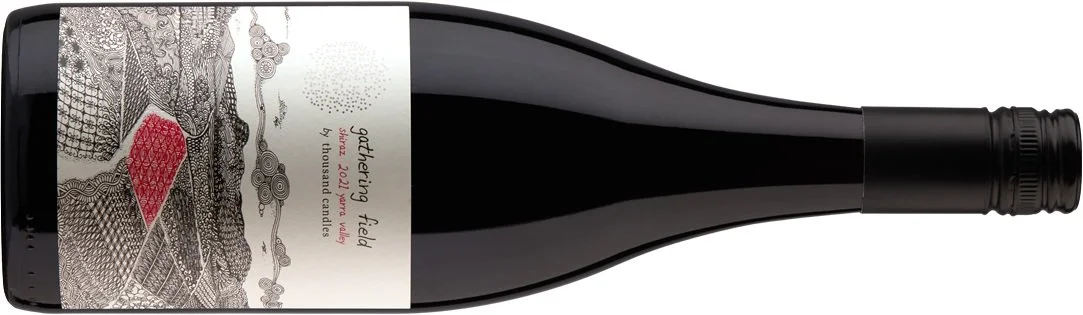
Not that long ago, if you were looking for an Australian Shiraz in the supermarket, you would leave the wine aisle and wander over to the aisle marked ‘Jams and Preserves’. Times have changed and nowadays the wines show much finer line and length. No longer are they the pimped up Cortinas of the wine world. They are E-Type Jaguars, with sleek flowing lines and stylish contours. Lower yields and earlier picking times have combined to ensure that the essence of a great Australian Shiraz isn’t lost, with lavish, hedonistic fruit still in abundance, but weight has been replaced by fruit intensity and over- ripeness has been replaced by the vibrancy of fresher, healthier grapes. This is a great example, lacking nothing in aromatic glamour, but brighter and cleaner on the palate than the bruisers of yore. 13% alc. Drink now-2032.
Press review:
The Australian Wine Companion: “Natural fermentation with 20% whole bunches, matured in older French oak. A super-bright crimson purple. Fully deserving of its gold medal at the 2022 Yarra Valley Wine Show, this opens with aromas of blackcurrant pastilles, boysenberries, black pepper, floral notes and a little charcuterie. Just as good on the medium-bodied, youthful and very well-balanced palate, which finishes with gently chewy, very fine-grained tannins and a little spice.” 96 points
“Wow, so much life and vitality! I would love to serve this blind to bordeaux-philes.” -JancisRobinson.com, 17 points
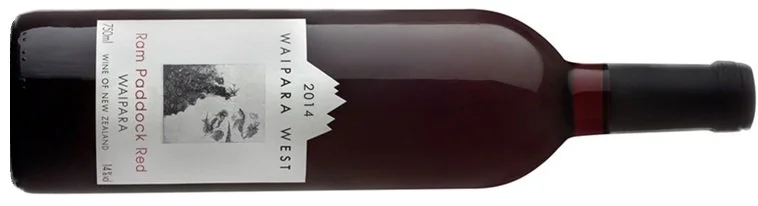
They say that you should treat a wine like a prince and let it speak to you first. There’s no other option with this wine, it can barely get the words out fast enough, stumbling over itself in its effusiveness and cheery outpouring of warmth and charm. The aromas practically knock you over, as they surge forward to greet you. It’s like a gorgeously ripe Pomerol, with the Cabernet Franc element giving it wonderful cassis lift followed by sweet black cherry, blackcurrant pastilles, undiluted Ribena and pencil case notes. There’s a boisterous swagger to the nose that settles down on the palate, leaving you with a wine that has a lovely pinch of fruit-soaked tannins to keep it in check and to make it presentable at the dinner table. The blend is 44% Cabernet Franc, 23% Cabernet Sauvignon and 33% Merlot aged in new & seasoned French oak for 15 months. The 2014 vintage produced tiny, thick-skinned berries that stayed on the vine late into the growing season, achieving wonderful aromatic ripeness. 13.5% alc. Drink now-2030.
Press review:
Tamlyn Currin for JancisRobinson.com : ”I did a bit of a double-take when I was opening this wine and saw 2014 on the head of the cork. I hadn’t actually clocked how old it was! It’s transparent but still has lots of ruby colour, and it smells, incredibly, of fresh berry fruit. I only sensed the age when I tasted it. And even then, wow, so much life and vitality! Here’s a 12-year-old New Zealand red that I think would out-youth a great number of bordeaux reds of the same age. The tannins have eased but still hold their shape and do their job with style and comfortable class, like an old, well-worn but beautiful kempt Chesterfield sofa. The rose-hip fruit is steeped in cigar-box spices flecked with forgotten petals of dried roses and hibiscus, pencil shavings and anise. I would love to serve this blind to bordeaux-philes. Drink now-2027. ” 17 points
International Wine Challenge: “Lovely expressive dark fruit and chocolate aromas with savoury and herb mint. The palate shows leather and sour cherry, with smooth tannins and a spiced finish.” Silver Medal
Customer comments:
“The Waipara is fascinating. I let it settle, so only opened it last night and I'll see how it evolves. Very rich and dense, as befits it's age.” - Mr J.H.
“Just opened the first bottle and it is lovely. Please can we order another 6 bottles?” - Mrs. J. T.

“A very fine wine that transcends expectations.” - The Australian Wine Companion, 96 points
A brand new, small-batch wine from the good folk at Gentle Folk. It’s a pure Sangiovese (the Brunello grape) from a rocky section of the ‘Charleston Turnbull’ vineyard in the Onkaparinga Valley, sourced from 26 year-old vines and vinified with destemmed fruit, spending about a year in both terracotta amphorae and a French oak barrel. It gets right to the heart of the Sangiovese grape, bringing out classic notes of sour cherry and warm tomato skins, as well as musky and floral elements. You can enjoy it now, but you can certainly stash a few away for a rainy day in the 2030s. 14.5% alc. Drink 2026-2040.
Press reviews:
The Australian Wine Companion: “A new addition to the Gentle Folk portfolio. Like the harmony and flow of precise choreography, this is an effortless, purposeful wine and commands pause. Potpourri and twig, sour red cherry and fired clay. Lessons in beauty and grace. But it is wilful; there is intent. The scent of watering the tomatoes in summer, dusk looming. Dried marjoram, oregano and soft leather. Powerful. The tannins are granular, complete and fine. We often talk about integrated structure in wine as a requisite for excellence, but this is something more fluid than a sum of parts integrated, it is metronomic balance. A very fine wine that transcends expectations.” 96 points
The Real Review: "Medium cherry red colour. Raspberry, red cherry, musk stick and crushed rose petal on the nose. Medium weight on the palate, a wonderful mix of red fruits with musk, rose and dusty earth all playing their notes in harmony as it flows along the palate. Tannins have classic Sangiovese grip but stay in time with the fruit, ensuring a great carry and final dryness. Will evolve further in the cellar too." 95 points
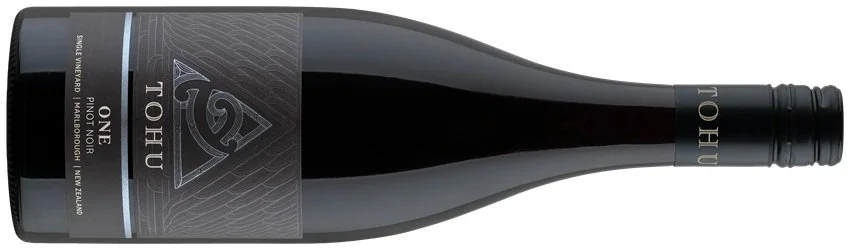
“Oh, wow! You brought a bottle of the Tohu ‘One’ Pinot Noir, I love that wine!” said my host.
“Actually, it’s not pronounced ‘One’,” I replied, “it’s pronounced ‘Oh-Neh’, as in the Maori word for soil or earth, as the vineyards sit on soils carried down from Mount Tapuae-o-Uenuku.”
“I see. Why don’t you sit next to Graham, he collects 19th century horse brasses, I’m sure you’ll get along well.”
This was our favourite Pinot Noir at the annual New Zealand trade tasting in London and, happily, it was far from the most expensive. It’s a really fabulous, single-vineyard Marlborough Pinot, but it feels more like a Central Otago expression, with its fuller body and its deep cherry and red plum fruit with gorgeous high tones of kola, sandalwood, blackcurrant pastilles, pomegranate molasses and candied orange rind. I can’t wait to drink it with slow-cooked beef brisket, especially the barbecued burnt ends. 12.5% alc. Drink now-2032.
Press Reviews:
Tamlyn Currin for JancisRobinson.com: “Fruit from a single vineyard called Whenua Awa Vineyard in the Awatere Valley. Hand-picked. Spontaneous fermentation. 13 months in French oak barrels. Unfined, unfiltered. If you tipped a spoon or two of Darjeeling tea leaves into a little tea pot, lifted it to your nose and breathed in deeply, then poured not-quite-boiling water over them, waited a little, lifted it to your nose and breathed in deeply, you’d be almost there. Put that lightly toasted slice of dark rye on your plate, lift it to your nose. Open the jar of homemade raspberry jam, smell it, spoon it on your toast. Pour your tea, no milk thanks. Tea-leaf tannins, tea leafiness; raspberries and redcurrants, tart and sweet; oak-toast and crunch. Such evocative aromas. Fine-boned but serious structure with tension rippling through the tannins. This would be beautiful with venison. Drink now-2031.” 17 points
Customer comments:
“Delicious so thank you very much for the recommendation!” - Mr. M.M.
“Highly recommended.” -The Wine Advocate, 96 points and highest-scoring wine in The Wine Advocate’s ‘New Zealand Report ‘ (of 146 wines reviewed)
“Only tiny quantities produced, so if you see it, snap it up quickly.” - Decanter
It’s a slightly deeper hue than you might expect from Marlborough, still translucent through the glass, but with a healthy dark cherry sheen to the colour. At first, the aromas are like wallflowers at a disco, with their back to the wall, afraid to step forward, but after 20 minutes they’ve cleared the dancefloor and are blaming it on the boogie. That slow unfurling is a sign of great Pinot Noir quality at the wine’s core, which doesn’t need to show all its moves at once.
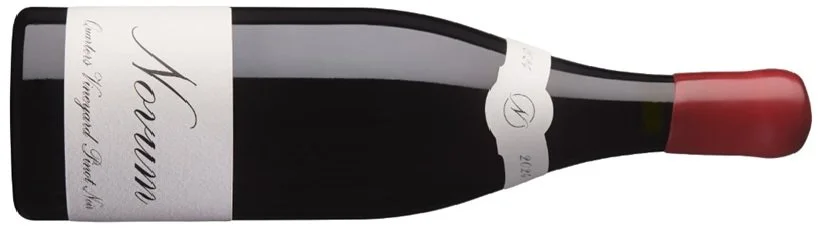
On the palate it has texture and depth, a beautiful inner perfume and the impression of a rich core of brambly, thorny fruit waiting to unfurl. It’s still young and is only stuttering towards the sort of eloquence you can expect in 2 or 3 years’ time, but there’s enough pleasure on offer now if impatience intervenes. The temptation is to compare any New World Pinot Noir to Burgundy, but this is so proudly and distinctly a New Zealand Pinot Noir that it makes more sense to compare it to its peers and I think it shows some of the silky, rich intensity of Felton Road’s ‘Block 5’ and the glamour of Prophet Rock’s ‘Home Vineyard’ Pinot Noir, both from Central Otago, which is where I would put the Novum if given it blind. Try it with crispy duck in tamarind sauce or dragon roll sushi or roast pork with prune and chestnut stuffing, because it can handle bold flavours. All of the fruit was destemmed, it underwent a wild ferment and was aged in 30% new oak. 12.5% alcohol. Organic & biodynamic (not certified). Drink now-2032.
Press reviews:
The Wine Advocate: “The 2024 Quarters Vineyard Pinot Noir is excellent. With an abundance of silky red fruits, baking spices, attractive tannins on the mid-palate and balance throughout, this wine comes highly recommended. It has great length too.” 96 points and Wine #1 in The Wine Advocate’s ‘New Zealand Report’ (of 146 wines reviewed)
Jamie Goode: “Direct and bold, but also floral, showing some nice green hints. Silky and sappy with nice acidity, and lovely presence.” 94 points
Decanter (previous vintage): “Made with 10% whole-bunch fermentation, fruit sourced about 60% from Quarters vineyard in the Brancott valley and 40% from the organic Settlement vineyard. Super-delicious, with layers of fragrant, inviting fruit, spice, earth and florals. An equally beguiling palate. Seamlessly melded, good concentration and length in a very calm and graceful wine. Only tiny quantities produced, so if you see it, snap it up quickly.” 96 points
Novum
Novum is the brainchild of Will and Rachel Hoare. Like all good stories, it sprang from adversity, when Will was kicked out of school for selling wine to his fellow students. A more sympathetic headmaster might have kindled that early sign of entrepreneurial spirit, but it was not to be the case. The prospect of becoming a drifter was never on the cards, so he dusted himself down and got a job at Cloudy Bay, where he spent a year on the bottling line before their oenologist, James Healy, saw something in him and invited him to join the wine-making team. It was at a time when Healy was turning his attention to Pinot Noir and he suggested that Will should expand his knowledge of that grape by spending the winter months in the northern hemisphere, so for 5 consecutive years Will went over to California and helped with vintages at Au Bon Climat, learning about the importance of soil and site selection from the inspirational Jim Clendenen.
On his return to New Zealand, he pursued his interest in small parcel selection by helping out at Fromm, who were the only winery in Marlborough focusing on single vineyards at the time. That short stint turned into a 19 year career, rising from cellar hand to general manager, before the call to do his own thing became too loud to ignore.
Will’s father had been one of Marlborough’s early pioneers, planting some of the first vines back in the 1970s, and the family became contract growers for many of the top wineries, developing an extensive knowledge of Marlborough’s best sites. They are still Cloudy Bay’s oldest growers. Thanks to his family’s network of contacts, Will grew up with his boots as deep in Marlborough’s soil as any aspiring winemaker could wish for, with an address-book filled with the names of all the important growers in the region, and has spent his career getting to know all the ‘sweet spots’ as he calls them: “We have learnt that the best fruit usually comes from just a small pocket of a good vineyard, due to soil type, microclimate etc. It might be just a few rows, the eastern side of a slope, or a rocky swale running through a vineyard site. Pinpointing these pockets takes additional time to sample and costs more to hand harvest, but in our experience, it is these tiny parcels of fruit that produce the most intense and interesting wines.”

“Stunning.” - JancisRobinson.com, 17.5 points
“Really compares well against much pricier Pinots by sheer intensity and quality of flavour.” - Richard Hemming MW
A real humdinger of a Pinot Noir from Geelong (pronounced Jia Long), a thriving wine region southwest of Melbourne. It’s deep and rich and silky, the sort of style you might expect to find in Central Otago (Felton Road springs to mind) with glossy black and purple berries and the warmth of sun-kissed plum skins with lots of fine detail in its layers of barrel-aged flavours (cinnamon toast, vanilla, ground spices). Unequivocally delicious even on day 2 and day 3 after opening. 13% alc. Vegan-friendly. Drink now-2036.
Press review:
JancisRobinson.com: “Long fermentation with up to 60% whole-bunch. Intoxicating scent that majors on the fecund herbal complexity of whole-bunch fermentation. Baking spices, rhubarb, cranberry and redcurrant. Utterly engaging – it retains light body but delivers outrageous complexity, from decomposing vegetal/beetroot funk to vibrant young fruit. Stunning. 13% alc. Drink now-2036.” 17.5 points
The Wine Companion: “From four separate vineyards in Geelong that all make single-vineyard wines as well! About 50% whole bunches and 50% new French barriques. A bright ruby garnet. Ultra perfumed with aromas of wild strawberry, musk sticks and spices such as cardamom and clove. Medium bodied and red fruited and with fine, silky and persistent tannins rounding out a wine that's already delicious yet will reward another five to seven years in the cellar.” 95 points
Customer comment:
“I tried the Lethbridge last weekend and really enjoyed it.” - Mr J.G.

There are certain rules to live by: Never play cards with a guy who has the same first name as a city, never dine at a restaurant with a thin chef and never trust a clean-shaven winemaker. Timo Mayer has one of the best beards in the wine trade, although he still has a long way to go to match Raul Perez or even Adi Badenhorst, but he looks as gnarled as his old vines and that gives a strangely reassuring sense of authenticity.
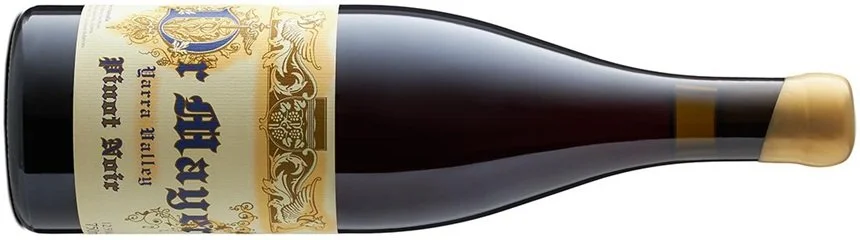
He makes this beautiful Syrah using whole bunches, i.e. without destemming, which brings a sappy, lifted freshness to the wine, which might otherwise follow the Ozzie norm and become a dark and chewy behemoth. Instead, it feels almost European, not wholly dissimilar to Jamet’s Cote Rotie, with morello cherry, blood plum, wet moss and a peaty hint, finishing with notes of chewing tobacco and white pepper. 13% alc. Drink now-2038.
Press review:
Australian Wine Companion: “Estate-grown fruit, 100% whole bunches and matured in seasoned hogsheads. Is this the best and most consistent wine in the Mayer range? Probably. It’s gorgeous with dark plum skins, black cherry, graphite, white pepper, a touch of freshly ground coffee beans and incense. There's just as much happening on the rich, heady but beautifully balanced palate. It's so, so drinkable now, but know that this will age superbly, too.” 98 points
“Just what the doctor ordered.” - Australian Wine Companion, 97 points
There is no shortage of characters in the world of wine and Timo Mayer is another colourful addition. He was born in Germany, where he still makes wine during Australia’s winter, but relocated to the Yarra Valley with his wife to pursue their viticultural dream. He owns a 6-acre plot called ‘Bloody Hill’ (so named because it’s so steep and hard to farm) and works with minimal interference in the winery and no fining or filtration. It's often said that wines reflect the character of the people who make them. This Pinot Noir is elegant, restrained and subtle and, as such, couldn't be less like the wild-bearded, gregarious and convivial Timo Mayer.
The ‘Doktor’ Pinot Noir comes from the warmest part of the aforementioned ‘Bloody Hill’ and undergoes a 100% whole-bunch fermentation before ageing in 1/3 new oak for about a year. Beautifully harmonious in its aromas and flavours with aromatic bark and violet top notes that weave their way through pure Pinot Noir flavours of cherry, redcurrant and raspberry, backed by the finest, chalkiest tannins. Sappy, jewel-bright and vibrant now, but with ages ahead of it. 13% alc. Drink now-2045.
Press review:
Australian Wine Companion: “Estate grown, 100% whole bunches, matured in seasoned hogsheads. Aromas of dark cherries, boysenberries, star anise, black tea leaves and last night's campfire at dawn. Medium to full bodied, this is savoury and rich on the palate. You barely notice the whole bunches. A cerebral wine that will need the best part of a decade to reach its apogee. Just what the doctor ordered.” 97 points

"The whole Valley was laughing at me, saying you can't do whole bunch Cabernet!" says Timo Mayer, who explained that he doesn't want to extract heavy tannins from his Cabernet, so he eschews new oak and ferments this wine using the technique of 'whole-bunch carbonic-maceration', which gives a soft extraction of flavour from the skins without the stalky, drying tannins that come from regular pressing-down and pumping-over. It makes for a hedonistic, silky wine, woven from delicate threads of blackcurrant, pomegranate, blueberry skins and purple petals - fabulously atypical for an Australian Cabernet. Timo's wines are now in huge demand and no one in the Valley is laughing at him now. 13% alc. Drink now-2040.
Press review:
The Wine Companion: “Cabernet from a north-facing slope on Hans and Anna Orth's vineyard in Coldstream. A combination of crushed fruit, whole berries and whole bunches. Matured in hogsheads (10% new). Fragrant with cranberries, boysenberries, plum skins, a little olive tapenade and well-judged florals from the whole bunches. Medium bodied, this juicy red is neither forced nor extracted and the sinewy, fine and long tannins are already in perfect harmony with the fruit. A delicious and atypical Cabernet.” 95 points
Vinous (previous vintage): "Brilliant violet. A heady and highly complex bouquet evokes fresh red and blue fruits, exotic spices, incense and vanilla. Stains the palate with vibrant bitter cherry, blueberry, spicecake, mocha and botanical herb flavors that become sweeter through the back half. Shows excellent clarity and floral lift on the youthfully tannic finish, which emphatically repeats the spicy note. The use of whole clusters (100%) really shows." 95 points

“One privilege of tasting and writing about wines selected for The Wine Companion is discovering a hitherto unknown winemaker, winery and/or wine that blows your mind. Now I mean no disrespect to wineries previously selected for ‘Best New Winery’, nor do i want to paint myself into a corner in the years to come, but people such as owner-winemaker Shaun Crinion of Dappled Wines come around once in a metaphorical blue moon.” - James Halliday, The Wine Companion
“A superb, minimal-intervention wine from Dappled” - Australian Wine Companion, 97 points
Before setting up Dappled, winemaker, Shaun Crinion, worked in California at Williams Selyem and in Burgundy at Domaine de Montille. His Pinot Noir ‘Sur la Crête’ is sourced from an organically-farmed vineyard on Red Hill at 179 metres above sea level on red volcanic soil, 30% whole bunch, minimal SO2, no other additions, unfined and unfiltered. 13% alc. Drink now-2033.
Press review:
The Australian Wine Companion: “A light and very bright crimson. Pure fruited and perfumed with its bouquet of wild strawberries, raspberries and rose petals, with the whole bunches barely detectable. An elegant and persistent mouthful with silky, persistent tannins boding well for the future. Another superb, minimal-intervention wine from Dappled in 2023.” 97 points

It takes a lot to rouse the UK wine trade, but when Jamie Goode referred to Koomilya as “the new Wendouree” it really pricked up its ears, because Wendouree is Australia’s most revered cult wine, whose bottles rarely make it to these shores and when they do, they are snapped up by collectors, and in Australia, they are only available to a lucky few on Wendouree’s mailing list. I have never even seen one, let alone tasted one. So, when Jamie made that bold comparison, the big sharks of the wine trade detected blood in the water and started circling. Little did they know, however, that Koomilya is only available via three minnows of the UK wine trade and Vin Cognito is one of them! As volumes are tiny (we only have 6 cases available), it made no sense for them to sell through the bigger fine wine brokers and we were extremely honoured to be chosen. So, with a little bit more ado...
Koomilya is the new project of Steve Pannell, who, when he was the head winemaker at Hardy’s, used to source Shiraz from this old McLaren Vale vineyard for the ‘Eileen Hardy’, Hardy’s flagship red, and even won the Jimmy Watson Trophy for a wine made from these very vines. When it came up for sale in 2012, he pounced and Koomilya was born. The oldest vines on the Koomilya estate date back 120 years (a gnarly old parcel of Mourvedre), but the two Shiraz plots are at least 80 years’ old (and equally gnarly). They are named after the original growers, so this Shiraz is called the ‘JC Block’, after Jill Cant, whose family have tended these vines for decades. It’s a glorious old-vine Shiraz made in the classical style, without any new oak and aged in large foudres, eschewing the modern preference for small barriques. As Jamie Goode says: “These are serious, old-school wines with incredible potential for development. Just as with Wendouree, they are not wines to crack in their youth, but instead need cellaring.” Drink 2024-2050. 14% alc.
Press reviews:
James Suckling: “This parcel is rich in limestone and ironstone and gives a bold delivery of ripe, glossy red and dark berry and plum fruit aromas and flavours. The plushness is so impressive, blooming with big flavours. Delicious and almost hedonistically fruited but precisely balanced. Concentrated and packed with fine, rich, smooth tannins. You can drink it now but try after 2025 to see more of what’s inside.” 99 Points
The Wine Front: “Earthy, saline, fragrant, deep, special. Liquorice, bramble fruit, walnut, spice, charcoal, dried flowers and herbs. Thick tanning rolling through the mouth, nori and lavender perfume, all the berries but not fruity, as such, powerful and stony, with chew and freshness on a superb long finish. And, indeed, it’s the length of flavour and presence that marks this out as a special wine. Outstanding. An Australian classic. Very long term.” 96+ points
The Australian Wine Companion: “There is so much to ponder across this Koomilya triumvirate that writing notes on wines that, in the words of Stephen Pannell, symbolise ‘a reclamation of Australian shiraz’, is a study unto itself. I adore this sentiment, because much in this country has become too big, too sweet and too challenging to drink, or conversely, overly reductive. Not here! The JC is comprised of 46yo vines on silty alluvials flecked with ironstone. Hand picked. Minimal messing. Jubey and floral. Pomegranate, persimmon, blue- and red-fruit allusions, hung game and ample Asian spice undertones. Best, the tannins! As with all of these Koomilya iterations! Here, a splay of moreish, detailed and utterly precise stitches, like imprints in calf-skin leather across the palate, serve as a weapon to combat any unwanted seam of sweetness. Superlative warm-climate Shiraz.” 96 points

“What a wine. It feels as if all of the Grenache that Pannell has made over the decades has been leading up to this point. It was worth the wait. ” - The Wine Advocate, 100 points
“Damn, this is a thing! Top Tier. Bravo.” - The Australian Wine Companion, 98 points
The Wine Advocate: “The Sunrise vineyard was planted in 1920. The 2022 Sunrise Grenache marks the first time this wine has been made and released. Steve Pannell pruned the vineyard himself prior to purchasing it in 2021. The wine here is silky and seamless, packed with tannin, flavour and perfume. "I didn't make it any differently [than the other Grenaches]; I've just let the vineyard sing," he said. And sing, it does. This is a wholly complex, complete and persistently long wine. There are notes of Boscobel rose, sweet licorice, graphite, ironstone and tobacco. What a wine. In terms of character, this combines the texture and complexity of the Smart vineyard and the ethereal spice and delicacy of the Little Branch and then raises the bar of both to a whole new level. The release of this Sunrise Grenache marks the arrival of an "off-leash Pannell"; he has been tirelessly championing premium Grenache from McLaren Vale for years in his own oeuvre of structure, shape, tannin and freshness. The acquisition of this vineyard site has given him all the permission he needed, it seems. In many ways, it feels as if all of the Grenache that Pannell has made over the decades has been leading up to this point. It was worth the wait. And there are great things to come in future releases too. Drink now-2052.” 100 points
The Australian Wine Companion: “From the Little Branch Vineyard in Blewitt Springs, this block of centenarian bush vines is warmed by the morning sun, with this their 99th vintage, though the first under Pannell ownership. Damn, this is a thing! You can look at the winemaking – destemmed, raised in a decade-old vat – to find why it is so different to other wines off this site, or to those from similarly sandy soils in the district, but you won’t find an answer. And nor should you. Primacy of place. It’s the thing. Nothing new, perhaps. But when it booms from the glass, makes you pause, sits you down in hushed silence... Well, that’s a thing. This does that. It’s impossibly deep and moody, intense, yet also not, with all the fragrant delicacy and detail of the great grenaches of today. Dehydrated cherry/cranberry, black cherry, ground dried orange peel, warm terracotta, sun-faded rose, bergamot tea, struck iron, heady Moorish spices. Barolo resonances. But individual. Utterly so. Tannins silty, chewy, complex, emphatic but not dogged. Another great Vale Grenache. Top Tier. Bravo.” 98 points