
Sparkling Wine
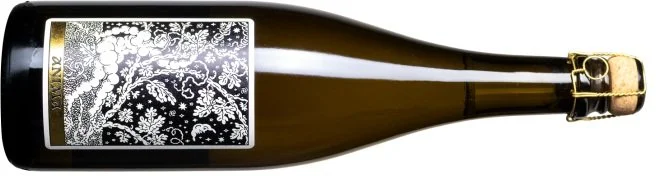
A gorgeous ‘pet nat’ made from Chenin Blanc, aged on its lees for 2 years, showing not only fresh fruit aromas and flavours of ripe peach and green pear, but also some feint hints of crumbled shortbread from the extended lees ageing. Fun and not entirely frivolous! 11% alc. Wild yeasts. Minimal sulphur (15 mg/l). Drink now-2030
Petillant Naturel
Also called méthode ancestrale (the original, pre-Champagne method), it involves only one continuous fermentation that completes in the bottle without added sugar or yeast, so there is no dosage.
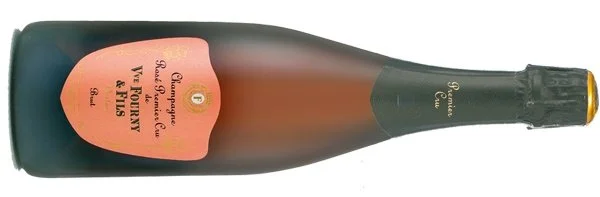
“In a word: sublime.” - The Wine Advocate, 94 points
Nothing lifts your spirits more than a glass of rosé Champagne and this is a dry and delicate Brut made from Premier Cru Pinot Noir and Chardonnay sourced from 40 year-old vines. As with all of Veuve Fourny’s Champagnes, they are proud to exhibit the quality of their fruit and they don’t attempt to disguise it behind a high dosage, so this is resolutely dry with only 6 grams per litre of residual sugar. 12.5% alc Drink now-2029.
Press review:
The Wine Advocate: “The NV Brut Rosé Premier Cru is fabulous. Rich, ample and beautifully resonant in the glass, the Premier Cru dazzles from the very first taste. Unlike the Blanc Premier Crus in this range, the Rosé has more body and textural intensity, all of which make for an absolutely compelling wine. I love the vinous intensity here. Orange peel, raspberry and kirsch linger on the Pinot-driven finish. In a word: sublime. Drink now-2028.” 94 points
JancisRobinson.com: “This deep-coloured, almost tomato-red champagne is so meaty and substantial and intense that it is first wine then champagne. It smells of red apple and bitter orange peel. It tastes of tamarillos and pitanga berries, tart raspberries, the citrus fragrance of telicherry peppercorns, cinnamon stick. Tiny tight bubbles buzz with tiny tongue-tingling voltage. It feels like running my tongue over old weathered stones. We threw it in at the deep end, pairing it with hokkigai marinated in ponzu with fresh coriander, spring onions, ginger and sesame oil, and this gorgeous wine went toe to toe, with casual grace, with all those game-changing ingredients. I’d love to try this with beef! (Tamlyn Currin). Drink now-2026.” 17 points
Vinous: “The NV Brut Rosé is a real stand-out. Deep, beautifully layered and vinous, the Rosé comes alive in the glass. Blood orange, rose petal, mint and cinnamon build in a compelling Rosé that marries richness and vibrancy. In a word: compelling. Drink now-2027.” 94 points
Decanter: "Veuve Fourny in Vertus is a specialist in turning out true Côte des Blancs rosés using Vertus Pinot Noir. This effortlessly pretty, fragrant non-vintage uses 13% red wine from the village, together with 40% Pinot Noir as blanc de noirs and 47% Chardonnay from reserve to craft a rosé perfectly poised between sweet red apple, cherry and nectarine fruits, an energising squeeze of Chardonnay citrus and subtle richness of sourdough toast and fresh nut. Joyous." 93 points

“So much more interesting than common-or-garden Champagne.” - Jancis Robinson MW
Drink this now, by all means, as it’s a delicious, pristine-fruited sparkling wine made in the style of a petillant naturel (i.e. fermented in bottle like Champagne, but not disgorged),but please stash a few bottles away too, as it’s a wine that ages phenomenally well, gaining weight and richness as it does so. Master of Wine, Jancis Robinson, recently tasted the 2009 vintage (12 years on) and had this to say: “Irresistible, stunning wine that held its own when tasted alongside Cristal 2013 and Krug 2008.” The current release is 2019 (although it’s not declared on the label, so we treat it as non-vintage), so based on my simple, back-of-a-postcard calculations, this should be at its peak from 2026 to 2032. 12.5% alc. Drink now (as an aperitif) or between 2028 and 2032 (as a richer sparkling wine to enjoy with food).
Titbit: Fans of the novelist, Julian Barnes, might be interested to know that this was chosen as the sparkling wine at the launch of his final novel ‘Departure(s)’.
Press Reviews:
Jancis Robinson MW: “Pale gold. Glorious Chenin on the nose. Toasty and tangy and dry on the end with more than a hint of Jurançon about it, oddly. But so much more interesting than common-or-garden champagne. Very Good Value.” 17 points
The Wine Advocate: “The NV Triple Zero, a sparkling Montlouis, opens with aromas of pear, peach, honey and white flowers. Moderately weighted, round and subtly sweet, it reveals a delicate mousse and a long, mouthwatering finish. Precise and elegant, this is a refined and beautifully crafted bottle.” 92 points
Tamlyn Currin for JancisRobinson.com: “I can't help thinking that Jancis may have under-scored this wine when she tasted it in April this year, especially as the wine has proven to punch way above its price bracket and age incredibly well. Sea shells and honey on the nose and a super-fine unfurling of bubbles – reminds me of the foam lines left curving across the sand when the hiss of a lazy wave has retreated back down the beach. Hints of honey and honeysuckle, quince and the soft spiciness of ripe pear. I would expect a triple zero (dosage, chaptalisation, tirage) wine to be pretty austere and formidable – most are – but this is exceptionally gentle. The Vin Cognito crew say this will age. I have two more bottles, so watch this space... Seems insanely underpriced. Very Good Value.” 17.5 points
Decanter (Natalie Earl): “A wine that manages to be both soft and vibrant, rich and mineral. An impressive feat. Bruised apple flesh and honeysuckle on the nose, with toasted brioche, walnut and green apple skin giving great complexity. Long on the finish with lovely acidity and a chalky texture. It's fun and incredibly drinkable but the complex varietal character of Chenin Blanc shines through. Old Chenin vines provide the fruit for this méthode ancestrale sparkling, which has had no chaptalisation, no liqueur de tirage and no liqueur de dosage added - hence the Triple Zero name. Spontaneously fermented, the wine is bottled before fermentation has finished, which is where it gains its bubbles. It's then aged on its lees for 24 months, lending depth and texture to this excellent value wine.” 93 points
James Suckling: “Comforting nose of apples, baked lemons, quince zest and some brioche, too. Medium body with fine bubbles and crisp acidity. Lively and agile with a mineral frame. Bone dry and bright at the center with weight. Flavorful and succulent finish. Drink or hold.” 93 points
Vinous: “The NV Montlouis-sur-Loire Triple Zero spends between two and three years on lees, lending a lovely richness to the mid-palate. It was bottled with no dosage, but picking later gave the wine balance and roundness‡no austerity or hardness. The Triple Z,ro is gently sparkling (bottles at 3 atmospheres rather than the usual 5-6 for champagne) with great clarity and precision. There,s excellent focus and tenderness here.” 92 points
Decanter Magazine (Jane Anson): “One of the world’s great-value sparkling wines, this is made from 100% Chenin Blanc grapes, from 50-year-old vines fermented with natural yeasts. Triple Zéro means no sugar added at any point – you get crisp, focused notes of citrus and peaches. Certified organic.” 92 points
Revue des Vins de France: “Souvent imité, rarement égalé, Jacky Blog produit le petillant naturel de reference à Montlouis sur Loire… Il affine ses bulles et cherche plus de precision à chaque millésime… Sa finesse es sa régularité en font la référence des pétillants naturels de Loire. La demande dépasse l’offre.” 18/20
English translation: “Often imitated, rarely equaled, Jacky Blog produces the reference natural sparkling wine in Montlouis sur Loire… It refines its bubbles and seeks more precision with each vintage… Its finesse and consistency make it the benchmark for natural sparkling wines from the Loire. Demand exceeds supply.”
Customer comments:
“Such a splendid wine! It punches well above its price tag.” Mr. A.I.
”It was gorgeous.” - Mr. V. S.
”I have just tried the Triple Zero and it is every bit as sensational as you have suggested! May I please have 6 more bottles as I am unlikely to be able to make the first 6 last as long as I probably should.” - Mr. A.K.
“The Triple Zero is as good as your write up, if not better!” - Mr V.G.
”I think it’s great!” - Mr. H.S.

“Lovely rich biscuit aroma, apple and herbal tea fruit. Rounded, long, with a lovely dairy character on the mid palate,” writes Richard Hemming on Jancis Robinson.com, awarding it the highest score of any non-vintage Champagne and equalling or outperforming the likes of Krug 2003, Dom Ruinart Blanc de Blancs 2004, Pol Roger Blanc de Blancs 2004, Veuve Clicquot 2004 and Louis Roederer 2006. A beautifully presented Chardonnay-dominant Champagne, that was vinified in small oak barrels, which adds textural richness to this opulent bottle of decadence. 12% alc. Drink now-2030.
Jancis Robinson MW: “100% Chardonnay from old vines, first-pressed must, vinified in wood, 18 months on lees in cask. No filtration, 4 years in bottle. Made 50/50 from two vintages, 2011 and 2012. Dosage 3 g/l. The R is Roger, the Fourny brothers’ father. Pale greenish straw. Dense and fresh with real class and interest. Linseed oil and excellent balance. Dry, appetising finish.“ 16.5 points
The Wine Advocate: “This is a beautifully precise, vibrant Champagne that emerges with attractive layers of perfumed, expressive fruit wrapped around a rich, creamy finish. The presence of red grapes and oak give the wine a level of depth and richness that deftly balances the intense minerality of Vertus and the house style.” 93 points
Decanter Magazine: "Expressive, citrussy, fresh and clean with mirabelle, greengage and bergamot. On the palate there is plenty of flesh, with a silky chocolate character. Maturing gracefully with great complexity."
Decanter Magazine Panel Tasting:
Michael Edwards: "A tribute to the late father of the two Fourny brothers. Pure Vertus (sourced mainly from Monts Ferres), this is partly fermented in oak, in Papa's style. Shows a powerful personality, yet has lift and a racy finesse." 17.5/20 points, Highly Recommended
Customer comments:
"I tried the R BV already and very much enjoyed it. Overall the Veuve Fournys are tremendous and very good value." - Mr M.S.
”The champagne was delicious (and such beautiful bottles!)” - Mr. B.T.

“The Brut Premier Cru is flat-out delicious. That's pretty much all there is to it.” - The Wine Advocate
Decanter Magazine picked this out as one their top Champagnes to try, saying: “From the village of Vertus, this spends three years on its lees with 20% reserve wine, and is all white flowers and natural ripeness. The low 6 g/l dosage brings a fine dry finish.” We think there’s a wonderful vibrancy and a daring nakedness to the fruit that awakens your tastebuds in the most appetising way, making it the perfect aperitif Champagne. Not a rich style, but very perky and refreshing without being shrill thanks to the ripe and beautifully balanced fruit and the judicious use of barrel-ageing. 12%. Drink now-2030.
Press reviews:
The Financial Times (Jancis Robinson MW):“50-year-old vines, a blend of about 65% 2020 with reserve wines from the previous three vintages. Delicate despite the oak influence. A very interesting combo! And a very well-judged blend. Gently rather than aggressively sparkling. Drink now-2030.”
Vinous: “The NV Extra Brut Nature Blanc de Blancs Premier Cru bristles with tension and energy. Lemon peel, crushed rocks, white pepper and jasmine lend striking brightness to this ethereal yet focused Blanc de Blancs. Bright saline notes punctuate the finish in style. The Extra Brut approach works so well in this bottling. Drink now-2028.” 93 points
The Wine Advocate: “The NV Extra Brut Premier Cru sizzles with tension. Lemon confit, green pear and exotic floral notes open first, followed by hints of tropical fruit that add striking inner perfume. Bright saline notes extend the finish effortlessly. The Brut Premier Cru is flat-out delicious. That's pretty much all there is to it. Drink now-2028.” 92 points
Decanter Magazine: “This cuvee is a great introduction to this small family house that specialises in Chardonnay. This wine offers richness but also subtle, white floral notes. It spent three years on its lees and was bottled with very low dosage. Very vinous with a nice mouthfeel. Great Price!” 17.75/20
Xavier Rousset MS "Veuve Fourny's Champagne often come out with high marks when I taste them blind. Under the radar for most of us, but worth highlighting and of course tasting."
Tyson Stelzer, The Champagne Guide: “Fourny’s mandate of purity and precision shimmers in lemon zest, grapefruit pith, fresh pear, crunchy white peach and granny smith apple of soap-powder brightness. Pristine fruit expression, wonderful concentration and refinement are upheld at every moment, propelled by the texture and depth of barrel-aged reserves, adding hints of roast nuts and a suggestion of anise. A long, soft, salty mineral finish speaks clearly of the terroir of Vertus.” 94 points
Customer Comments:
“Exceptionally good!" - Mr R.H.
“We tried the Champagne last night - perfect!" - Mr. J. B.
"Tried the V Fourny BdB - loved it! As did my wife." - Mr. G.C.
”I’m not usually a big fan of champagne as I find after the second glass it’s a bit acidic but I found myself drinking this champagne for most of the evening. It was delicious.” - Mr. J.M.
”Fabulous Champagne!” - Ms. S. M.
“We’ve just, popped the first bottle of Fourny and it is DELIGHTFUL!” - Mr. J. R.
White Wine

All the wines in our list come with a no “meh” guarantee. We don’t promise that you will love them all, but we confidently assert that you won’t find a single wine that makes you shrug your shoulders indifferently. This wine will raise an eyebrow at the very least, delivering a sunny splash of South-West France: zingy Sauvignon meets juicy Colombard in a rush of grapefruit zest, white peach and lemon sorbet. Crisp, carefree and wildly drinkable. It’s a real overachiever. 11.5% alc. Drink now – 2028.
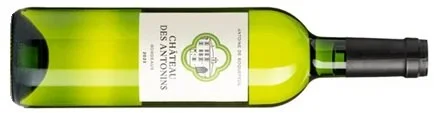
Some double-acts feel like they were destiny made manifest: Rodgers and Hammerstein, Lennon and McCartney, Hale and Pace. You could add Sauvignon and Semillon to that list, a pair of grape varieties who work together so well that they feel joined at the hip. In this Bordeaux Blanc, Sauvignon plays the lead role, bringing bright green-skinned fruits and a touch of shiso leaf, ably supported by the Semillon (20%), which adds tangy grapefruit and something sappy, that reminded me of a freshly trimmed hedge. The wine spent 30 days on its lees, undergoing regular batonnage, which accounts for the wine’s elegant texture and, for me, puts in the category of gastronomic white Bordeaux, rather than a simple, fruity apéritif. 12.5% alc. Drink now-2028.

A very decent white, which I hope damns it with just enough faint praise to keep expectations low, but high enough for you to give it a try. It’s a star-fruit-scented blend of 50% Macabeo, 25% Roussanne and 25% Grenache Blanc with white currant, citrus and honeysuckle flavours and needs to be served cold as its sole purpose is refreshment, not introspective scrutiny. We have plenty of other wines that will leave you breathless with wonder, but this isn’t one of them. Drink it with poulet et frites and an episode of ‘Call My Agent’. 13% alc. Drink now-2028.
Organic (certified), sustainable
Vegan
Press review:
Neal Martin (previous vintage) “A blend of 50% Macabeo, 25% Roussanne and 25% Grenache Blanc grown on schist soils and whole-bunch-pressed. It features wonderful citrus fruit mixed with chamomile and pressed white flowers on the nose, and the palate is beautifully balanced, quite phenolic in style, with a slight waxy texture. Wild peach and nectarine linger on the well-defined finish. Given that this was a measly 30 quid on the restaurant list, it is absolutely outstanding value.” 92 points
“Domaine Boucabeille is run by Jean Boucabeille, who has planted 23 ha (57 acres) of native forest around his 12-ha vineyard, built ponds and installed over 100 beehives. He doesn’t plough, to avoid damaging the microbial life in the soil, and doesn’t use machinery in the vineyard, in order to avoid soil compaction. The estate has been certified organic since 2008. Boucabeille also planted 650 cork oaks in 2016, with a view to producing their own corks, and in 2018 they installed a water-treatment plant so that wastewater from the winery can be used to irrigate the cork oaks and wash machinery. Winemaking is low intervention, with spontaneous fermentations. Boucabeille also plays the accordion. This might be considered irrelevant but for the fact that musical intelligence often goes hand in hand with a different way of thinking about and connecting things, of finding rhythms and resonance. Einstein was an accomplished violinist who used to solve some of his most difficult problems by playing the violin in the wee hours of the night. Boucabeille’s wines are four-dimensional and have heartbeat as well as incredible length, breathing the garrigue of their terroir through every sip.” - Tamlyn Currin for JancisRobinson.com

There are various collective names for the scented flora that grows in dry climates around the world. The Greeks call it ‘phrygana’, the South Africans call it ‘fynbos’, the Californians call it ‘chaparral’ and here, in the South of France, they call it ‘garrigue’, a heady cocktail of lavender, juniper, thyme, rosemary, sage and other Mediterranean plants that aromatise the hillsides. This white Cotes du Rhone is named in its honour and smells like an early morning walk through the hills, as the rising sun makes the herb-scented dew rise with the mist, while the palate tastes of pear, apple and green melon. It’s a lovely calm, elegant white that sees no oak, as the aim is to preserve all the fruit flavours. One of the least ostentatious whites on our list, but no bad thing for that, as it sits quietly with so many dishes and only speaks when it is spoken to. 13% alc. Drink now-2027.
Press review:
The Wine Advocate: “The medium-bodied 2022 Cotes du Rhone Le Bouquet des Garrigues Blanc was picked over approximately six weeks, beginning on August 10 with the Viognier and ending September 27 with the last of the Clairette Rose (the blend also includes Roussanne, Grenache Blanc and Bourboulenc). Scents of lime zest, pear and melon dominate the nose, while the palate is rather lean, with a zesty, focused finish. Drink now-2027.” 90 points
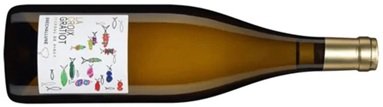
“Outstanding…taking Picpoul de Pinet to the level of fine wine!“ -JancisRobinson.com (Tamlyn Currin), 17.5 points
I say, I say, I say… when is a Picpoul de Pinet not a Picpoul de Pinet? When it is harvested 10 days later than the norm, spends 6 months on the lees, undergoes batonnage, and is aged in ceramic jars. Boom, boom! Geddit?! I’ll never understand why my career as a stand-up comedian didn’t take off.
This Picpoul de Pinet wasn’t made to be like most, it doesn’t “bite your tongue” (the literal translation of ‘Picpoul’), it’s much richer and broader in flavour and texture thanks to the winemaking choices of Anaïs Ricôme, who returned to the family domaine in 2009, after making wine in New Zealand, and trialled many different plots and vinification techniques, before landing on this single vineyard, called ‘Bréchallune.’ It’s a calm, elegant wine, closer in style to a Chablis, and would go beautifully with a piece of turbot with hollandaise sauce. 13% alc. Drink now-2035. Organic.
Press reviews:
Decanter (Natalie Earl): “Rich and creamy aromas, buttery even: popcorn, toast. Rich and weighty, oily in texture, yet with a dry finish that hints at salinity and bitter pith. Overtly leesy flavours. It will have fans.“ 95 points
Decanter (Heather Dougherty): “A slight earthiness extends from nose to palate, which is both broad and fresh. Lovely lees influence adds to the soft green herbs and lively fruit.“ 95 points
Decanter (Wieteke Teppema): “Citrus and yellow fruits on a full, textured palate with lees ageing evident; a touch lactic. Atypical, but very accomplished.“ 95 points
JancisRobinson.com (Tamlyn Currin): “This is my producer of the day. Another thrilling wine. Dry but honeyed, marmalade intensity and bitterness. Candied citrus peel, star anise. Curves and coils, but still etched. Long. Glowing. Outstanding. Kudos to importer Liberty Wines for finding this young winemaker, Anaïs Ricôme (who spent some time in New Zealand making wine before she came home to the family domaine). She is taking Picpoul de Pinet to the level of fine wine! Drink now-2030.” 17.5 points
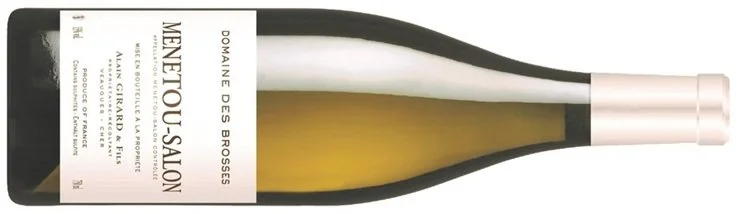
Menetou-Salon, for those who don’t know, is an appellation just down the road from Sancerre, where the same grape variety (Sauvignon Blanc) grows on the same soil (limestone) under the same sun. I have very fond memories of driving through France with my parents, and my dad would always stop at his favourite caviste and buy a couple of cases of Menetou-Salon, eschewing all the Sancerres on offer, in the hope that the shopkeeper would hold him in higher esteem than he did all the other Brits who would stock up on “good ordinary claret”, “a jolly reliable Macon” and “a flinty Sancerre”.
Domaines des Brosses do make a Sancerre, which goes for about £30.00 a bottle, but we much preferred this, their less expensive Menetou-Salon, which is crystal clear, zippy and mineral, fleshed out by greengage, lime and white melon and that signature nettle note that we always hope to find in a good Sancerre. I think my dad would approve. 12.5% alc. Drink now-2029.
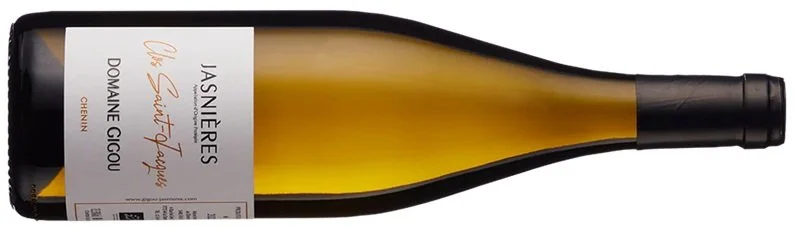
“Gigou’s Jasnieres ‘Clos St-Jacques’ – from very old vines – transports you to a world of considerable mystery and offers insights into why Jasnières was historically viewed as one of France’s grands crus.” – The Wine Advocate
One of the great perks of our job is to visit a winemaker, wander through the vineyards, learn about their philosophy, enjoy a spot of home-cooked lunch and conclude with a tasting of their wines. A wonderful perk, I’m sure you’d agree, but some bias must surely creep into one’s assessment of the wines. The less romantic, but arguably more clinical method, is to do it horizontally. No, madam, that is not what I mean! A horizontal tasting involves the side-by-side comparison of different wines from a particular vintage and that is how we discovered this absolute stunner.
We tasted around 150 Loire Chenin Blancs from the 2024 vintage, which included examples from Savennières, Saumur, Anjou, Montlouis and Jasnières, and the quality level was generally very high (e.g. Domaine des Baumard, Domaine FL, Chateau Plaisance, Domaine du Closel and Domaine des Sables Verts), yet this tall poppy was truly on another level and, as soon as we tried it, our pulse started racing, our pupils dilated and we recognised that old familiar feeling. Yes, folks, we were about to raise a purchase order.
Jasnières is a tiny appellation on the Loir, not the Loire, a small tributary about an hour south of the racing town of Le Mans. Very few people are familiar with it today, but it was the favourite wine of King Henry IV of France in the 16th century, so it has 500 years of history under its belt and the walled vineyard, ‘Clos St Jacques’, is the jewel in its crown. The vines are very old (averaging 70 years) and sit on a topsoil that is rich in silex (as you would more commonly find further east in Sancerre) above a tuffeau limstone bedrock, giving the wine a double-mineral turbo-charge.
If you need a reminder of what a ‘mineral’ wine tastes like, then do give it a try. It feels like the wine has found its way into the bottle via fissures in a rockface, over crumbled stone and tectonic ruptures, through flint split open with a pickaxe. That would make for a very austere experience if it didn’t have the balancing succulence of sweet fruit and, in-between the cracks, you may find yuzu, apricot, lime and greengage weaving their way through.
It was barrel-fermented (a costly exercise, but one that dramatically improves the way that the oak is integrated) then aged 50% in foudre and 50% in smaller format oak, with the barrels varying in age from 2 to 6 years. All of these little details add layers of flavour complexity that are seldom found in a wine priced at £23.95 per bottle, so we think it’s an absolute steal! You can drink it now, but like all great Chenin Blancs, it has the capacity to age at least 10 years from vintage. There are more fashionable Chenin producers from the Loire than Gigou, and maybe the likes of Thibaud Boudignon and Richard Leroy make arguably finer examples, but for sheer exuberance and flinty excess, we wouldn’t swap this one. 12.5% alc. Drink now-2034. Organic.
Press review:
Tamlyn Currin for JancisRobinson.com: “Sweet woodruff, honey, lanolin and pears. While Mabileau’s Chenin tasted like the gods were at war over the firmament, Gigou’s Chenin tastes like the dryads are holding a Spring flower festival in a wild meadow around a stone circle. It’s so damn pretty but also, beware, bewitching. The honey (light, redolent with acacia blossom) and pears (golden skins, dripping, a little raspy) are framed in herbs so perfumed and intoxicatingly pungent that I am sure they’re used for spells. The energy at the heart of the wine is tiny but fierce, as if the dryads harnessed a bee to power the light that fills every liquid-sunlight molecule of this wine. Wild orange on the finish. And then the stones. Stones on the finish. Flowers growing out of the stones. Good Value. Drink now-2034.” 17.5 points
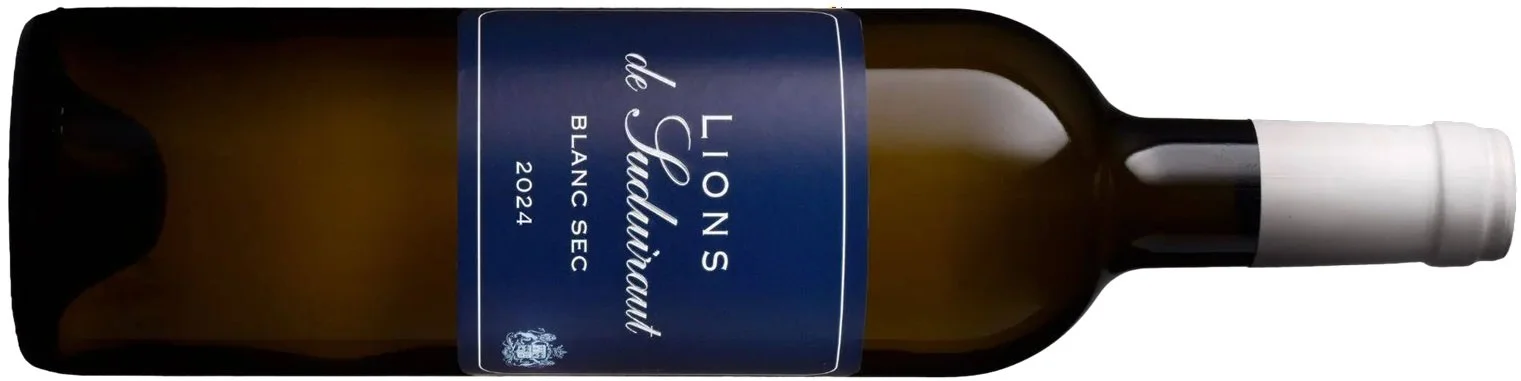
“Exciting and lively. A real success for immediate enjoyment.” -Jancis Robinson MW
“The 2024 Blanc Sec Lions de Suduiraut is fabulous.” - Antonio Galloni, Vinous
The last time the words ‘Bordeaux’ and ‘bargain’ were found in the same sentence was when Henry II married Eleanor of Aquitaine and she mentioned that the dowry included a sizeable chunk of western France. However, we think we’ve found something of a Bordeaux bargain here, a dry white from Chateau Suduiraut, most famous for making one of the great sweet Sauternes, but their ‘Lions Sec’ is a dry, barrel-aged blend of Semillon (56%), Sauvignon Blanc (29%) and Sauvignon Gris (15%), which shows the lemongrass, sage and cut lawn aromas of the Semillon, the citrus notes of the Sauvignon Blanc and the cedar and sandalwood effects of the 10% new oak. With its stylish packaging and elegant flavours, this is my go-to white whenever I’m invited to a dinner party. 13% alc. Drink now-2030
Press review:
Vinous: “The 2024 Blanc Sec Lions de Suduiraut is fabulous. Intensely aromatic and deep, the 2024 is so impressive right out of the gate. Orchard fruit, white flowers, sage, mint and tomato leaf race across the palate, framed by brisk acids that pull it all together. Drink now-2030.” 92 points

I will always remember this wine, not for its special attributes, of which it has many, but because I had just taken a sip of the new vintage and was swirling it around my mouth in quiet contemplation, when Lucia announced that she was expecting a baby girl! I made a sort of squealing sound, widening my eyes to convey excited surprise and to buy time until I could swallow it, which I did as quickly as possible, before offering my congratulations, although I did let it linger for an extra second, noting the excellent minerality on the finish.
It’s an absolute beauty, sourced from various plots of Chenin Blanc around Saumur, with different top layers of soil (sand, clay, limestone), but all with volcanic tufa as their bedrock, bringing a real sense of earthy, pumice-laden minerality to the wine (if you like the white wines of Bernhard Huber, you will find a kinship here).
It spent a year in both new and old oak, and, unusually for a Loire white, underwent malolactic fermentation, to add complexity and to mollify the wine’s natural acidity. We found notes of struck rock, pear skin, kumquat, grapefruit and smoky, wispy cordite. It has a very ‘natural’ feel to it, as it’s as much about the soil as the fruit, but before you channel your inner Jay Rayner, it’s absolutely pristine clean. If your impression of ‘natural wine’ is cloudy cider, then this will recalibrate your bias by several orders of magnitude. 12% alc. Minimal use of SO2 only at bottling. Lightly filtered. Incidentally, their neighbours are none other than Clos Rougeard. Drink now-2029.
Press review:
Vinous (previous vintage): “The 2023 is an oaked style (aged in 40% new wood), almost Burgundian with toasty notes alongside reductive smoky bacon aromas. The team use lees to build texture in this light-bodied, finely-textured Chenin. It displays plenty of energy and citrus flavours. A little more concentration of fruit would be amazing, but the oak is of really nice quality.” 90 points

There’s some kind of weird nominative determinism going on in the tiny village of Calce. It is home to some of the most mineral white wines in the south of France, made by the likes of Jean-Philippe Padié, Domaine Gauby and Olivier Pithon, wines that seem to have a seam of limestone running through them, which is strangely echoed in the name Calce, which comes from calcium… chalk… limestone. This stunning blend of Grenache Gris and Macabeu tastes like it has been filtered through white rock, with citrus and broken slate to the fore with a satisfying depth of white-fleshed stone fruits. It has that wonderful French knack of expressing the nature of the grape, the vintage and the soil too, pinpointing it in time and place, which is probably what they mean more succinctly when they just say terroir. 12.5% alc. Drink now-2029.
The grapes come from selected plots on steep slate terraces, 15 miles west of Perpignan. The Macabeu vines are now up to 75 years old and the vineyards are cultivated biodynamically. The yield is low at 15 hectolitres per hectare and the harvest is done manually. Fermentation and aging take place over 10 months, partly in barriques and partly in 600-litre wooden barrels called "demi-muids". Annual production is 8,400 bottles.
Organic. Biodynamic.
Press review:
The Wine Advocate (previous vintage): “Light to medium-bodied, with a saline-quinine quality to its notes of lime, underripe pear and green apple. Brisk and refreshing, it would work best as an apéritif or shellfish accompaniment.”
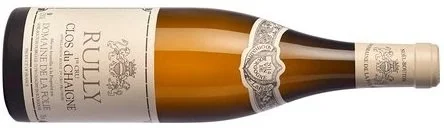
“I have waxed lyrical about this Rully producer for several years now. I always make a beeline for their wines on Burgundy restaurant lists. They are beautifully crafted wines that transcend their status.” - Neal Martin, Vinous
Keenly-priced for a Premier Cru white Burgundy, this comes from a walled vineyard at the northern end of the appellation, opposite one of Rully’s top sites, Le Clos St Jacques. It pours a pale silver-gold colour, suggesting luminescence and it tastes of sunlight and citrus, a little nutty warmth from its time in barrel, and that classic Burgundian paradox where lemon and single cream intertwine without curdling. 13% alc. Drink now-2029.
“Folie’s history dates back 300 years, but the recent renaissance at this Domaine is thanks to Clémence and Baptiste Dubrulle. It was Clémence’s grandfather who made the wines famous in the Sixties and Seventies and, after a prolonged slump, they are back to stellar form!” - Matthew Jukes
Press review:
Vinous (Neal Martin): “The 2022 Rully Blanc ‘Clos de Chaigne’ 1er Cru comes from the parcel equidistant between Rully and Bouzeron at the limit of the appellation. Its marn rouge soils are apparently uncommon in this locality (more common in Corton). The main part of the alcoholic fermentation takes place in barrel, where it matures for 15 months. The lifted bouquet is very aromatic, with white flowers and light praline orchard fruit scents. The palate is marked by a fine bead of acidity, keeping this Rully Blanc on its toes and delivering real complexity and purity on the finish. A very seductive Rully - keep a second bottle handy - you'll need it. Drink now-2035.” (91-93) points

This a really exciting new wine from Domaine Bernard Moreau, sourced from some of the best parcels in Saint Aubin and priced very keenly for a Premier Cru white Burgundy from the small-but-perfectly-formed 2020 vintage. It has real poise and balance and a classical feel, with the fruit concentration, the acidity, the oak influence and the mineral aspect all in perfect harmony. It has everything we look for in a white Burgundy and, what’s more, it’s almost exclusive to Vin Cognito (only one other UK merchant received an allocation, as 2020 yielded such a tiny harvest). 13% alc. Drink now-2028.
Organically farmed

Sylvain Dittière has worked at some of France’s top domaines, most notably Clos Rougeard, the cult Saumur estate, which has since informed his own style of wine-making (long ageing on the lees, no racking, no malo for the Chenin Blanc). The lieu-dit ‘La Perlée’ is a Chenin Blanc of the most serenely elegant kind, pure and mineral on the flinty nose, revealing beautiful lemon oil aromas as it opens. On the palate, it is fleet of foot, thanks to the modest 10.5% alcohol content, dancing its way to a finely-tuned finish, where the acidity just tinkles the fruit like the wind on a wind-chime. It was aged in an ancient troglodyte cave, where the temperature barely fluctuates, creating the perfect environment for long ageing on the lees. The (used) barrels were bought from from Haut Brion and Clos Rougeard. 60-90 year-old vines. 10.5% alc. Drink now-2034.
“Sylvain Dittière’s wines are very much sought after and don't need any scores as they sell that quickly.” - The Wine Advocate
Ok, then, we won’t publish any scores.

The word “ouillé” in the name of this wine means that the barrels were topped up with more of the same wine when the levels started to drop through natural evaporation, as is common with conventional white wines. It is to distinguish it from the ‘oxidative’ style of white wines that you find in the Jura, where the level is deliberately allowed to drop and a thin veil of yeast covers the surface, giving those wines their famous nutty, yeasty, salty flavours. We’re not brave enough for those wines, we prefer the “ouillé” style, which is so-called, because whenever people taste it and realise it’s not the oxidative style they say “Ooh yay!”.
Stéphane Tissot has produced a dazzling 2022, bristling with energy and intensity. Aromas of grapefruit peel, charred lime, preserved lemons and white flowers lead to a palate full of tang and verve. It’s a full-flavoured Savagnin, to be enjoyed with adventurous friends, bold dishes and/or strong local cheeses. 13.5% alc, Drink now-2030.
Press reviews:
The Wine Advocate: “The bottled ouillé 2022 Savagnin from Arbois, of which I had tasted some components the previous year, contains wine mostly from Trias clay soils, vinified, aged and bottled without added sulphur. It's ripe without excess, quite fresh and balanced for the year, coming in at 13.5% alcohol and displaying a yellow, almost fluorescent colour. It's open and expressive and reveals varietal notes, mixing citrus, yellow fruit and some herbal notes and a hint of white pepper. Drink now-2032.” 94 points
Vinous: “The barrel sample of the topped-up 2022 Arbois Savagnin evokes fragrant lemon peel, yellow apple and dried blossom. Focused and tight on the medium-bodied palate, the 2022 strikes a remarkable balance between flavour concentration and zesty acidity. Drink now-2032.” (91-93) points
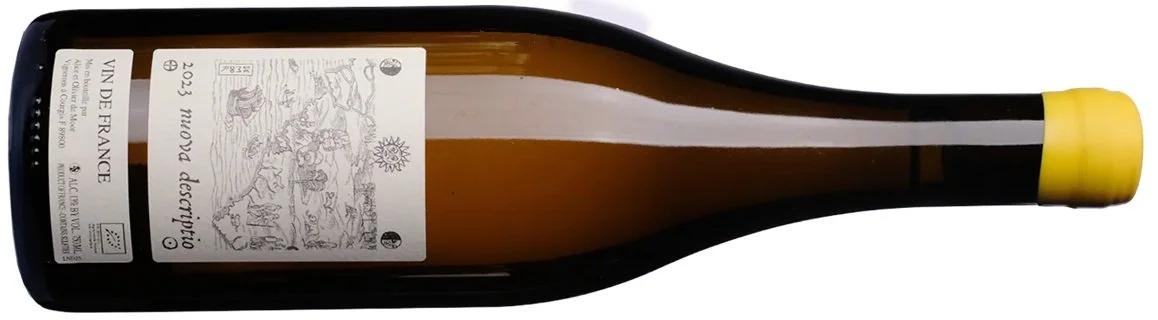
“The 2023 is very fine.” - Neal Martin, Vinous
In my family, if we are about to say something unbelievably dull, we precede it and conclude it with a noise that sounds something like a nasal foghorn. It’s hard to spell in a way that is phonetically accurate, but it would be something along the lines of “Phnoooar.” It tells the listener that they aren’t obliged to comment or react in any way, it is simply information that the speaker needs to get off their chest.
“Phnoooar.” This wine used to be called ‘Sans Bruit’ and was made from 100% Sauvignon Blanc sourced from vineyards around Saint Bris, the only appellation in Burgundy that permits the use of Sauvignon Blanc, but they used a few grapes from outside the appellation, meaning they couldn’t call it Saint Bris, so although it was a Saint Bris in all-but-name, they played on words and called it ‘Sans Bruit’. However, in 2023, the De Moors decided the wine needed some extra dimension and included 20% Chardonnay and 20% Bourgogne Aligoté, as well as partial ageing in amphora, so it was no longer a Saint Bris in either name or nature and they changed the name to ‘Nuova Descriptio’, meaning new name. “Phnoooar”
Are you still there? It’s a truly beautiful wine with only one drawback, which is that we can’t get nearly enough to satisfy demand, hence the annoying restriction below. It has flavours of star fruit, white pear, peeled green grapes, cold wax and a hint of kumquat bitterness, yet sweetly succulent whilst pierced by the sort of northern climate acidity that needed to be perfectly judged by an experienced pair of secateurs. As with all of De Moor’s wines, there’s a sense of chipped stone minerality that recurs like a leitmotif as it opens up. 13% alc. Drink now-2032.
Press review:
Vinous (Neal Martin): "The 2023 Nuova Descriptio is a worthy follow-up to the fine 2022, with beeswax, nettle, loam and gooseberry aromas that blossom in the glass. The palate is well balanced with a waxy texture. It's quite resinous and reminiscent of Goisot up in Saint-Bris. Touches of lanolin flourish on the finish. The 2023 is very fine. Drink now-2030." 91 points
EXTREMELY LIMITED. MAXIMUM 2 BOTTLES PER CUSTOMER. NOT AVAILABLE ON ITS OWN, MUST BE PART OF AN ORDER THAT MEETS OUR MINIMUM REQUIREMENT OF 6 BOTTLES. UK MAINLAND ONLY.
Rosé Wine

“A serious wine with length and structure — far better than the average supermarket rosé.” - The Spectator
“This is worth hunting down.” - The Wine Advocate
“Has more about it than most pink wines from Provence.” - Jancis Robinson
As many of you who have bought this wine before will know, this rosé is the result of a collaboration between two superstar Burgundy winemakers, Aubert de Villaine of Domaine de la Romanée-Conti, and Jacques Seysses of Domaine Dujac. Given the renown of these two bona fide wine legends, it almost beggars belief that the wine sells for as little as it does. It’s everything we love about Provençal rosé. It’s dry and delicate, but it has texture and is discreetly concentrated, so the flavours spread evenly across the palate and don’t finish abruptly or want for depth. We found hints of dusty rose, grenadine, white cherry and peach, perked up by a little tickle of blood orange. The grapes are harvested at night so that they remain cool upon arrival in the winery. Pressed after a few hours of skin contact. Fermented at low temperature until fully dry. 12.5% alc. Drink now-2028. Organic.
Burgundian legends Aubert de Villaine and Jacques Seysses established this domaine in 1989, because they say they wanted to explore the potential of the South of France. It assuredly had nothing to do with wanting to feel the warmth of the sun on their back and to sleep better at night without fretting about frost and hail and coach-loads of tourists stealing their grapes (if you have been to Burgundy, you will have witnessed how easy it is to trespass on famous vineyards like La Tâche and pick a few grapes… apparently). Their attention turned to a vineyard in the Var region, east of Aix-en-Provence, west of Cannes, attracted by its gently sloping hillside with its perfect southern exposure, its cool microclimate and its clay and limestone soils ideal for viticulture. They named the estate ‘Triennes’, a reference to Triennia, the festival in honour of Bacchus, which took place every three years in Roman times.
Organic (certified)
Press review:
The Wine Advocate: "Mostly Cinsault alongside Grenache, Syrah and Merlot, it exhales a fresh, delicate bouquet with aromas of red berries, lemon, pomegranate, wild strawberry and spices. Juicy, fresh and perfectly balanced, with a delicate, sappy texture, it’s long with mineral acids, iodine notes and a penetrating, mouthwatering finish. This is worth hunting down.." 91 points
Customer comments:
”Had my first bottle last night, such a splendid wine! " - Mr. Z.I.
”I thoroughly enjoyed the rosé; in fact I thought it was as good as I have tasted and reminded me of those heady days in the Languedoc.” - Mr. T.M.
“We have really been enjoying the rosé!” - Ms L.P.
”Just tried the Triennes last night and it is astonishingly good. Normally I tend to turn my nose up at Rosé but it would seem that I have been drinking the wrong Rosés!” - Mr. J.F.
”We loved this one - please could we have 12 more?” - Mrs. A.B.
”Fabulous!” - Mr. G.D.
”Delicious! Any chance of another case?” - Mr. A.B.
”Really enjoying the Domaine de Triennes Rosé!” - Mr. R.L.
”Wonderful stuff and just tooo easy to drink in the sunshine!” - Mr. G. D.
”I haven’t tried it yet but it got a massive thumbs up from my wife.” - Mr. A. P.
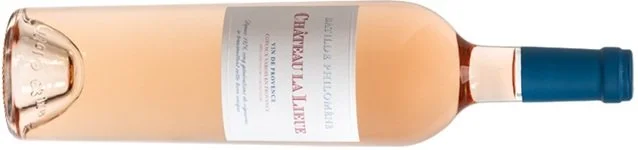
“I cannot believe a Provence rosé this good is this cheap!! Very Good Value.” - Tamlyn Currin, JancisRobinson.com
Delight in the deliciousness of our new rosé discovery, although they have been making wine here for 5 generations (since 1876), so it’s a bit like Christopher Columbus ‘discovering’ America. This is Chateau La Lieue’s top cuvée, but thanks to some fine negotiating by Lucia, which would have won her a ‘World Series of Poker’ bracelet, we are able to offer it at the same price as their entry level rosé.
It shows pink grapefruit, red cherry, strawberry and just a hint of chalky grip thanks to the calcareous soils on which the vines grow. The succulent core of fruit provides a little more texture than you will find in their entry-level rosé, so this would hold up well to a Moroccan tagine or a Lebanese kibbeh, the sort of flavours that would overwhelm a more timid wine. Winemaker, Julian vial, calls it a “gastronomic table wine”. 12.5% alc. A blend of Mourvèdre and Syrah, harvested at night to retain freshness. Drink now-2029. Certified organic.
Press review:
Tamlyn Currin for Jancis Robinson.com: “Unexpectedly robust in flavour for a pale rosé from Provence. Rose hips, kumquats and lemon-soaked strawberries tumbled in with teeny, platinum-shiny marbles of minerality. So much fruit yet without a smidgeon of sweetness. Delicate pickled galangal spiciness. Proper, grown-up rosé complete with body and soul. I cannot believe a Provence rosé this good is this cheap!! Very Good Value. Drink now-2028.” 17.5 points
Customer Comments:
“Emm loves the Ch. La Lieue rose. Top marks!” - Mr A.W.
“No surprise on the points. By far the best rosé of the year!” - Mr P.C.
“It is indeed a very nice wine. Having drunk 6 of my original 8 already. Can i order another 8 please?” - Mr. J.P.
“Quick note to say you guys did not oversell that Cuvée Batilde Philomène rosé.... great wine, even more so for the money!” - Mr D.C.
“Loving the new rosé…especially in this weather!” - Mr. R. M.
“That rosé is lovely - definitely got something to it rather than just wet and pink!” - Mr. P. R.
“Delish rosé!” - Mr. M. T.
“This rose is lovely. Thx.” - Mr K.D.
“This stuff is so good!! The best rose I’ve come across in years. More please!” - Mr. A. S.
“Enjoying the first case you delivered: can I have another 12 bottles, please?” - Mr R.H.
WE’RE RUNNING LOW… AGAIN!
Red Wine
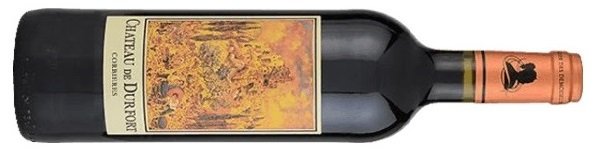
Brimming with southern French warmth and personality, this luscious Corbieres is a blend of Syrah and Grenache Noir aged for 14 months in French oak and offers a rich nose of dark berries, currants, liquorice, sweet woody spices and dark chocolate. Drink it with rustic dishes, like ossobuco, boeuf bourguignon, coq au vin or Chinese duck with hoisin sauce. 14.5% alc. Drink now-2029.

This is one of the best bargains from the Roussillon we have tasted in a long while. Mostly Mourvedre this year with supporting roles played by Syrah, Grenache and old vine Carignan. Ample, but not hefty, and surprisingly lithe, it shows juicy black cherry and red-fleshed plums accentuated by garrigue herbs, dried bark and paprika. Impressively silky tannins for a wine at this price, suggesting some real expertise in the cellar. It finishes with a kind of smoky sweetness, if that makes any sense, as you might find with chargrilled red peppers or baked cinnamon. It would be great with a barbecue or middle eastern food. 14% alc. Drink now-2028.
Organic (certified), sustainable
Vegan
“Domaine Boucabeille is run by Jean Boucabeille, who has planted 23 ha (57 acres) of native forest around his 12-ha vineyard, built ponds and installed over 100 beehives. He doesn’t plough, to avoid damaging the microbial life in the soil, and doesn’t use machinery in the vineyard, in order to avoid soil compaction. The estate has been certified organic since 2008. Boucabeille also planted 650 cork oaks in 2016, with a view to producing their own corks, and in 2018 they installed a water-treatment plant so that wastewater from the winery can be used to irrigate the cork oaks and wash machinery. Winemaking is low intervention, with spontaneous fermentations. Boucabeille also plays the accordion. This might be considered irrelevant but for the fact that musical intelligence often goes hand in hand with a different way of thinking about and connecting things, of finding rhythms and resonance. Einstein was an accomplished violinist who used to solve some of his most difficult problems by playing the violin in the wee hours of the night. Boucabeille’s wines are four-dimensional and have heartbeat as well as incredible length, breathing the garrigue of their terroir through every sip.” - Tamlyn Currin for JancisRobinson.com
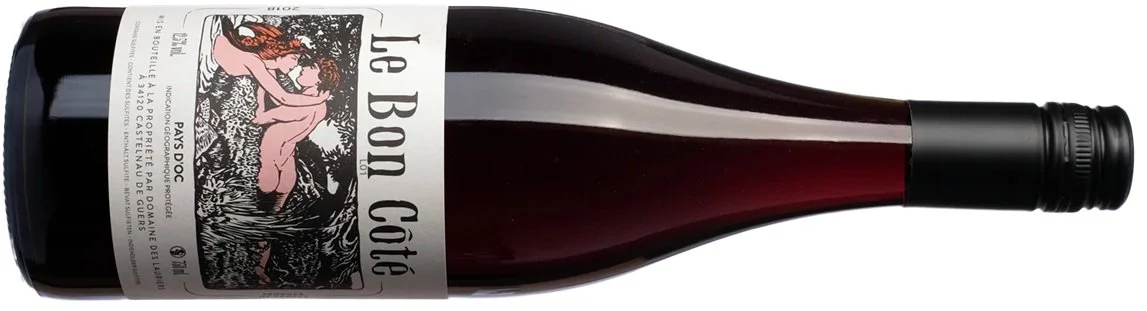
This might not be what you expect from a Languedoc red made from Syrah, Grenache and Cabernet Sauvignon, grapes which can gang up on your palate if you let them run riot, but here they have been calmed and cajoled into something altogether more supple, soft and easy. It’s a lovely moreish red, weighted more like a Pinot Noir, but with a sunny Mediterranean disposition and flavours of strawberry ripple, soaked cherry skins, bell pepper and sage. Perfect for barbecues and picnics (unless you hate picnics as much as I do!). 12.5% alc. Drink now-2029. Terra Vitis certified.
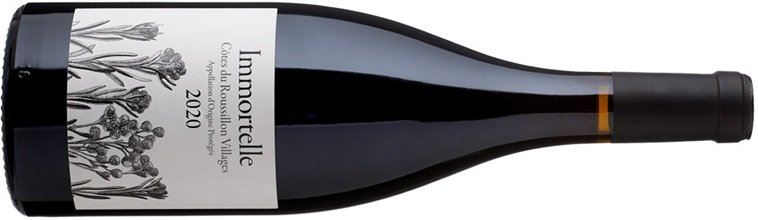
It’s a criminal offence to impersonate a police officer, but it seems like it’s one rule for the police and another rule for everyone else, because this wine is blatantly impersonating a Chateauneuf-du-Pape, yet without any legal repercussions. It’s two-tier policing at its worst!
Immortelle 2020 is a blend of Syrah, Carignan, Grenache and Mourvedre (classic Chateauneuf-du-Pape disguise paraphernalia) and wafts from its dark and inky depths with aromas of blackcurrant pastilles, violets, boysenberries and liquorice, taking on the appearance of a full-bodied, broad-shouldered, old-vine Chateauneuf-du-Pape. In fact, to add credibility to the con, they added a smattering of grapes from vines that are over 100 years old, which shows an almost unnecessary degree of commitment to the fraud. So, while you are enjoying this wine with a roast dinner and patting yourself on the back for only having spent £17.95, don’t say we didn’t warn you! 14.5% alc. Drink now-2036

“Really rather beautiful for the money.” - Jancis Robinson MW
Jancis Robinson MW: “Deep crimson. Very intense and beautifully integrated. Velvety and very right bank but without excess. Really rather beautiful for the money. Fruit/tannin/acid balance is just right and there is still considerable potential for development. Very Good Value. Drink now-2029.” 16.5+ points

I wish it to be known that I loved this wine before realising that I had been to the domaine many years ago, otherwise you might accuse me of confirmation bias, because it was the first vineyard I ever visited with my daughter and she still has the sunflower seeds that she harvested in a little keepsake box. So, this is not the product of golden summer memories, but of rigorous, dispassionate, sterile research.
Beautiful tangy cassis, balanced by the sweetness of black cherry, which gives the wine a fleshy core, with underlying notes of pencil lead and sandalwood. The texture is soft, thanks to the sweet tannins, allowing for joyful early drinking. It shares the aromas and flavours of a really good Saint Emilion, but the supple structure and the joyful ripeness give the wine a sun-drenched feel. 13% alc. A blend of Malbec, Tannat, Merlot, Cabernet Franc and Cabernet Sauvignon. Drink now-2030. Certified organic and biodynamic.
Customer comments:
“Had a bottle of the Entras Rouge last night and loved it. Thought I had better get another case ready for the Christmas visitors.” - Mr K.T.
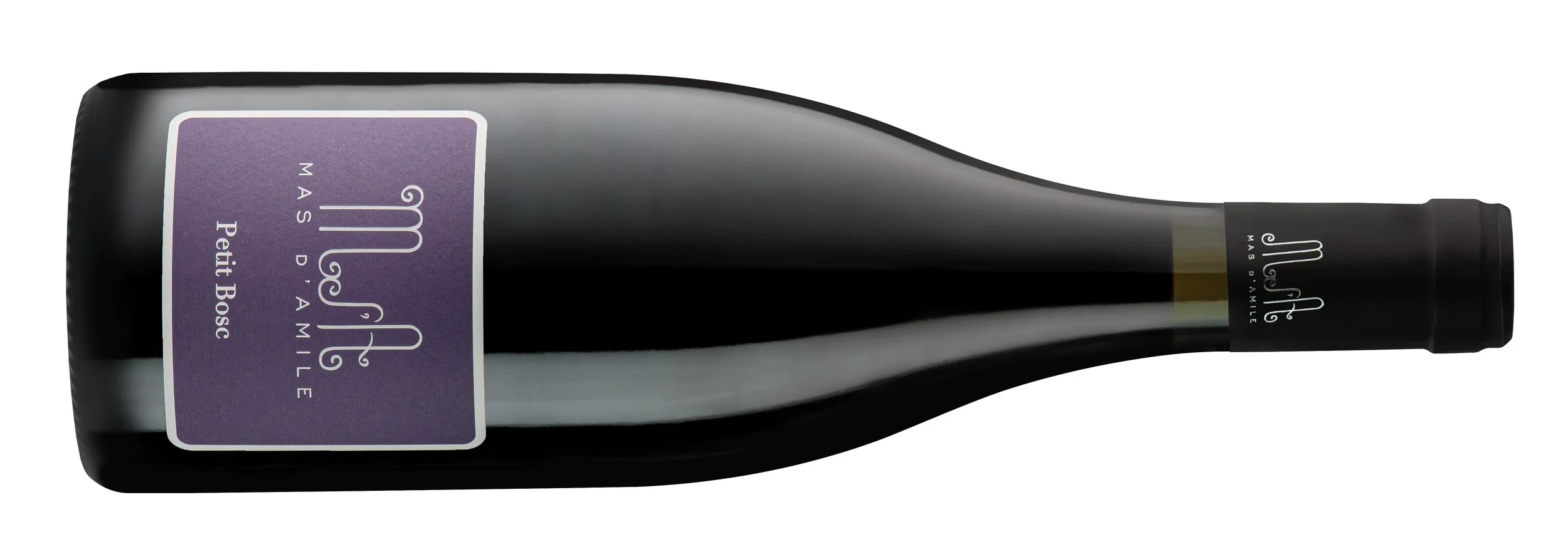
“Utterly out-of-the-ballpark bedazzle-delicious wine!”, Tamlyn Currin for JancisRobinson.com, 17 points
Enjoying a bottle of this blend of Grenache, Syrah and Carignan is like going to see one of your favourite bands play an acoustic set at an intimate venue. Stripped back to the bare essentials with a set list of classic grapes, no special effects (oak), no auto-tuning (chemical additions), just a showcase of raw talent in its most exposed yet enjoyable form.
There’s an array of sweet, dark cherries, blackberries and juicy red plums on the nose, while the palate is oh-so supple and generous, packed with sweet dark fruit and a hint of wild herbs that remind you this is very much a child of the Languedoc. There's enough freshness to keep everything lively, while the tannins are soft and polished, giving the wine a smooth, easy-going feel. Rich without being heavy, fruity without being simple, it’s deliciously honest southern French red that delivers warmth, character and effortless drinkability in equal measure. Organic (certified). 13.5% alc. Drink now - 2030.
Press review:
Tamlyn Currin for JancisRobinson.com: “ Grenache, Syrah, Carignan from vines aged 30 to 50 years old. A very small vineyard of 0.2 ha, yields around 35 hl/ha. Hand-picked, some whole-bunch, spontaneous fermentation. I put the glass to my nose and said, ‘Yum!’ Not the most articulate tasting note in the world but yum is the sum of this utterly out-of-the-ballpark bedazzle-delicious wine! It has the playful sweetness of blackcurrant wine gums, the serious black-rock gleaming minerality of obsidian, the herbal spice balm of cough linctus, and the pop and pumping joy of blueberries and cassis. The tannins feel as if they’ve pitched up to the party already stoned, so soporific, hypnotic and soothing they are. I hate the weight of the bottle (cross-face emoji on its way to Mas d’Amile) but I love the wine. ” 17 points
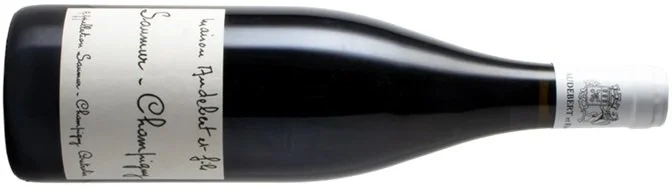
There’s something pleasingly old-fashioned about this Cabernet Franc, the kind of wine that my dad enjoys, with lively acidity and youthful tannins, perfect for lunch with some duck rillette and jambon de pays. It hasn’t received any reviews as far as we can tell, but I suspect The Wine Advocate would give it 88 points, recognising the quality, but put off by the northern European acidity and the crunchy fruit. It’s full of cassis, blueberry, juniper and wet hedgerow notes; a classic French wine without make-up; a Gallic shrug in vinous form. 13% alc. Drink now-2036.

You only have to look at the deep, rich colour to know that old vines were involved here, yet despite the inky hue, it’s a wine with remarkable lift and perfume. The grape variety is Côt - the local name for Malbec - and the 50 year-old vines have enriched the wine with boysenberry and cassis flavours, which, I admit, might just be implied by the visual impression, but there are also grace notes of apricot and lychee, not remotely suggested by the wine’s colour, proving that I am not completely suggestible! 13% alc. Drink now-2040.

“Absolutely wonderful…This is pretty special and very good value!” - Tamlyn Currin for JancisRobinson, 17.5 points
A classic Minervois red blend of Grenache (70%), Mourvèdre (20%) and Cinsault (10%) aged in foudres (large oak casks) for 12 months. It pours the colour of black cherry juice and looks so glossy and healthy that you can almost taste it with your eyes. There’s also a suggestion, possibly an auto-suggestion due to the colour, of black cherry on the nose, laced with violets, white pepper, orange peel and a cool graphite tone that brings freshness to the palate, which is as silky as a silkworm’s kimono. The tannins are so soft and juicy, but they’re not pushovers, they stand their ground with food and give the wine enough backbone to allow it to age for several more years, so I would suggest drinking it from now until 2028, drinking up by 2030. There’s real polish to the fruit, which is sourced from the domaine’s biodynamically-farmed vineyards, and (setting aside the debate as to whether it’s the result of correlation or causation) the wine has a real sense of dynamic energy to it, which I often find lacking in southern French reds, which can feel sullen and sluggish. Here, the fruit is vibrant and alive, bringing a freshness and a moreishness to the palate. 14% alc. Drink now-2030.
Organic/biodynamic farming (non-certified)
Press review:
JancisRobinson.com: “Absolutely wonderful! Peppery, fragrant, fresh – rain-wet gravel. Firm, honest and really exciting fruit. Chewy tannins but not in a tiring way. Liquorice root, caraway, Saskatoon, chocolate mint. So fragrant and lifted from start to finish. Long and seriously exciting! There is so much energy in this wine that I can feel the hair on my arms lifting. This is pretty special! And VGV. (TC). Drink now-2028.” 17.5 points
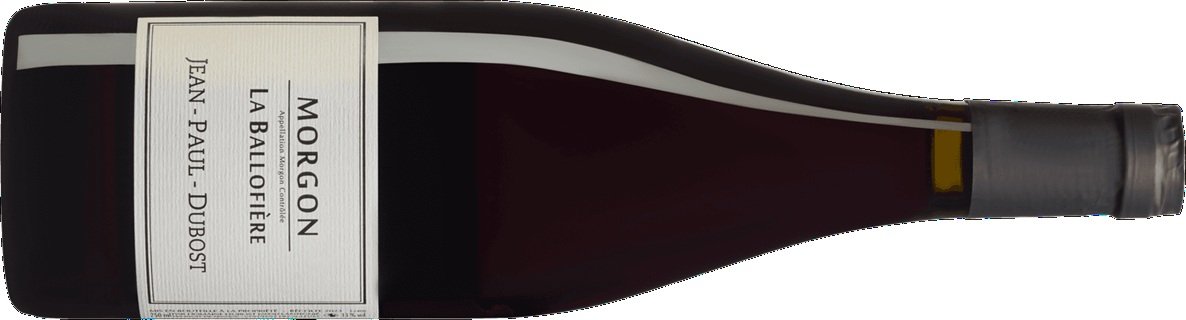
“I had forgotten just how damn good Dubost's La Ballofière is. It's just drop-dead gorgeous.” - Tamlyn Currin for JancisRobinson.com
There’s a magical moment when serious Beaujolais pupates and transforms from chrysalis into butterfly, but like butterflies, it can vary depending on the type of Beaujolais or do I mean butterfly, I’m lost within my own analogy. When young, most ‘Cru’ Beaujolais (i.e. the serious ones, not the fruit juice they release on the third Thursday in November) taste pretty similar, dark and inky and redolent of black cherries and violets, but when the moment comes for it to evolve, it spreads its wings and reveals all the colours it has been concealing.
The Ballofière vineyard sits on an outcrop of granite high up within the Morgon appellation and the warm 2022 vintage has yielded an absolute beauty. It pours a very dark colour, rich in aroma and flavour, deep and mysterious, with purple flowers and black cherries interleafed with vanilla and charcoal dust. A gothic Morgon, purple-draped and heavy on the eyeliner. It is a sleek, intense and structured celebration of Gamay with a gorgeous interplay of fruit complimented by a firm sense of minerality. Burgundy lovers might note a familiar character, a certain musicality in the balance of muscle and refinement. The tannins have a little bit of grip, enough to stand up to red meat, but are drenched in fruit and will soften further with age. In fact, although it’s delicious, it’s only just stepping onto the dancefloor now. The vines here have an average age of 70 years and 30% of the wine was aged in barrel. 13% alc. Drink now-2036.
Organic. Biodynamic.
Press reviews:
JancisRobinson.com (Tamlyn Currin): “I had forgotten just how damn good Dubost's La Ballofière is. It has the kohl-smudge smoky seduction and towering-black-rock power of Morgon. But it also has something generous and gentle and soulful. A deep pool of dark-red and midnight-blue fruit at its core – so deep and still that when you reach it, it's like skimming a pebble across its surface and then hearing the infinite silence as the stone sinks through the sweet, sultry depths of the fruit. Stunningly beautiful tannins with the texture of damask rose petals and gossamer and finest-grade sandpaper. Peony and purple-satin flowers on the finish. It's just drop-dead gorgeous. GV. Drink now-2033.” 17.5 points
Customer Comments:
“That Morgon is the dog’s bollocks. Rich but fresh with amazing complexion of flavours and then that streak of wild side which gives it a fourth dimension. Tempted to get more!” - Mr. W. L.
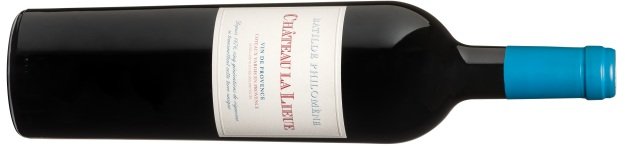
A richly upholstered blend of Syrah, Cabernet Sauvignon, Grenache, and Carignan, with intense aromas of cassis, kola, vanilla and chocolate. 14% alc. Aged for about one year in French oak (one third new). Organic certified. Drink now-2032

“This is a hedonistic and decadent Bordeaux Malbec that could challenge a few Mendoza wines in terms of density” - The Wine Advocate
I love Malbec! Or at least I think I do. I’ve definitely liked the ones I’ve liked and I have paid more attention to those than the ones I haven’t liked, which I tend to forget about. Fans of ‘confirmation bias’ will be keenly aware of the tendency here. We ratify our beliefs by noticing the occurrences where those beliefs are upheld, while paying less attention to the times when they aren’t. So, now that I think about it, I’m not sure that I do like Malbec, because the supporting data isn’t great. I do fondly remember a bottle shared with friends of the Achaval-Ferrer Malbec 2014, but I’ve worked my way through every Malbec at my local Argentine steakhouse and they’ve all been pretty lousy. So, is Malbec the Radiohead of wines? You think you like Radiohead, you want to be a groovy Radiohead-liker, you even learned the chords to Fake Plastic Trees, but then you play a whole album and you realise, oh no, you don’t really like Radiohead.
The fact remains, however, that I still want to like Radiohead and I still want to like Malbec. So, imagine my delight when I poured this inky Malbec into my glass and it tasted like I was hearing Karma Police for the first time. There was none of the discordant brashness of a young Malbec, as this is from the exceptional 2016 vintage in Bordeaux ("the best Bordeaux vintage I will probably ever taste" - Jancis Robinson MW; “an incredible vintage” - The Wine Advocate), so it has had 10 years to mellow and integrate, becoming something compellingly serious now. If you enjoy a full-bodied red with sleek, blackcurranty acidity to give it lustre and sheen, then this belongs in your wine rack.
It’s bursting with opulent cassis and sweet black cherries, combining the sort of heady ripeness you might find in an Argentine Malbec, with the sleek, cool, upright quality that you can expect from Bordeaux. It is sourced from a tiny plot that barely covers 2 hectares and was aged for 5 months in new French and American oak barrels. Drink now-2028
Press reviews:
The Wine Advocate: “The 2016 La Viminière from Fleur Haut Gaussens is a pure Malbec. Opulent and generous on the nose, bilberry jam and blueberry scents storm from the glass as if their life depended upon it. The palate is medium-bodied with a core of sweet black plum laced with blueberry and honey, the acidity keeping everything balanced. This is a hedonistic and decadent Bordeaux Malbec that could challenge a few Mendoza wines in terms of density. Give this a year in bottle and you will have a fine, powerful Malbec.”
Jancis Robinson MW (previous vintage) “It could easily be mistaken for an Argentine. But it does smell like Bordeaux, even if the colour is almost Mendoza! Very rich and flattering. Velvety texture and perfect for those who like to be enveloped by their wine. Probably not a long-distance runner but massively delivers pleasure.”
Customer Comments:
“Loved it!” - Mr. D.A.
“The Malbec is terrific.” - Mr S.T.

“The best Sortilège vintage I've tasted. Very Good Value.” - Tamlyn Currin for JancisRobinson.com
The character of the region flows through every pore of this rich-yet-juicy (very) old-vine red, which manages to be both deep and bright, graceful and powerful, showing a delectable array of flavours, including red and black cherry, garrigue herbs, a little smoked meat and pure blackcurrant with tiny inflections of red and purple flowers. It’s complex, supple, approachable and full of local character with a refined mineral (slightly chalky) texture and lovely freshness and acidity. Traditional vinification, total de-stemming, crushing and pumping-over. 18 months in old oak barrels. 14% alc. Organic & biodynamic. Drink now-2030.
Press review:
JancisRobinson.com: “Quite shy on day one, after a day and a half of being open, this wine is soaring out the glass. Rose petals and dark-red plums, it has a tenor tremolo that is both exquisitely sweet and sends tiny goosebumps down my spine. There is a tenderness to this vintage of Sortilège that I've not seen before, and the tannins bend and curve and glow, as if it has a heart of cello tonewood. The fruit is soft and deep, there is a hush of woodsy spice (like when you walk over ancient forest carpets of pine needles and mushrooms in the early morning). The finish is a cashmere caress. I think the best Sortilège vintage I've tasted. VGV (TC). Drink now-2032.” 17.5 points
Decanter (previous vintage): “Made from Syrah, Grenache and 110-year-old Carignan vines, this is smooth and supple, ripe and juicy with bright cherry and blackcurrant fruit. It's elegant and powerful with garrigue elements as well as a refined mineral edge that gives texture and adds interest. A lively acidity on the mid-palates gives real freshness and there's a drive all the way through to a long finish. A remarkable and complex wine that is good to drink now or age. A great signature example of St Chinian.” 93 points

Funny old world isn’t in it? It is a badge of honour for an artisan winemaker to describe their wine as ‘hand-crafted’, but it’s also a badge of honour for an artisan winemaker to describe their winemaking style as ‘hands-off’. So, it presents me with a bit of a ‘Schrodinger’s Cat’ dilemma, because this wine is simultaneously both ‘hand-crafted’ and ‘hands-off’. Domaine Guillot-Gonin oversee every tiny detail in the vineyard and the winery, the classic handmade approach, but they also take great pride in stepping back from the process and allowing the character of the vintage, the whims of nature and the unique expression of each vineyard’s terroir to shine through, unimpeded by human intervention. A philosophical cleft stick, if ever I saw one.
You’re probably wishing I would take a step back from this cod philosophy, as it’s the liquid in the glass that counts, so let’s press on. This is a really beautiful Fleurie, one of the most picturesque appellations in Beaujolais, with its folds of rolling hills, like a rumpled sheet, that allow for myriad pockets of perfectly-exposed vineyards. The wine is rich in flavours of bing cherry, blood orange and meadow flowers, but there’s also a stylish earthy undertone that brings an elemental quality to the wine and stops it being a fruity frivolity. Yes, it’s light and pretty, as a Fleurie should be, but has enough weight and complexity to please fans of both ‘hands-on’ and ‘hands-off’ Beaujolais. Or both. 13% alc. Drink now-2029. Sustainable farming. Unlike most other farming.

NEWS JUST IN! The latest release (2023) has just received a ‘Platinum Award’ and 97 points from Decanter!
A great expression of Syrah from the Languedoc-Roussillon, which is only made in the best vintages. The colour of dragon’s blood, it beckons you into its inky core with sweet and succulent aromas of dark-skinned forest-fruits, pummeled blackcurrants, lilac and that lovely peppery top note that you find in northern Rhone Syrah, but once you stray inside, you lose your bearings amid the sheer intensity of its dark, swirling depths and vaulted gothic arches. Approachable now, thanks to the way the fruit has saturated the tannins, but it has decades on its side. 14.5% alc. 18 months in French oak barrels. Unfined, unfiltered and with a minimal use of sulphites. Only 216 cases produced. Drink now-2035.
Press review:
Le Guide Hachette des Vins: “A strict selection of Syrah, complex vinification, partially in whole clusters, with only indigenous yeasts, then a long aging of 18 months in barrel: the result is commensurate with the efforts. Very ripe red fruits, chocolate, liquorice, all refreshed with garrigue and menthol: the nose is magnificent. Round attack, smooth texture, firm but silky tannins, discreet aging which nuances the fruit with sweet spices, remarkable length: the palate drives the point home. It's fine, long, perfectly harmonious and very Languedocian.” Awarded a Coup de Cœur
Customer comments:
“I just wanted to let you know I tried a bottle of L’Etendoir des Fees last night and it was just as good as I remember!” - Mr C.B.
“I felt compelled to let you know that this was absolutely knockout. Seriously, seriously good.” - Mr A.W.
“Really very good.” - Mr N.M.
“This is very yummy.“ - Mr W.B.
“Stunning” - Mr C.M.
”The Syrah is absolutely delicious, excellent value for money!” - Mr. S. W.
“Great wine.” - Mr E.W.
“Wonderful”- Mr C.W.
“We drank the first bottle of the case tonight. I have straight away ordered another case.” - Mr. T.H.
”I feel compelled to let you know that I opened one of these at the weekend and from the first sip to the last Ihave to regard it as one of the most enjoyable wines I can remember having. I won’t embarrass myself by trying to describe it other than to say it was simply sensational. What a find.” - Mr. N.H.
”We have tried L’Etendoir Des Fees, delicious... just great, thanks for recommending.” - Mr. P.H.
“It's absolutely ridiculous value. Really lovely.” - Mr. H.A.
”it was beautiful!” - Mr. D.L.
”That’s a gorgeous Syrah” - Mr. F.A.
”This wine is quite delicious and special. Thank you for introducing it to me!” - Mr. P.J.

Drinking this intensely beautiful Crozes-Hermitage reminded me that wine is made from grapes. Quite a “Eureka!” moment, I’m sure you would agree, but in the daily ebb and flow of the wine trade, you tend to forget that wine is made from something that has a primary purpose over and above that of being fermented for the pleasure of human beings. In nature, fruit is a lure. It’s made to attract birds and insects for the vital business of pollination. So, it needs to look, smell and taste good. Birds don’t read reviews or choose grapes with high scores, they don’t do vertical tastings or keep cellar notes, they just want to eat tasty, ripe fruit and when I tried this wine, made from the Syrah grape, all of the extraneous noise that surrounds wine just fell away and I imagined how delicious the grapes on the vine must have been to produce such a heaven-scented, fabulously delicious wine, redolent of violets, perfumed blueberries, peonies and deeper notes of red-fleshed plums and orange rind on the silky and sweetly succulent palate. 12.5% alc. 100% Syrah. 70% whole bunch. Drink now-2030. Organic
Press review:
JancisRobinson.com (previous vintage): “Beautifully fragrant nose – black pepper, sappy green-stem aromas, a bit of smoked meat and wonderfully pure plum fruit. Finishes with a charred-meat character and a gradual, perfumed fade. Very convincing.“ 17.5 points
Vinous (previous vintage): “Brilliant violet colour. Smoke-accented aromas of cherry, blackberry, violet and olive show very good freshness and are joined by a spicy nuance that builds in the glass. Silky in texture and sharply focused, offering spice-laced red and blue fruit flavours and a deeper liquorice note. The peppery quality comes back on the long, clinging finish that’s shaped by discreet, even tannins.” 92 points
The Wine Advocate (previous vintage): “Loads of black cherry fruit are nicely balanced by savory hints of licorice, espresso and black olives. Enjoy it over the next few years for its youthful exuberance—it's an ideal bistro-styled red.” 90 points
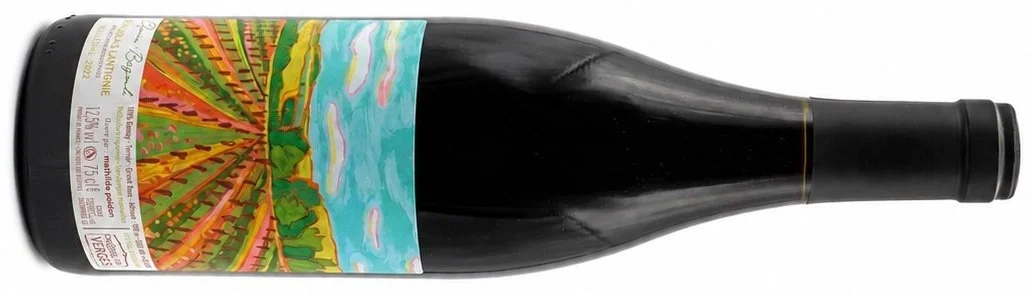
Gamay has spent years trying to convince people it's more than just frippery and Chateau des Vergers 'Aux Saules' 2022 is Exhibit A for the defence. While many Gamays are all about youthful exuberance, this is a wine with both charm and substance—a Beaujolais that has graduated from dancing on tables to hosting the dinner.
Now running her family’s 7-hectare estate near Morgon’s famed “Côte du Py,” Cosima Bassouls is at the forefront of Beaujolais’ new generation. The nose is wonderfully expressive, bursting with wild cherries, crushed raspberries and juicy redcurrants, but there's something deeper lurking beneath the fruit. Notes of violets, graphite, forest floor and a gentle peppery spice add layers of intrigue, while a distinctly stony minerality reminds you that these vines are rooted in the granitic soils of Lantignié. The palate is beautifully poised. Bright and energetic, yet with a surprising depth and seriousness, it combines Gamay's trademark freshness with the texture and persistence more commonly associated with Pinot Noir. Silky tannins glide across the tongue, carrying flavours of red berries, sour cherry and spice through to a long, savoury finish. This is Gamay wearing a tailored jacket rather than a Hawaiian shirt: still charming, still approachable, but with a quiet confidence that makes you sit up and pay attention. Organic (certified). 12.5% alc. Drink now - 2030.
Press Reviews:
Tamlyn Currin for JancisRobinson.com: “Nippy, perfumed red fruit that makes me think of hibiscus tea, sour plums (Chinese li hing mui) and hawthorn berries. Energetic tannins that scramble nimbly up and down the fruit as if it was a super-fun climbing wall, there to play with. Pellucid purity at its core. And then a delicious peppery cloud of five-spice on the finish, like a vinous fist pump. Bassouls really is a winemaker to watch. Drink now-2030.” 17 points
James Suckling: “This is a wild and delicious red with fragrant notes of strawberries, red plums, cola, chocolate, oranges and flowers. It’s medium-bodied, silky and supple, with a seamless and fresh finish. From organically grown grapes. Drink now or hold.” 92 points

“This is simply gorgeous.” - JancisRobinson.com, 17.5 points
This stunning Malbec from Cahors in South West France is a wine that has needed every minute of the time it has spent maturing, but all patience has been rewarded, as it's now in seriously fine shape. Rich, smooth, sweetly-ripe, plush, inky, sexy and serious. Those aren't the adjectives I usually write after tasting a Cahors. Dark, brooding, tannic, muscular and grippy tend to be the ones I reach for, so it was a joy to taste such an uplifting example that marries the bass grunt of Malbec (known locally as 'Cot') with fabulous grace notes. There had to be a reason.
Speaking to the owner, Philippe Lejeune, it became clear that 3 factors were involved. Firstly, the vineyards sit at a higher altitude than their neighbours and the diurnal temperature flux can be as much as 20 degrees, which contributes enormously to aromatic complexity. Secondly, the soil in this part of Cahors is rich in limestone, which gives a sense of 'minerality' sometimes absent in the wines sourced from vineyards based on clay. Thirdly, the winemaker eschews a heavy extraction and keeps the temperature relatively low during fermentation in order to avoid the 'cooked' or 'stewed' flavours that dog so many reds from this region, known famously as the 'black wines of Cahors' (and note the alcohol level of 13% abv, which is well below the average for wine from this region).
The result is a wine that would knock the spots off any red Bordeaux at this price. There's an abundance of black fruits, as you would expect, but complicated by notes of turned soil, tobacco leaf and wet clay, not wholly dissimilar to a top-flight Saint Emilion. The sweet-sour balance is perfectly achieved, making it mouth-wateringly succulent, and the wine just oozes finesse in its long, glossy, cassis-laden finish. Highly recommended. 13% alc. Organic & biodynamic (certified). Drink now-2035.
Press review:
JancisRobinson.com: “This is simply gorgeous. It's silky and shining with energy, with deep-core red fruit, with that little special je ne sais quoi that some wines just have and you cannot put your finger on it. It's one of those wines that you can say, 'it tastes of cherries and cinnamon and girolles and camp-fire embers', but that doesn't capture this wine. It's all those things but more than that: it's a wine that has found its pole star. It pulses with focus, mission, purity of fruit. The tannins are endlessly long and endlessly elegant. Every bit of this wine comes together in an orchestra of voices, everything makes sense. (TC). Drink now-2035.” 17.5 points
The Wine Enthusiast (Roger Voss): “A bold juicy wine, with beautifully intense fruits layered over fruit that is almost mature. There is a spicy, smoky character to the that has been softened by wood aging. Organic and biodynamic.” 92 points
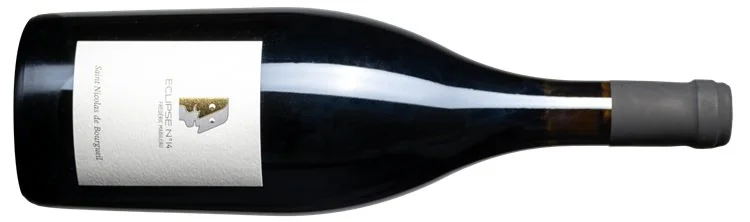
A fabulous Cabernet Franc from old vines planted in 1963. It has a rich, opulent nose of plush cassis, black cherry, sandalwood, chocolate and kola nut, the kind of aromas that turn you into a cartoon dog picking up the scent of sizzling sausages on the breeze, which draws you inexorably towards the source. It’s a wine with amazing depth as well as lift, so it plays up and down the flavour scales, but it ultimately plays a little more with the left hand than the right, a hedonistic red, the last wine of the night, the lavish epilogue, to go with cheese, dark chocolate and tall stories. 13% alc. Drink now-2034. Certified organic and biodynamic.
Decanter (previous vintage): “A very enticing nose, influenced by the oak, but there are notes of dark chocolate and mint, along with dried red cherry fruit. It all hangs together rather well – a very ripe style with rich, warm, supple fruit. Great length too.” 93 points

“A superb Côtes-du-Rhône… this is a gorgeous wine.” - The Wine Advocate
Have you ever noticed that there’s a hole on the Chateauneuf-du-Pape map?
In the late 19th and early 20th Century, the French wine industry was in disarray. The vineyards had been decimated by the phylloxera louse, a bug that destroyed over 6 million acres of vines, and winemakers were trying to rebuild their livelihoods… not all of them scrupulously!
Chateauneuf-du-Pape, in particular, was rife with fraud and the adulteration of its wines, which led to Pierre le Roy of Chateau Fortia asking for cooperation from other local growers for a set of rules that would govern such things as minimum alcohol levels, limits on yields and the types of grapes that could be grown in which area. Little did he know it at the time, but this was the beginning of the Appellation d’Origine Controlée system, which we know today.
An essential component of this new code of conduct would be a map detailing the vineyards whose quality merited inclusion in the Chateauneuf-du-Pape appellation. The task began and in October 1936, a group of officials arrived at Clos du Caillou to take measurements for mapping out the estate for inclusion in the new map. However, the irascible owner didn’t appreciate their presence one bit and shooed them off his property with a shotgun. Disinclined to return, the cartographer had no option but to leave a hole in the map where the Clos du Caillou vineyards should be and it is still there to this day!
The domaine has expanded since then, to include ‘official’ Chateauneuf-du-Pape vineyards, but any wine made from grapes within the original Clos du Caillou estate, such as this one, their ‘La Reserve’ 2022, can only be classified as a ‘Cotes du Rhone’ despite being a Chateauneuf-du-Pape in every aspect other than its name.
We tasted it recently at a Rhone 2022 ‘en primeur’ tasting and it stood out a mile amidst all of the Cotes du Rhones, as it rightly should, but it also outshone a good many of the Chateauneuf-du-Papes in the room, despite being a fraction of the price. In a great vintage such as 2022, where Clos du Caillou’s ‘real’ Chateauneuf-du-Pape ‘La Reserve’ hit the magical 100 points, it brings the value of this wine into really sharp focus. It’s extremely limited, as it is very much an insider’s wine and they didn’t produce it in 2021, due to frost, so the scales of supply and demand are even more adversely weighted than usual! We only have a few cases available. Drink now-2036.
Press reviews:
The Wine Advocate (bottled wine): “Composed of 60% Grenache Noir and 40% Mourvèdre, planted on sandy soils and co-fermented in concrete tanks, the 2022 Cotes du Rhone La Réserve is a superb Côtes-du-Rhône evoking aromas of violet, dark cherries, spices and licorice. Medium to full-bodied, precise and pure, it's layered and delicate with an ethereal finish enhanced by vertical energy. Matured for 14 months in large barrels or demi-muids, this is a gorgeous wine. Drink now-2039.” 92 points
The Wine Advocate (barrel sample): “There was no 2021 made, but the 2022 Cotes du Rhone ‘La Reserve’, tasted as a blend drawn from the seven demi-muids (one new), is a terrific wine. A co-fermented blend of 70% Grenache and 30% Mourvèdre, it delivers lush black cherries, refreshing, complex garrigue notes and just a hint of cedar. Full-bodied and rich, it's plush and velvety in feel, with a lingering finish.” (92-94) points
Jeb Dunnuck: “While this cuvée wasn't made in 2021 due to the frosts, the 2022 Cotes Du Rhone La Reserve should make up for it – it’s a brilliant Cotes Du Rhone that readers will love. Bing cherries, red plums, blackberries, black liquorice, and sappy flower notes are just some of its nuances, and it hits the palate with full-bodied richness, a deep, layered mouthfeel, ripe tannins, and a great finish. It's going to be one of the finest Cotes Du Rhone out there.” (93-95) points

Such a beautiful, pale grenadine colour, you can almost taste it. It’s a daringly light Bourgogne Rouge (Pinot Noir), as delicate as a watercolour brushstroke of rosehip, wild strawberry and blood orange. It’s so lithe, so gentle, so pretty, I would love to have a glass of this in a wine bar, on my own, swirling occasionally, pretending to be entranced by the lambent liquid, but actually eavesdropping on my neighbours. 13% alc. Declassified village wine. Organic & biodynamically farmed. Drink now-2028.

“This winery must be counted among the handful of great producers of Gigondas.” - Josh Raynolds, Vinous
A Gigondas tasting is only for the brave and if there’s one thing we can all agree on, it’s that wine merchants are as tough as nails. Lucia survived on the mean streets of Putney and I’m straight outta Chiswick. So, when it comes to tasting full-bodied, tannic Gigondas, who ya gonna call?
Normally, when we taste Gigondas, the wine gets a quick swirl in the mouth (before it can do too much damage to our tooth enamel), and is then expelled into the nearest spittoon, but something most unusual happened when we tasted this Gigondas. Reader, we swallowed it. It was glorious! It had an exotic perfume and a weightlessness on the palate that was more aligned to a Pinot Noir than a Grenache/Mourvedre/Syrah blend, which could be attributed to the winemaker, Benjamin Gras, having done a stage at Domaine de la Romanée-Conti!
The wine is mellow and supple and so very easy to drink, yet still a faithful incarnation of Gigondas, with flavours of orange rind, sweet cherry, leather, rosehip and sweet spices from the bazaar. There is so much finesse allied to a layered complexity, that I am tempted to compare it to Chateau Rayas, as it breaks the Gigondas mould in the same way that Rayas did with Chateauneuf-du-Pape. Absolutely delicious and within the context of the best southern Rhone reds, incredible value. 14.5% alc. 18 months in Stockinger barrels and clay amphora. Drink now-2030.
Biodynamically-farmed. Organic.
Press review:
Vinous: "Brilliant ruby. Intensely perfumed, mineral- and spice-driven aromas of ripe red and blue fruit and potpourri show sharp definition; suggestions of woodsmoke and incense build in the glass. Shows outstanding depth as well as energy on the palate, offering powerful raspberry, kirsch and floral pastille flavours and a strong note of exotic spices. It finishes with an alluring sweetness and harmonious tannins that lend shape to a wonderfully long, spice- and floral-accented finish." (95-96) points

A seductively aromatic and soulful Pinot Noir from the Savoie region. Winemaker, Damien Bastian Goddard, who worked with Jean-Francois Ganevat in the Jura, before setting up on his own, has brought that lightness of touch to this delicate, perfumed Pinot Noir, which is reminiscent of Ganevat’s ‘Plein Sud’. Its aromas feel ‘intrinsic’, like someone whose skin exudes an exotic scent, as opposed to someone who has sprayed themselves with eau de toilette. It’s very delicate and nuanced, with aromas and flavours of rosehip, red petals, sweet cherry, cinnamon, orange and sandalwood. If you like the lighter style of red Burgundy, such as Chambolle-Musigny, you are in for a (less expensive) treat here! 11.5% alc. Drink now-2030.

"All you could want in a classically-styled yet contemporary Chateauneuf." - Decanter, 94 points
It’s so lovely to have a Chateauneuf-du-Pape with nearly a decade of bottle age under its belt, meaning it has settled down from the brashness of youth into something altogether more composed and mellow. It is still full-bodied, as you would expect from a great vintage in teh Rhone, but time has rendered it silky and almost weightless, delivering wonderful, complex notes of cherries, raspberries and an array of dried spices and herbs. It is a blend of 62% Grenache, 18% Mourvèdre, 12% Syrah, 6% Cinsault and 2% other varieties. 15% alc. Drink now-2030.
Decanter: "Potpourri and dried Provençale herbs on the nose. In the mouth it is rounded, immediately juicy and intense, but piercingly fresh. A pâté de fruit, red and black fruit character on the palate is accompanied by very fine but ample tannins. It's intense but lifted, structured, complete and harmonious. Very long and well balanced. All you could want in a classically-styled yet contemporary Châteauneuf. Drink now-2028." 94 points
Vinous: "Shimmering ruby. Powerful raspberry, boysenberry and floral scents show excellent clarity and take on subtle smoke and allspice nuances as the wine opens up, Juicy and penetrating on the palate, offering appealingly sweet red and blue fruit and spice cake flavours that deepen on the back half, with no loss of energy. Silky, well-knit tannins make a late appearance on a very long, seamless finish that emphatically echoes the floral and spice notes. This is an outstanding entry-level bottling. Drink now-2029." 94 points
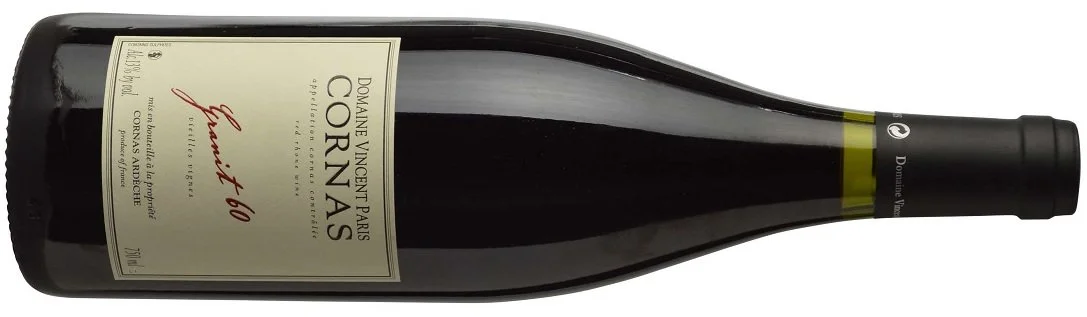
Fans of northern Rhone Syrah at its plumpest and most opulent best will not want to miss the 2020 vintage of Vincent Paris’s Cornas ‘Granit 60’. It’s delicious now, a furiously dark and dangerous adolescent bursting with youthful energy, but will age beautifully in a cool cellar for at least 15 if not 20 years.
Organic (certified)/ biodynamic farming
Press reviews:
Decanter: “There are herbal depths here, but they're currently filled by the intense, powerful berry fruits. Medium- to full-bodied, this has good concentration and intensity of fruit, coupled with powerful but very ripe tannin. There's good energy here, the wine is upright and not as soft and easy-going as some other Cornas this year. Great vitality and salinity, this is well-balanced, fresh and classically Cornas. A satisfying and energising wine with a long finish. 50-year-old vines on very steep slopes, 70% destemmed. No pigeage, natural yeasts, then spending 16 months in two to eight-year-old barrels. Drink now-2035.” 95 points
JancisRobinson.com: “Subtle. An understated yet concentrated wine with lovely sweetness of fruit, fine tannic structure, integrated oak. All the components here are in fine balance. Dark olives, sweetness of berry fruit. Intriguing mineral and floral finish. Drink now-2032.” 16.5+ points

“I loved it so much I bought it on the spot.” - Rebecca Gibb MW, 95 points
It’s lovely to have a Bourgueil with a bit of bottle age, because it’s a wine that needs to soften and mellow. When it’s young, it’s like a novice yoga pupil, all stiff and angular, but after 6 or 7 years, it becomes supple and pliable. Domaine du Bel Air have crafted an absolute beauty from the 2018 vintage, a pure Cabernet Franc that tastes molten and silken and very ‘grand vin’, if that makes sense. The colour is rich, but graduated from deep cherry at the core to lighter red brick at the rim, and the aromas are classic Loire Cabernet Franc in their perfumed sweetness, showing steeped cherry skins, wet hedgerow and musk, deepening on the palate to blackcurrant, pencil shavings and red flowers. 13.5% alc. Organically farmed. Drink now-2039
Press review:
Vinous (Rebecca Gibb MW): “The 2018 Grand Mont is elegant and savoury. It is dense and yet incredibly transparent and light. For those who love right bank Bordeaux, this will give you that classical reassurance of a high quality, complex red wine. It's not fruit forward, it's all dark chocolate, black cherry, almost like a roast beef dinner. The wine has gorgeous chalky tannins that coat the mouth, and there's a fragrant, log fire-like character on the long length. I loved it so much I bought it on the spot. You could enjoy it now with Sunday lunch but it has 20 years in it. Drink now-2042.” 95 points

I’m so glad I’m not you when it comes to choosing a red Burgundy without tasting it first. Would I choose a Premier Cru from a great producer in an average vintage or a Bourgogne Rouge from a great producer in a great vintage or a Village Cru from an average producer in an average vintage? And that’s before you start thinking about the age of the vines or the producer’s decision to add whole bunches that year or the percentage of new oak. And you have to do all this in the face of the price too, which could be affected by quality, rarity, reputation or the winemaker’s need for a new sundeck. Good luck!
We are occasionally in the very fortunate position to be able to taste hundreds of red Burgundies side-by-side (the wines, not Lucia and I) and it’s the quickest and most effective way to determine which wines exceed the expectations of their price tag and we found this Gevrey-Chambertin standing out like a sore poppy/tall thumb at a tasting of over one hundred red Burgundies, flanked on one side by a Charmes-Chambertin Grand Cru (£250) and a Gevrey-Chambertin Clos de Combes (£80) on the other. It was one of those moments when we both went weak at the knees, but luckily we were standing side-by-side, so we held each other up. It has all of that magical, ineffable Burgundian perfume that takes you to a mystical market somewhere where the aromas of fresh strawberries, sweet paan, oudh, gulkand, pomegranate syrup and dried orange peel fill the air and the palate makes you feel like you are tasting molten rubies. 13.5% alc. The lieu-dit 'Aux Corvées' lies close to the village, a stone’s throw away from the Grand Cru, Mazis-Chambertin, vineyard. Drink now-2036.
Customer Comments:
“This is so so good (for a more special occasion)!” - Mr. H. S.